Choosing the right vegetables you can grow on your balcony can turn even the tiniest outdoor ledge into a productive food garden. According to recent gardening industry data, balcony gardening has surged by 40% among apartment dwellers in the past few years, proving that limited square footage is no barrier to growing fresh food at home.
This guide walks you through the best edible crops for containers, backed by real-world growing data, expert recommendations, and practical techniques. Whether your balcony gets full sun or partial shade, you will find varieties perfectly matched to your conditions.
Table of Contents
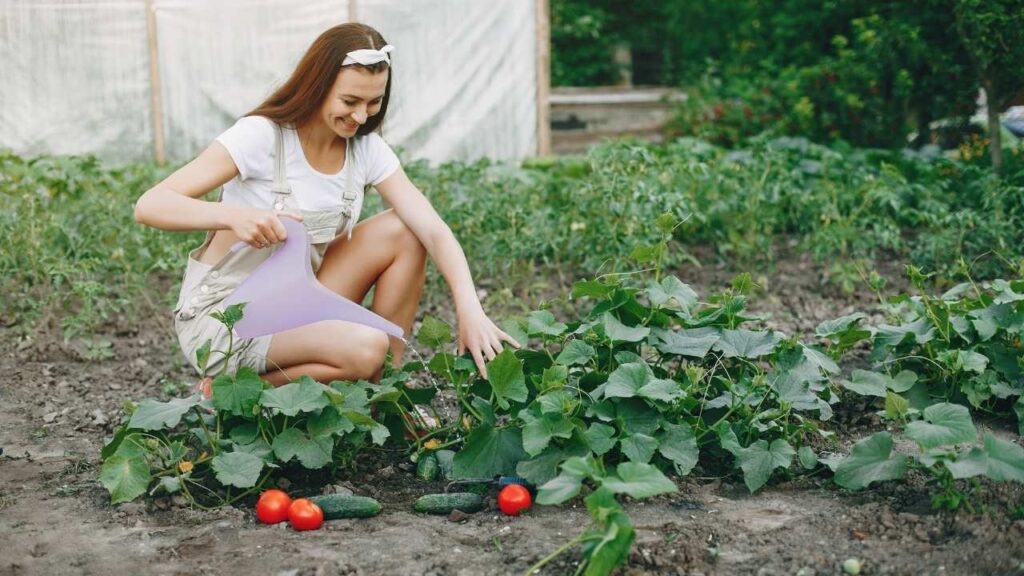
Why Apartment Dwellers Are Turning to Container Gardening
Urban populations are expanding rapidly, and access to fresh, affordable produce remains a challenge for city residents. A five-country research study published in PMC found that urban agriculture sites including container gardens used predominantly organic inputs and produced meaningful quantities of food in compact footprints.
The movement is not new. Mediterranean cultures grew herbs and greens on terraced facades for centuries. What has changed is the science behind container crop selection, soil mixes, and compact plant breeding making today’s balcony harvests far more reliable than ever before.
Understanding Your Balcony Microclimate
Before buying a single seed, spend a few days observing your space. Track how many hours of direct sunlight your balcony receives, note wind exposure patterns, and check weight limits posted in your building specifications.
Most fruiting crops need a minimum of five to six hours of direct sun. Leafy greens and herbs, however, perform well with as little as three to four hours, which makes them ideal starting points for shaded or north-facing balconies.
Choosing the Right Containers and Soil
Container size directly impacts plant health and yield. A five-gallon pot is the practical minimum for tomatoes and peppers, while leafy greens thrive in containers as shallow as six to eight inches. Always ensure drainage holes are present to prevent root rot.
Use a high-quality potting mix rather than garden soil. Potting mix is lighter, drains better, and will not compact in containers the way field soil does. Mixing in perlite or vermiculite improves aeration further, which is critical at elevated heights where pots dry out faster.
Best Leafy Greens for Balcony Containers
Leafy greens are the easiest and fastest crops to harvest in small spaces, making them the ideal starting point for any new balcony gardener.
Lettuce and Salad Mixes
Loose-leaf lettuce varieties mature in as little as 25 to 30 days from seed. Varieties like Red Sails, Buttercrunch, and Salad Bowl are particularly forgiving for beginners. You can harvest outer leaves repeatedly using the cut-and-come-again method, extending production from a single planting for weeks.
A single window box measuring 24 inches long can hold six to eight lettuce plants comfortably. That is enough for a fresh salad every few days throughout the growing season.
Spinach, Kale, and Swiss Chard
Spinach thrives in cooler weather and tolerates partial shade better than most edible crops. Plant it in early spring or autumn for best results. Baby spinach leaves can be picked within 28 days of sowing.
Kale and Swiss chard are nutritional powerhouses that keep producing for months once established. A two-gallon container is sufficient for a single kale plant, and one healthy plant can yield several harvests across an entire season. According to Savvy Gardening, kale and chard rank among the highest-yielding crops by food weight per square foot because they produce continuously rather than in a single harvest event.
Top Fruiting Crops for Small-Space Growing
Fruiting crops require more sunlight and larger containers than leafy greens, but the reward is worth the investment. A single cherry tomato plant can produce several pounds of fruit across one summer.
Cherry Tomatoes
Cherry tomatoes are the undisputed champions of container gardening. Dwarf determinate varieties like Tiny Tim, Patio Princess, and Tumbling Tom stay compact while delivering impressive yields. The book Cash From Square Foot Gardening documents approximately six pounds of cherry tomatoes per square foot over a six-month growing period.
Place your tomato container where it receives at least six hours of full sun daily. Use a small cage or stake for support, even with dwarf varieties, because the weight of ripening fruit can snap branches.
Peppers and Compact Squash
Sweet mini bell peppers and hot chili varieties adapt remarkably well to container life. They share similar growing requirements with tomatoes warm temperatures, full sun, and consistent moisture. A single pepper plant in a three-gallon pot can produce dozens of fruits across a season.
Compact bush zucchini bred specifically for containers is a more recent development in plant breeding. Varieties like Patio Star and Bush Baby deliver respectable harvests without the sprawling vines that traditionally made squash impossible for confined spaces.
Root Vegetables and Herbs That Thrive in Pots
Root crops and culinary herbs round out a well-planned balcony garden, offering variety and deeper nutritional diversity.
Radishes are among the fastest crops you can grow anywhere. They mature in just 20 to 30 days, making them perfect for filling gaps between slower-maturing plants. Carrots perform well in deeper containers (at least 12 inches), especially shorter varieties like Thumbelina, Paris Market, and Chantenay.
Basil, cilantro, mint, and parsley grow exceptionally well alongside other container crops. These herbs serve double duty they provide fresh flavoring for meals and many act as natural pest deterrents, keeping aphids and whiteflies away from neighboring plants without any chemical intervention.
Proven Benefits of Growing Food on Your Balcony
Growing edible crops in containers offers advantages that extend well beyond simple food production. Here are the most significant, research-backed benefits:
- Superior nutrition: Produce consumed within minutes of picking retains maximum vitamin and mineral content compared to store-bought vegetables that may have traveled hundreds of miles over several days.
- Reduced grocery spending: Even a modest balcony setup with leafy greens, tomatoes, and herbs can offset noticeable portions of a household produce budget across a growing season.
- Elimination of unwanted chemicals: When you control every input, you know exactly what goes into your food. Data from WiFi Talents gardening statistics shows organic home gardening reduces household pesticide use by 78%.
- Mental health improvement: Multiple studies cited by GrowDirector confirm that engaging in urban gardening reduces stress, lowers cortisol levels, and promotes a meaningful connection with nature.
- Lower carbon footprint: Homegrown food eliminates transportation emissions, refrigeration energy, and plastic packaging waste entirely from the produce supply chain.
Overcoming Common Challenges in Elevated Gardens
Balcony gardens face unique obstacles that ground-level plots rarely encounter. Knowing these challenges upfront saves time, money, and frustration.
Wind and Water Management
Wind speed increases significantly at higher elevations. Strong gusts accelerate soil drying and can physically damage delicate stems and leaves. Position taller plants against walls for natural wind protection, and consider using a lightweight windbreak screen on exposed railings.
Watering frequency is the single biggest adjustment balcony gardeners must make. Containers exposed to sun and wind can dry out in a single day during peak summer. Check soil moisture daily by inserting a finger one inch deep if it feels dry, water thoroughly until liquid drains from the bottom.
Extending the Growing Season
Succession planting is the simplest way to maintain continuous harvests. Instead of planting all your lettuce seeds at once, sow a small batch every two to three weeks. This ensures fresh leaves are always reaching maturity as older plants are harvested.
For cool-weather crops like spinach and peas, planting in early spring and again in early autumn takes advantage of two separate growing windows. Lightweight frost cloth draped over containers on chilly nights can extend your season by several weeks on either end.
Practical Tips to Maximize Your Balcony Harvest
Small adjustments in technique can dramatically increase what your limited space produces. The following strategies are used by experienced container gardeners worldwide:
- Go vertical: Install wall-mounted planters, stacking pots, or trellises to grow climbing beans, peas, and cucumbers upward instead of outward. This can effectively double your usable growing area.
- Companion plant intentionally: Pair tomatoes with basil, or lettuce with chives. Compatible plants share container space efficiently while some combinations actively deter pests.
- Feed regularly: Container soil depletes nutrients faster than garden beds. Apply a balanced liquid fertilizer every two weeks during the growing season for consistent production.
- Harvest frequently: Picking ripe produce promptly signals the plant to produce more. Leaving overripe fruit on the vine slows down new growth and reduces total yield.
- Rotate crops seasonally Replace spent warm-season crops with cool-weather varieties in autumn to keep containers productive year-round.
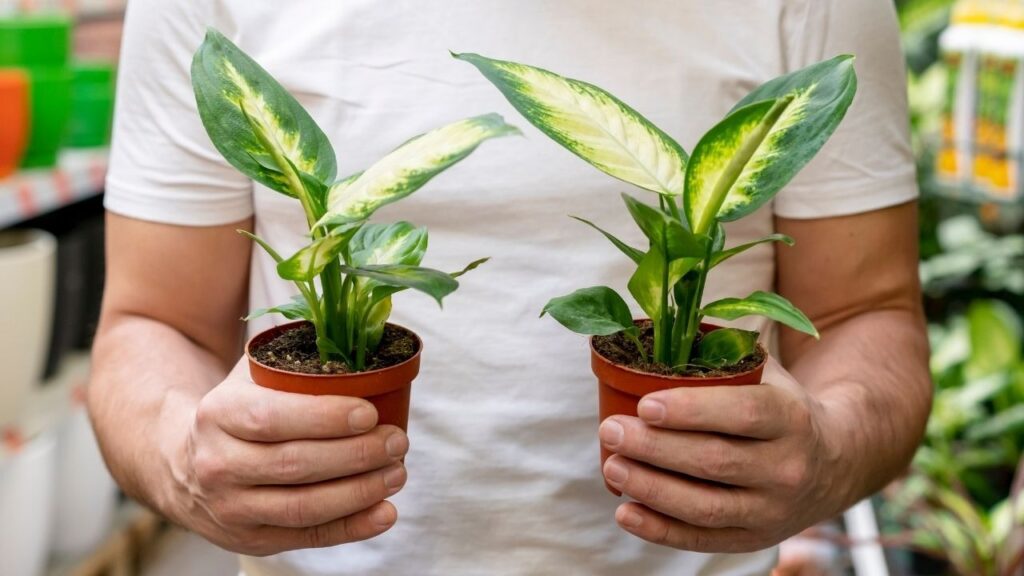
Building a Seasonal Planting Calendar
Planning what to plant and when eliminates guesswork and keeps your containers productive across the entire year.
Spring and Summer Crops
Start lettuce, spinach, and radish seeds as soon as nighttime temperatures stay above freezing. Once daytime temperatures consistently reach 18 to 20 degrees Celsius, transplant tomato and pepper seedlings into their final containers. Bush beans can be direct-sown once soil is warm.
Peak summer is the most productive window. Cherry tomatoes, peppers, zucchini, and herbs will all be in full production. Stay on top of watering and feeding during this intense growth period.
Autumn and Winter Options
As temperatures cool, transition containers to cold-hardy greens like kale, spinach, arugula, and mustard greens. These crops actually taste sweeter after a light frost. Radishes and green onions also perform well in autumn containers.
In mild climates, a simple cold frame made from a clear plastic storage bin placed over containers can keep production going through winter. Even in colder regions, microgreens grown indoors on a sunny windowsill can bridge the gap until spring.
Final Thoughts
Transforming a bare balcony into a thriving food garden is one of the most rewarding projects any apartment dweller can take on. Start small with a couple of containers of leafy greens and herbs, then expand into fruiting crops as your confidence grows.
The data is clear with 55% of U.S. households already participating in some form of gardening and container gardening popular among 52% of urban dwellers, growing food at home is no longer a niche hobby. It is a practical, cost-effective, and deeply satisfying way to eat better while making the most of every square foot available to you.
How much sunlight does a balcony garden need?
Most fruiting crops like tomatoes and peppers require five to six hours of direct sunlight daily. Leafy greens and herbs can produce well with three to four hours. Observe your balcony for a full day before choosing what to plant.
What container size works best for balcony vegetables?
A five-gallon container is ideal for tomatoes, peppers, and squash. Leafy greens grow well in shallower pots of six to eight inches. Always choose containers with drainage holes to prevent waterlogged roots.
Can I grow vegetables on a shaded balcony?
Yes. Lettuce, spinach, kale, Swiss chard, arugula, and most culinary herbs tolerate partial shade. Avoid fruiting crops like tomatoes in heavy shade, as they will produce few or no fruits without adequate sun.
How often should I water container vegetables?
During hot weather, daily watering is often necessary. Check moisture levels by pushing a finger one inch into the soil. If it feels dry, water deeply until liquid runs from the drainage holes.
Is balcony gardening expensive to start?
Not at all. A basic setup with a few five-gallon buckets, quality potting mix, and a packet of seeds costs far less than a single week of grocery store produce. Many successful balcony gardeners repurpose food-safe containers they already own.
What are the easiest crops for a complete beginner?
Lettuce, radishes, basil, and green onions are the most forgiving starting crops. They germinate quickly, tolerate minor mistakes, and produce harvestable food within 25 to 40 days of planting.