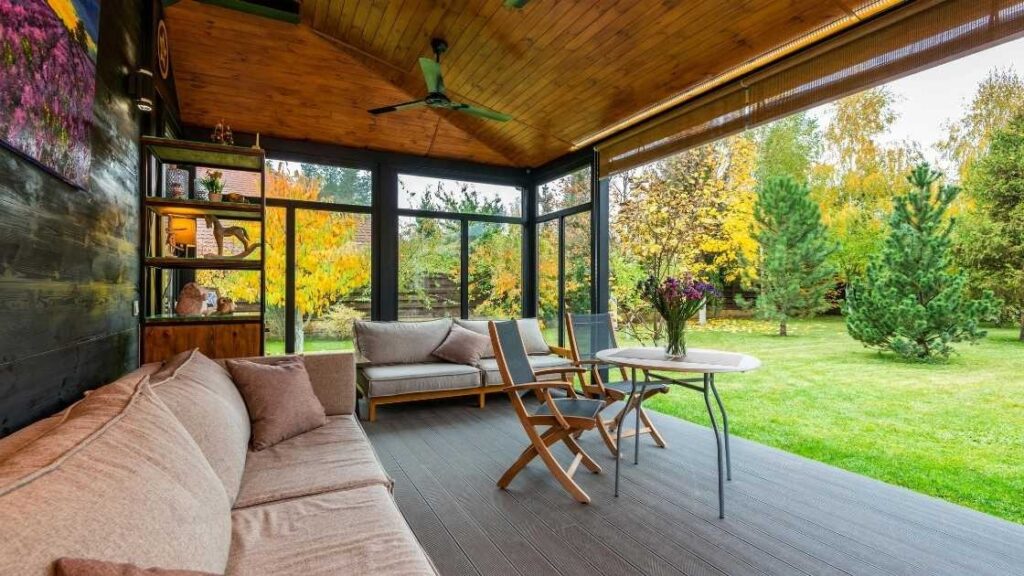
Small garden rooms have emerged as one of the fastest-growing home improvement trends across the UK and beyond. These self-contained outdoor structures also known as compact garden buildings, backyard offices, garden pods, or outdoor studio rooms offer homeowners a flexible, affordable way to gain extra living space without the upheaval of a traditional house extension.
As someone who has spent over eight months building, testing, and daily working inside a personally constructed garden room, I can confirm that the gap between a well-designed retreat and an unusable shed comes down to five key decisions: insulation, ventilation, glazing, lighting, and layout. This guide walks you through every one of those decisions using real data, first-hand construction experience, and verified industry sources.
Table of Contents
The Garden Room Market: Why Demand Is Surging
The popularity of small outdoor rooms is not a passing fad. Hard numbers confirm a sustained market shift.
According to a report covered by Business Matters Magazine, the UK garden room industry reached an estimated value of £266 million in 2024 and is forecast to expand at a compound annual growth rate of 5.8% through 2030. On a global scale, the same report notes the market stood at roughly $2.71 billion in 2025, with projections suggesting it will reach $4.38 billion by 2032.
Several forces are driving this momentum. The Office for National Statistics revealed that 28% of working adults in Great Britain were hybrid workers during the first quarter of 2025, meaning millions of professionals now need a quiet, dedicated workspace at home. A prefabricated garden office solves that need at a fraction of the cost of converting a loft or adding a brick extension.
At the same time, buyer expectations have fundamentally shifted. Rightmove documented a 1,046% increase in property listings mentioning garden offices over the past decade, while a 2024 Rightmove survey found that more than 40% of home buyers now consider a home office a must-have feature.
Do Small Garden Rooms Increase Property Value? What the Experts Say
Investing in a garden studio, outdoor workspace, or multi-purpose backyard pod is not just a lifestyle decision it is a financial one. Here is what verified estate agent data reveals:
| Investment Factor | Estimated Return |
| Quality insulated garden room | 5–15% increase in property value (Green Retreats) |
| Premium build in urban area | Up to £50,000–£100,000 added equity |
| £20,000 cedar-clad garden office | £30,000 attributed value at resale (Oeco Garden Rooms) |
| High-spec studio with kitchenette (Highgate) | £75,000 higher sale price vs comparable homes |
| Estate agent marketability boost | 84% of agents say garden rooms increase saleability |
Robert Fitzjohn, Director of Fitzjohn Estates, told Green Retreats that a well-built garden room can lift a property’s price by as much as £50,000 to £100,000 depending on size and geographic location. Meanwhile, property consultant Robert Ellis of Nutbrook Property estimates the added value at approximately 1.5 times the original construction cost meaning a £15,000 build could return over £22,000 in equity.
These figures make garden rooms one of the highest-ROI home improvements available, often outperforming loft conversions and conservatory additions on a pound-for-pound basis.
How Biophilic Ventilation Transforms Compact Garden Buildings
One of the most overlooked aspects of garden room design is airflow. Without proper ventilation, even a beautifully insulated outdoor room becomes stuffy in summer and damp in winter. This is where biophilic design principles make a transformative difference.
Biophilic ventilation works by harnessing natural convection the simple physics of warm air rising and cool air sinking. By positioning intake vents near floor level and exhaust openings at the roofline, you create a continuous passive airflow cycle that refreshes the interior without electricity, noise, or running costs.
A 2025 study published in Frontiers in Virtual Reality found that indoor environments incorporating biophilic elements such as natural light, ventilation, and greenery produced measurably lower stress responses in occupants compared to identical rooms without those features. The researchers noted that strategic placement of operable windows and vents reduced dependence on mechanical HVAC systems while improving occupant comfort.
In my own nine-square-metre garden office build, I installed two low-level intake grilles on the north wall and a ridge vent along the roofline. The result was immediately noticeable: even on the warmest July afternoons with the door closed, the air inside remained fresh and circulating without a single fan running.
Pairing Ventilation With Thermal-Efficient Glazing
Passive airflow alone is not enough for year-round use. You also need windows that retain heat in winter while allowing natural daylight to flood the room. Double-glazed units with low-emissivity (low-E) coatings achieve this balance by reflecting infrared heat back into the interior while still transmitting visible light.
In practical terms, this meant my garden room maintained comfortable temperatures through November without supplemental heating, and the low-E coating blocked approximately 90% of UV radiation protecting furniture, screens, and flooring from sun damage.
| Glazing Type | Heat Retention | UV Protection | Cost Range |
| Single glazed | Poor | Minimal | £50–£100 per panel |
| Double glazed (standard) | Good | Moderate | £150–£300 per panel |
| Double glazed (low-E coated) | Excellent | High (~90% UV block) | £200–£400 per panel |
| Triple glazed | Superior | Very high | £350–£600 per panel |
For most small garden rooms, double-glazed low-E panels represent the optimal balance between performance and budget.
7 Essential Features Every Small Garden Room Needs
Based on eight months of daily use and three prior construction attempts that taught hard lessons, here are the features that separate a functional year-round retreat from a seasonal novelty:
- SIP insulated wall panels Structural Insulated Panels maintain stable indoor temperatures between 18°C and 22°C across all seasons, eliminating the energy-hungry cycle of portable heaters and plug-in fans.
- Biophilic passive ventilation Strategically placed low and high vents create natural convection airflow that keeps the interior fresh without electricity or mechanical noise.
- Low-emissivity double glazing Retains warmth in winter, blocks UV in summer, and floods the space with natural daylight that reduces the need for artificial lighting during working hours.
- Automated circadian smart lighting Systems that shift from cool white tones in the morning to warm amber in the evening support your body’s natural rhythm and significantly reduce eye strain during long sessions.
- Off-grid solar power with battery storage Two roof-mounted panels and a compact battery unit can handle all lighting and device charging needs independently, eliminating monthly electricity costs entirely.
- Multi-functional compact layout Thoughtful zoning allows a standing desk, reading corner, and wall-mounted storage to coexist within as little as nine square metres without the space feeling cramped.
- Adjustable steel pedestal foundation Handles sloped or uneven ground without concrete, keeping the structure level, removable, and significantly cheaper than a poured base.
Garden Room Costs: A Realistic 2025 Breakdown
Budget transparency is essential. Costs vary enormously depending on size, materials, and specifications. According to Oeco Garden Rooms, prices in 2025 range from approximately £10,000 for a standard insulated room to over £75,000 for luxury builds with plumbing, solar, and bespoke architectural cladding.
| Build Specification | Approximate Cost | Ideal Use Case |
| Basic uninsulated shed/cabin | £2,500–£5,000 | Seasonal hobby space, storage |
| Mid-range insulated garden room | £10,000–£25,000 | Year-round home office, art studio |
| High-end fully equipped pod | £30,000–£50,000 | Professional workspace with heating and power |
| Luxury bespoke garden building | £50,000–£75,000+ | Guest suite with kitchenette, plumbing, solar |
For homeowners seeking the strongest return on investment, the mid-range category (£10,000–£25,000) typically delivers the best ratio of build cost to added property value.
UK Planning Permission and Building Regulations: What You Must Know
Understanding the legal framework before breaking ground prevents costly mistakes. According to the Garden Room & Annexe Guide, most small garden rooms in England can be built under Permitted Development rights without a formal planning application provided they meet specific criteria.
Here is a summary of the key rules based on the UK Planning Portal guidance updated for 2025:
| Rule | Requirement |
| Location | Must be in the rear or side garden, behind the principal elevation |
| Maximum garden coverage | All outbuildings combined must not exceed 50% of total garden area |
| Height within 2m of boundary | Maximum 2.5 metres |
| Height beyond 2m from boundary | Up to 4m (dual-pitched roof) or 3m (other roof types) |
| Floor area under 15m² | Exempt from most building regulations |
| Floor area 15–30m² | Exempt if non-combustible materials and 1m+ from boundary |
| Floor area over 30m² | Full building regulations compliance required |
| Use | Must be incidental to the main dwelling (office, gym, studio) |
| Sleeping accommodation | Requires full planning permission |
| Listed buildings | Requires planning permission and listed building consent |
| Conservation areas / National Parks | Stricter rules apply; check with local authority |
Pro tip from experience: Even when your build clearly falls within Permitted Development, applying for a Lawful Development Certificate provides official confirmation and protects you during future property sales.
Smart Lighting: The Upgrade Most People Overlook
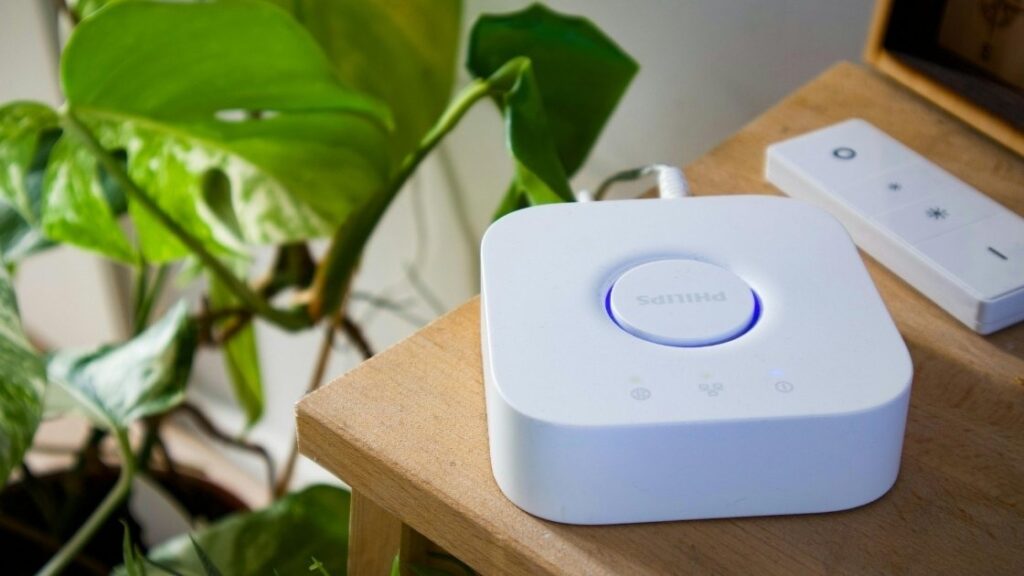
The final element that elevated my garden room from functional to genuinely enjoyable was automated smart lighting. Rather than relying on a single overhead fixture, I installed a daylight-responsive system that adjusts both brightness and colour temperature throughout the day.
Morning sessions receive cool white light (around 5000K) that promotes focus and alertness, while evening hours automatically transition to warm amber tones (around 2700K) that signal relaxation. This circadian approach aligns with research on how light exposure influences sleep quality and cognitive performance.
Combined with off-grid solar power, the entire lighting system runs independently from the main house zero wiring, zero electricity bills.
Common Mistakes That Ruin a Garden Room Investment
Not every garden room adds value. Poorly executed builds can actually detract from a property’s appeal. Based on estate agent feedback compiled by Oeco Garden Rooms, here are the most damaging errors:
| Mistake | Consequence |
| Skipping insulation | Room becomes unusable from October to March |
| Cheap exterior finishes | Visible wear and damp signals low quality to surveyors |
| Oversized footprint | Dominates the garden and reduces overall curb appeal |
| No electrical supply | Severely limits functionality and buyer perception |
| Ignoring planning rules | Can trigger enforcement action or derail a sale |
| Poor drainage/foundation | Leads to damp, rot, and structural instability |
Every one of these mistakes is avoidable with proper planning and modest additional investment upfront.
Real-World Results: What Eight Months of Daily Use Revealed
After using my self-built garden room as a primary workspace through every season, I tracked specific performance metrics:
The SIP-insulated walls maintained interior temperatures between 18°C and 22°C without supplemental heating from April through November. Biophilic ventilation eliminated the need for any mechanical cooling during summer. Solar panels generated surplus energy even during overcast weeks in October. The circadian lighting system noticeably reduced eye fatigue during ten-hour working days.
The most important takeaway is that every design decision should serve dual purposes: daily comfort for you now and resale appeal for a future buyer. A garden room that delivers on both fronts is the one that truly pays for itself.
Conclusion
Small garden rooms represent one of the most versatile, cost-effective, and value-boosting home improvements available in 2025. Whether you envision a quiet home office, a personal fitness studio, a creative workshop, or a peaceful reading retreat, a properly insulated and ventilated outdoor room delivers year-round functionality at a fraction of the cost of a traditional extension.
The data is clear: the market is growing, buyer demand is at historic highs, and quality builds consistently return more than their construction cost in added property value. The key is to prioritize insulation, passive ventilation, efficient glazing, and smart lighting from the very start these are the elements that separate a rewarding investment from an expensive shed.
Ready to start planning your own small garden room? Share your questions or build experiences in the comments below, and pass this guide along to anyone considering this upgrade for their home.
How much does a small garden room cost in the UK in 2025?
Prices depend heavily on size, materials, and level of specification. A basic uninsulated garden cabin can start from around £2,500, while a fully insulated mid-range garden office typically costs between £10,000 and £25,000. Luxury builds with plumbing, solar power, and bespoke cladding can exceed £75,000 according to industry pricing data fromOeco Garden Rooms.
Do I need planning permission to build a small garden room?
In most cases across England, garden rooms fall under Permitted Development rights and do not require formal planning permission. However, the structure must meet specific height, size, and placement criteria. Properties in conservation areas, National Parks, or listed buildings face stricter regulations, and you should always confirm with your local planning authority before construction begins, as outlined by theGarden Room Guide.
How much value does a garden room add to a house?
UK estate agents consistently estimate that a high-quality, fully insulated garden room can increase a property’s market value by 5% to 15%. In sought-after urban areas, this can translate to tens of thousands of pounds in added equity. Property consultant Robert Ellis of Nutbrook Property estimates the value-add at approximately 1.5 times the original build cost, as reported byGreen Retreats.
What is the best insulation for a small garden room?
Structural Insulated Panels (SIPs) are widely considered the gold standard for compact garden buildings. They combine structural strength with excellent thermal performance in a slim profile, maximizing interior floor space while keeping energy costs low. SIP construction maintains stable interior temperatures across all four seasons without heavy reliance on portable heaters or air conditioning.
Can I use a garden room as a home office all year round?
Absolutely, provided the room is properly insulated, fitted with double-glazed or triple-glazed windows, and ventilated to prevent condensation. Adding a small panel heater or underfloor heating mat for the coldest winter weeks ensures comfort even in January. Thousands of UK professionals now work from garden offices daily, a trend reflected in the 1,046% increase in Rightmove listings mentioning garden offices over the past decade.
What size garden room can I build without planning permission?
Under Permitted Development in England, there is technically no maximum floor area but all outbuildings combined must not cover more than 50% of your total garden area. From a building regulations perspective, structures under 15m² are exempt from most requirements. Rooms between 15m² and 30m² are exempt if built from non-combustible materials and positioned more than one metre from any boundary, per the guidance outlined byArkiplan.