Stone carving techniques have shaped human artistic expression for thousands of years, from ancient temple reliefs to breathtaking modern sculptures that stand in galleries worldwide. Whether you are a beginner picking up a chisel for the first time or a seasoned artist looking to sharpen your craft, understanding the right methods can make the difference between a rough slab and a masterpiece. This guide walks you through the most essential sculpting methods, tools, and finishing processes that professional carvers rely on every single day. By the end of this article, you will have a clear roadmap to elevate your sculptural art to the next level.
Working with natural stone demands patience, precision, and a solid grasp of fundamental carving practices. Materials like marble, limestone, soapstone, and granite each respond differently to chisel and hammer work, and knowing how to approach each type is critical. From rough shaping and point work to detailed relief carving and smooth surface finishing, every stage of the process requires a unique skill set. Many beginners make costly mistakes simply because they skip foundational stone sculpting methods and jump straight into complex designs.
In this comprehensive guide, we will cover time-tested stone carving techniques that professionals use across the industry. You will learn about essential hand tools, power tool applications, proper safety practices, and advanced stone finishing techniques that give sculptures their polished, gallery-ready appearance. We will also explore how to select the right stone for your project and avoid common pitfalls that waste both time and material. Whether your goal is decorative artwork, architectural detail, or fine art sculpture, mastering these stone carving techniques will give you the confidence and skill to create with purpose and precision.
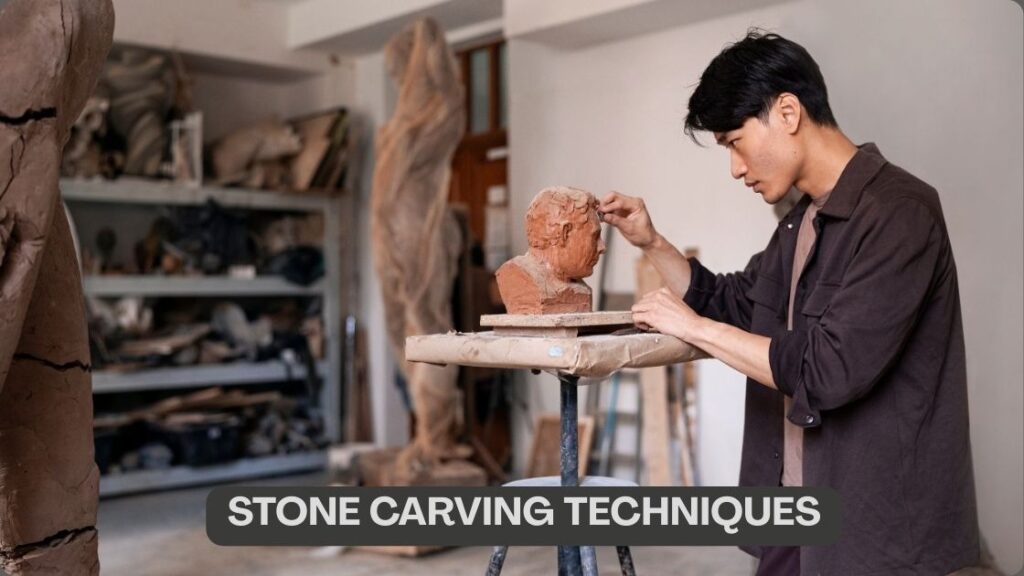
What Are Stone Carving Techniques and Why Do They Matter?
Stone carving techniques refer to the systematic methods artists and craftsmen use to shape, sculpt, and finish natural stone into functional or decorative forms. These methods range from simple hand tool processes to advanced power tool applications, each designed to remove material with control and precision. Understanding these techniques is not just about making art; it is about preserving a craft that has defined civilizations for centuries.
The importance of mastering stone carving techniques cannot be overstated. Without proper knowledge, even the most talented sculptor risks cracking valuable stone, producing uneven surfaces, or creating structurally weak designs. Professional sculptors invest years learning these foundational skills because the quality of every finished piece depends entirely on the methods applied during the carving process.
A Brief History of Stone Sculpting
Stone sculpting is one of the oldest art forms known to humanity. Ancient Egyptians carved massive limestone and granite statues using copper tools and sand abrasives. Greek and Roman civilizations elevated marble carving into a celebrated fine art, producing works that still inspire artists today. During the Renaissance, masters like Michelangelo pushed stone carving techniques to extraordinary levels of realism and emotional depth.
Over the centuries, tools and approaches have evolved significantly, but the core principles remain the same. Modern sculptors still rely on the same fundamental understanding of stone grain, fracture lines, and material hardness that ancient artisans used thousands of years ago.
Types of Stone Used in Stone Carving Techniques
Choosing the right stone is the first critical decision in any carving project. Each type of stone has unique properties that directly affect which stone carving techniques you should apply.
Soft Stones
Soapstone and alabaster are popular choices for beginners because they are easy to shape with basic hand tools. These stones allow for smooth detailing without heavy physical effort, making them ideal for learning fundamental sculpting methods.
Medium Stones
Limestone and sandstone fall into the medium hardness category. They offer a good balance between workability and durability, and professional carvers frequently use them for architectural ornaments and decorative relief work.
Hard Stones
Marble and granite demand advanced stone carving techniques and specialized tools. Marble is the preferred material for fine art sculpture due to its translucent quality, while granite is favored for outdoor monuments because of its extreme weather resistance.
Essential Tools for Stone Carving
Every sculptor needs reliable tools to execute precise and clean work. The tools you select will depend on the complexity of your project and the type of stone you are working with.
- Point Chisel: Used for rough shaping and removing large amounts of stone quickly during the initial blocking stage.
- Tooth Chisel: Features a serrated edge that refines surfaces after rough shaping and prepares the stone for detail work.
- Flat Chisel: Ideal for smoothing surfaces and creating clean, defined edges on sculptural forms.
- Carving Hammer or Mallet: Provides controlled force when striking chisels, available in iron or rubber depending on stone hardness.
- Rasps and Rifflers: Fine finishing tools used to smooth curves, remove tool marks, and add delicate surface texture.
Power tools such as angle grinders, pneumatic chisels, and die grinders have also become essential in modern stone sculpting workshops. They speed up the rough shaping process significantly while still allowing for precision when handled by experienced carvers.
Step by Step Stone Carving Process
Understanding the complete workflow is essential for anyone serious about mastering stone carving techniques. Each phase builds upon the previous one, and skipping steps often leads to irreversible mistakes.
Step 1: Designing and Planning
Every successful sculpture begins with a detailed plan. Artists typically create sketches or clay models called maquettes before touching the stone. This planning stage helps visualize proportions, identify potential weak points in the stone, and establish a clear carving direction.
Step 2: Rough Shaping
Using point chisels and hammers, the sculptor removes large sections of excess stone to reveal the basic form. This is the most physically demanding phase and requires a strong understanding of stone grain direction to avoid unwanted fractures.
Step 3: Refining the Form
Once the rough shape is established, tooth chisels and flat chisels are used to define features, curves, and structural details. This stage of the stone carving process demands patience and careful observation, as removing too much material at this point can ruin the entire piece.
Step 4: Detailing and Texturing
Fine detailing brings the sculpture to life. Carvers use smaller chisels, rifflers, and specialized texturing tools to add facial features, fabric folds, lettering, or organic patterns. Advanced stone carving techniques like relief sculpting and undercutting are often applied during this phase to create depth and shadow.
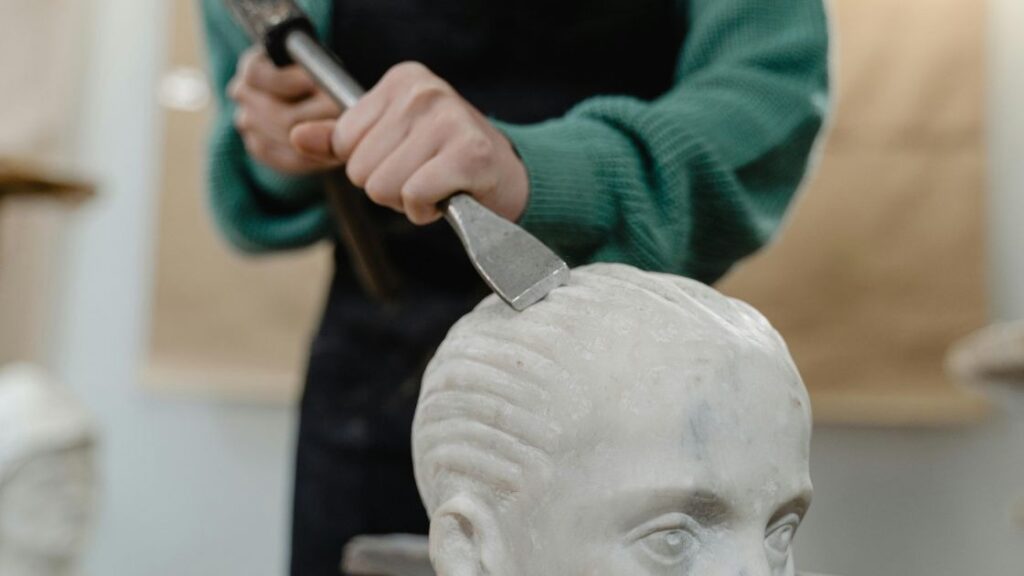
Step 5: Finishing and Polishing
The final stage involves smoothing the surface using progressively finer abrasives, wet sanding, and polishing compounds. A well executed finish enhances the natural beauty of the stone and protects it from environmental damage over time.
Key Tips for Improving Your Stone Carving Techniques
Even experienced sculptors benefit from revisiting fundamental best practices. Refining your approach over time is what separates hobbyists from true professionals.
- Always study the natural grain and veining of your stone before making the first cut to reduce the risk of fractures.
- Start with softer stones like soapstone or alabaster to build confidence and hand tool control before attempting harder materials.
- Keep your chisels sharp at all times because dull tools require more force and increase the chance of chipping.
- Work slowly and remove small amounts of material at a time since stone cannot be added back once removed.
- Wear proper safety gear including eye protection, dust masks, and gloves to protect yourself from stone dust and flying chips.
Common Challenges in Stone Carving
Learning stone carving techniques comes with inevitable obstacles. Unexpected fractures, material inconsistencies, and physical fatigue are challenges every carver faces at some point. Hidden veins or soft spots within the stone can cause pieces to break away unpredictably, which is why experienced sculptors always inspect their material thoroughly before beginning.
Another common challenge is maintaining symmetry and proportion across a three dimensional form. Unlike digital art, stone sculpting offers no undo button. Developing a strong eye for spatial relationships and practicing measurement discipline are skills that improve significantly with consistent hands on experience.
Conclusion
Mastering stone carving techniques is a rewarding journey that connects you to one of humanity’s oldest and most respected art forms. Throughout this guide, we have explored the essential methods that every serious sculptor needs to understand, from selecting the right type of stone and using proper hand tools to following a structured carving process that moves from rough shaping all the way through to polished finishing.
The key takeaway is that successful stone sculpting is never about rushing. It demands patience, careful planning, and a willingness to learn from every piece you work on. Whether you are practicing basic chisel control on soft soapstone or tackling an ambitious marble sculpture, each project sharpens your skills and deepens your understanding of how natural stone responds to different tools and approaches.
We also covered the importance of safety practices, tool maintenance, and working with the natural grain of your material to avoid costly mistakes. These fundamentals are what separate casual hobbyists from confident, skilled artisans who produce gallery worthy work consistently.
If you are just starting out, begin with simple projects using softer stones and gradually challenge yourself with harder materials as your confidence grows. Study the work of professional sculptors, invest in quality carving tools, and never stop refining your craft. The world of stone carving techniques offers endless creative possibilities, and with dedicated practice, you can transform raw stone into extraordinary works of sculptural art that stand the test of time.