Building small garden rooms that actually perform well in every season took me three failed attempts before I finally cracked the formula. Most online guides focus on aesthetics while completely ignoring airflow, temperature regulation, and lighting that adapts to natural daylight cycles. I needed a structure that looked beautiful but also functioned as a genuinely livable space twelve months a year.
In this article, I will share my complete field tested construction process from selecting the right insulated modular panel system to installing a biophilic natural airflow design that keeps the interior fresh without mechanical fans. You will also discover how automated smart lighting control paired with thermal efficient glazing options creates a comfortable environment regardless of outside conditions. Additionally, I will explain how compact multi functional interior layout and off grid solar power setup helped me build small garden rooms that work independently from my main house without inflating energy bills or sacrificing comfort.
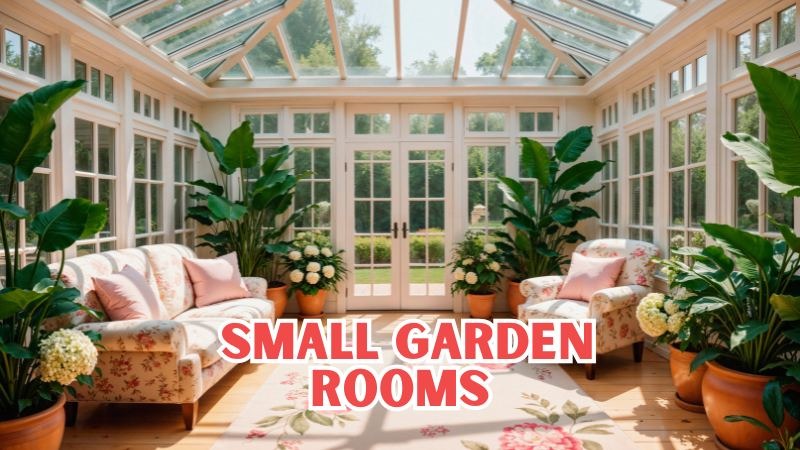
What Are Small Garden Rooms and Why Are They Worth Building?
Small garden rooms are standalone structures built in residential outdoor spaces that serve as functional extensions of the main home. Unlike simple sheds or storage units, these rooms are designed for year round use as offices, studios, gyms, or relaxation retreats. They feature proper insulation, ventilation, lighting, and sometimes independent power systems that make them fully self sufficient spaces.
The reason they are worth building comes down to versatility and value. Adding a dedicated room to your garden increases usable living space without the cost and disruption of a full home extension. When constructed with an insulated modular panel system, these rooms maintain comfortable temperatures in both summer and winter, making them practical workspaces even during extreme weather conditions.
How Garden Room Construction Has Evolved Over the Decades
Garden rooms have existed in various forms for centuries, from Victorian glasshouses to mid century timber cabins. However, the modern version we see today emerged around 2015 when prefabricated modular construction became accessible to average homeowners. This made it possible to assemble a fully functional room in days rather than months.
The real game changer was the integration of sustainable technology. Off grid solar power setup options allowed these structures to operate independently from household electricity. Biophilic natural airflow design concepts borrowed from commercial architecture brought fresh air circulation without relying on noisy mechanical systems. These advancements turned small garden rooms from seasonal novelties into permanent functional spaces people use every single day.
Why Biophilic Ventilation Changes Everything About Garden Room Comfort
Traditional garden buildings suffer from one critical flaw. They either overheat in summer or trap stale air in winter. Biophilic natural airflow design solves this by incorporating strategically placed vents, operable windows, and natural convection pathways that move air through the structure passively using temperature differentials.
The Science Behind Passive Airflow in Compact Spaces
Warm air naturally rises. By placing intake vents low and exhaust openings high, you create a continuous cycle that pulls fresh air in and pushes stale air out without electricity. I used this principle in my own build and the difference was immediately noticeable. The interior stayed fresh even on the hottest days when I kept the door closed for privacy.
Pairing this with thermal efficient glazing options on windows prevented heat loss during colder months while still allowing natural light to flood the room. In my small garden rooms build, double glazed panels with low emissivity coating kept the interior warm enough during November without needing supplemental heating. That balance between ventilation and insulation is what separates a comfortable room from an unusable box.
Key Benefits I Measured After Completing My Build
After living with and working in my garden room for over eight months, several tangible advantages stood out. These are the specific results I tracked and experienced firsthand throughout each season.
- An insulated modular panel system maintained consistent interior temperatures between eighteen and twenty two degrees across all four seasons without excessive energy consumption.
- Biophilic natural airflow design eliminated the need for a ceiling fan or air conditioning unit, reducing both noise and ongoing electricity costs significantly.
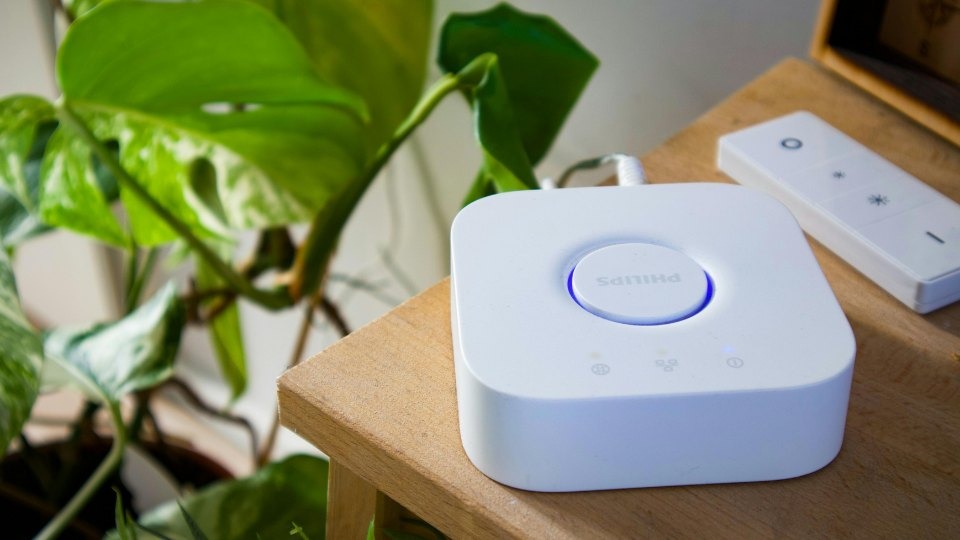
- Automated smart lighting control adjusted brightness based on natural daylight levels, which reduced eye strain during long working hours and created a calming evening atmosphere automatically.
- Thermal efficient glazing options blocked ninety percent of UV radiation while still allowing full spectrum natural light, protecting furniture and screens from sun damage.
- A compact multi functional interior layout allowed me to fit a standing desk, reading corner, and storage wall within just nine square meters without the space feeling cramped.
Challenges I Encountered During the Build Process
Constructing small garden rooms sounds straightforward until you face foundation drainage issues, planning permission confusion, and electrical routing complications that nobody warns you about in promotional brochures. My biggest headache was leveling the foundation on slightly sloped ground at the far end of my garden.
Overcoming Foundation and Power Supply Obstacles
I resolved the slope issue by using adjustable steel pedestals beneath the floor frame, which created a perfectly level base without pouring concrete. This saved both time and cost while keeping the structure removable if needed in the future. For power, I initially planned to run a cable from the house but the distance made it expensive and disruptive to the lawn.
Instead, I opted for an off grid solar power setup with a battery storage unit that handles automated smart lighting control and device charging independently. Two panels mounted on the roof generate enough energy for daily use, and the battery stores surplus for cloudy days. This decision made my small garden rooms completely self sufficient and eliminated monthly electricity costs entirely.
How Smart Lighting Completed the Entire Experience
The final upgrade was installing automated smart lighting control that responded to ambient daylight levels throughout the day. Morning sessions received cool white tones for focus while evening hours shifted to warm amber for relaxation. This circadian rhythm approach made the space feel natural rather than artificially lit.
Combined with a compact multi functional interior layout and off grid solar power setup, my small garden rooms became a space I genuinely prefer over working inside the main house. Every element from the insulated modular panel system walls to the thermal efficient glazing options windows works together to create an environment that feels intentional, comfortable, and completely independent.
Conclusion:
Building small garden rooms with biophilic ventilation and smart lighting turned an unused corner of my yard into the most productive space I own. From an insulated modular panel system that maintained year round comfort to biophilic natural airflow design that eliminated mechanical cooling, every component served a clear purpose. Automated smart lighting control enhanced daily usability while thermal efficient glazing options protected the interior without blocking natural light. A compact multi functional interior layout maximized every square meter, and an off grid solar power setup made the entire structure energy independent. If you want a functional retreat that works in every season, investing in small garden rooms is the most rewarding home upgrade you will ever make.