The urgent search for sustainable plastic alternatives has become one of the most critical missions in modern environmental science as plastic pollution continues devastating oceans, ecosystems, and human health across every continent on earth. With over eight million tons of plastic waste entering marine environments annually, the demand for biodegradable materials and eco-friendly packaging solutions that can replace conventional petroleum based plastics has reached unprecedented levels among researchers, manufacturers, and conscious consumers worldwide.
This scientifically grounded guide evaluates the most promising sustainable plastic alternatives that are actively disrupting global manufacturing industries and reshaping how businesses approach product packaging, material sourcing, and environmental responsibility. From plant based bioplastics and compostable packaging innovations to mushroom derived materials, seaweed based solutions, and recycled ocean plastic technologies, this article delivers expert level analysis covering every breakthrough transforming the green materials landscape.
Whether you are an environmental researcher, business leader exploring eco-friendly manufacturing, or a conscious consumer seeking biodegradable products, understanding sustainable plastic alternatives at a research verified level is essential for making informed decisions. By the end of this comprehensive guide, you will possess complete knowledge of the most transformative sustainable plastic alternatives redefining how humanity addresses the global plastic crisis through innovation, science, and collective environmental commitment.
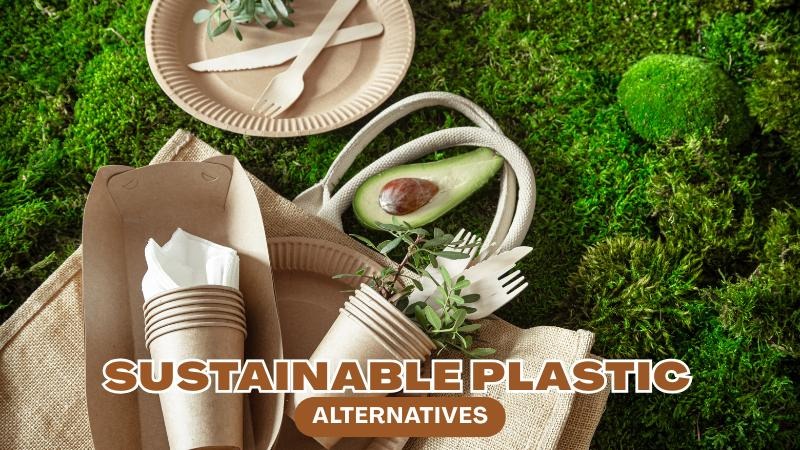
Understanding the Science Behind Sustainable Plastic Alternatives
The development of sustainable plastic alternatives represents a revolutionary shift in materials science driven by the urgent need to address the catastrophic environmental impact of conventional petroleum based plastics. These innovative materials are engineered to replicate the functional properties of traditional plastics while offering biodegradable or compostable end of life pathways that dramatically reduce pollution accumulation in landfills, oceans, and natural ecosystems worldwide.
Environmental researchers classify sustainable plastic alternatives into several categories based on their source materials, decomposition characteristics, and manufacturing processes. Plant based bioplastics derived from corn starch, sugarcane, and cellulose represent the largest and most commercially developed category, while newer innovations using seaweed, mushroom mycelium, and agricultural waste are rapidly gaining scientific validation and industrial interest.
Related Article: Transparent Look at Sustainable Plastic Alternatives and Their True Environmental Impact
The Historical Journey From Petroleum Plastics to Green Materials
The dominance of petroleum based plastics began in the mid twentieth century when mass production made synthetic polymers extraordinarily cheap and versatile. For decades, the convenience and durability of conventional plastics overshadowed any environmental concerns about their disposal. However, by the 1990s, mounting evidence of plastic pollution in marine environments and its devastating effects on wildlife forced scientists and policymakers to seriously explore biodegradable materials capable of performing similar functions without permanent ecological damage.
The first commercially viable bioplastics emerged in the early 2000s, and since then research investment in sustainable plastic alternatives has accelerated dramatically. Today the field represents a multibillion dollar global industry attracting funding from governments, venture capitalists, and major corporations committed to reducing their dependence on fossil fuel derived packaging and product materials.
Plant Based Bioplastics Leading the Green Materials Revolution
Plant based bioplastics currently stand as the most widely adopted category of sustainable plastic alternatives across food packaging, retail, agriculture, and consumer goods industries. These materials are manufactured from renewable biological resources including corn starch, sugarcane bagasse, potato starch, and cellulose extracted from wood pulp, giving them a significantly lower carbon footprint compared to conventional petroleum derived plastics.
The most common bioplastic currently in commercial production is polylactic acid commonly known as PLA which is derived primarily from fermented corn starch. PLA has gained widespread adoption for eco-friendly packaging applications including food containers, disposable cutlery, beverage cups, and agricultural mulch films because it offers comparable performance to traditional plastics while being fully compostable under industrial composting conditions.
Limitations and Ongoing Challenges of Current Bioplastics
Despite their environmental advantages, plant based bioplastics face significant challenges that currently prevent them from fully replacing conventional plastics at global scale. Industrial composting facilities required for proper PLA decomposition remain scarce in many regions, meaning that bioplastic products often end up in regular landfills where they degrade extremely slowly due to the absence of necessary temperature and moisture conditions.
Additionally, concerns about dedicating agricultural land to bioplastic feedstock production rather than food cultivation have prompted researchers to explore second generation bioplastics made from agricultural waste, algae, and non food crops that eliminate competition with global food supply chains.
Breakthrough Innovations in Biodegradable Materials
Beyond established bioplastics, several groundbreaking sustainable plastic alternatives have emerged from research laboratories worldwide, offering extraordinary promise for eliminating plastic pollution through entirely novel material compositions. These innovations represent the cutting edge of green materials science and are attracting significant attention from both environmental organizations and commercial manufacturers seeking next generation eco-friendly packaging solutions.
The diversity of approaches being explored demonstrates that the future of sustainable plastic alternatives will likely involve multiple complementary material technologies rather than a single universal replacement for conventional plastics. Each innovation addresses specific applications and environmental conditions, creating an expanding toolkit for reducing plastic dependence across different industries and product categories.
Mushroom Mycelium and Seaweed Based Solutions
Mushroom mycelium packaging has emerged as one of the most exciting sustainable plastic alternatives currently transitioning from laboratory development to commercial production. This material is grown by cultivating fungal root structures around agricultural waste substrates, creating lightweight protective packaging that is fully compostable in home composting systems within weeks. Several major technology companies have already adopted mycelium packaging for shipping electronics, replacing expanded polystyrene foam that persists in environments for centuries.
Seaweed based materials represent another revolutionary approach that transforms abundantly available marine biomass into flexible films, rigid containers, and even edible packaging that dissolves harmlessly in water. These innovations leverage the rapid growth rate and minimal resource requirements of seaweed cultivation, making them exceptionally sustainable from both production and disposal perspectives.
The Role of Recycled Ocean Plastic Technologies
Recovering plastic waste already present in marine environments and transforming it into usable products represents a unique approach to the plastic crisis that simultaneously addresses pollution cleanup and material recycling. Several organizations and companies have developed technologies that collect ocean plastic debris, process it into clean raw material, and manufacture new products ranging from clothing and footwear to furniture and building materials.
This approach to sustainable plastic alternatives creates circular economy models where existing plastic waste becomes a valuable resource rather than an environmental liability. The social impact of ocean plastic recovery programs extends beyond environmental benefits into coastal community employment, marine ecosystem restoration, and public awareness campaigns that inspire broader participation in plastic pollution prevention efforts.
Scaling Recycled Plastic Programs Globally
Despite encouraging progress, scaling ocean plastic recovery and recycling technologies to match the volume of marine pollution entering oceans annually remains an enormous logistical and financial challenge. Current programs recover only a fraction of the estimated plastic waste floating in oceanic environments. Expanding these initiatives requires coordinated international investment, improved collection infrastructure, and consumer demand for products made from recycled ocean materials. The following factors are critical for accelerating this expansion.
- Government subsidies and tax incentives for companies using recycled ocean plastic in manufacturing processes create financial motivation that accelerates adoption beyond environmentally motivated early adopters into mainstream commercial production.
- Consumer education campaigns that communicate the environmental impact of purchasing products made from recovered marine plastic drive market demand that sustains and expands collection operations across vulnerable coastal regions.
- Technological improvements in sorting and processing contaminated ocean plastic into high quality raw material reduce production costs and expand the range of products that can be manufactured from recovered marine waste.
- International partnerships between governments, environmental organizations, and private sector manufacturers create coordinated cleanup networks that maximize collection efficiency across the most severely polluted oceanic regions worldwide.
- Investment in biodegradable materials research that prevents future plastic from entering marine environments addresses the root cause of ocean pollution rather than relying exclusively on reactive cleanup strategies.
These factors collectively determine whether recycled ocean plastic technologies can scale sufficiently to make meaningful contributions to global plastic pollution reduction.
Why Sustainable Plastic Alternatives Define the Future of Manufacturing
The transition away from conventional petroleum based plastics toward plastic alternatives is no longer a theoretical possibility but an industrial transformation already underway across multiple sectors worldwide. Consumer demand for eco-friendly packaging, tightening government regulations on single use plastics, and corporate sustainability commitments are creating irreversible momentum toward biodegradable materials and circular economy models that fundamentally change how products are manufactured, packaged, and disposed of globally.
Companies that invest in sustainable plastic alternatives today position themselves at the forefront of a market shift that will define competitive advantage for decades to come. Those who delay this transition risk regulatory penalties, consumer backlash, and irrelevance in an increasingly environmentally conscious global marketplace where ecological responsibility is becoming a prerequisite for commercial success rather than an optional marketing strategy.
Conclusion
The global plastic crisis demands immediate and innovative action from researchers, manufacturers, consumers, and policymakers committed to protecting our planet’s ecosystems and future generations. Throughout this comprehensive guide, we have explored how sustainable plastic alternatives ranging from plant based bioplastics and mushroom mycelium packaging to seaweed based solutions and recycled ocean plastic technologies are fundamentally transforming how industries approach material sourcing, product packaging, and environmental responsibility.
The scientific evidence overwhelmingly confirms that biodegradable materials and compostable packaging innovations offer viable pathways to replacing conventional petroleum based plastics without sacrificing product functionality or commercial viability. However, significant challenges including limited composting infrastructure, production scalability, and persistent greenwashing require continued investment and consumer vigilance to overcome effectively.
Circular economy models that recover existing plastic waste and transform it into valuable resources represent equally important strategies for addressing pollution already present in marine environments and landfills worldwide.
Embracing sustainable plastic alternatives is no longer optional for businesses seeking long term competitive advantage in an environmentally conscious marketplace. Every manufacturer, retailer, and consumer who commits to supporting plastic alternatives today accelerates the transition toward a cleaner, healthier planet where ecological responsibility and industrial innovation coexist harmoniously for generations to come.