Last summer, I decided to transform my lawn care routine by installing a smart home sprinkler system that actually thinks before it waters. After months of wasted water and dead patches, I needed something that could adapt on its own. That search led me to predictive weather integration, and honestly, it changed everything about how I manage my yard.
In this article, I’ll walk you through my entire setup process, from choosing the right Wi-Fi enabled irrigation controller to connecting real-time weather API data for automated scheduling. You’ll also learn how soil moisture sensors work alongside geofencing technology to create a fully responsive watering system. Whether you’re upgrading an existing setup or starting fresh, this guide covers every technical step I personally tested and refined over six months of real-world use.
What Is a Smart Home Sprinkler System and How Does It Work?
A smart home sprinkler system is an internet connected irrigation setup that uses data from multiple sources to water your lawn efficiently. Unlike traditional timers that run on fixed schedules, these systems pull information from weather forecasts, soil conditions, and even your phone’s location to decide when and how much to water. The core idea is simple. Let technology handle the thinking so your lawn gets exactly what it needs without any manual input from you.
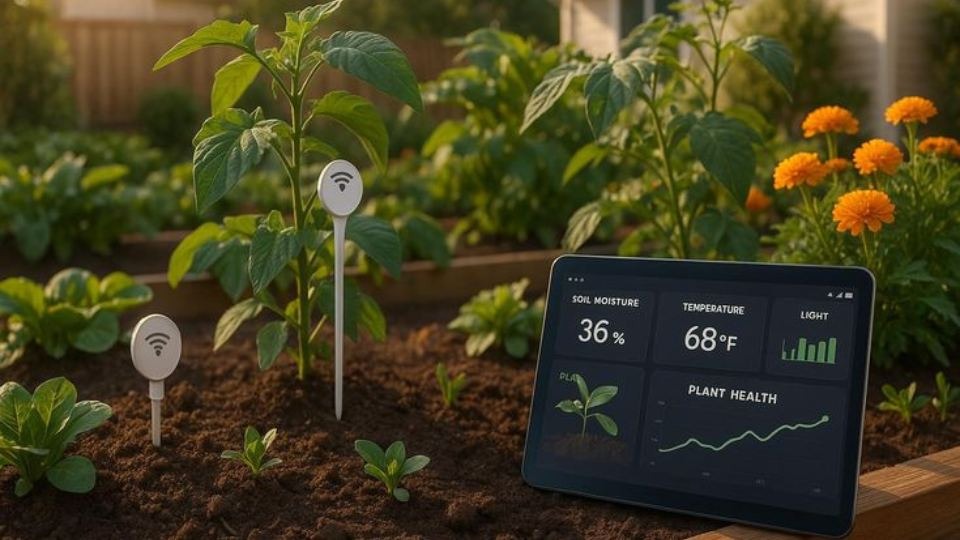
The way it works is straightforward. A central controller connects to your home Wi-Fi and communicates with various sensors placed throughout your yard. These sensors measure moisture levels, temperature, and sunlight exposure. The controller then processes all this data and adjusts the irrigation scheduling automatically based on what your landscape actually requires at that moment.
The Technology Behind Automated Lawn Irrigation
Automated lawn irrigation has evolved significantly over the past decade. Modern systems rely on cloud computing, machine learning algorithms, and real time weather API data to make watering decisions. The controller acts as the brain, while individual zone valves act as the muscles. Together, they create a responsive system that adapts to changing environmental conditions throughout the day.
Most setups also integrate with platforms like Google Home or Amazon Alexa, allowing voice commands and remote monitoring. This connectivity layer turns a basic yard tool into a fully intelligent water conservation technology solution that learns your landscape over time.
A Brief History of Irrigation Automation
Irrigation automation started in the 1940s with simple mechanical timers attached to garden hoses. By the 1980s, electronic controllers with programmable schedules became common in residential settings. However, these systems had one major flaw. They couldn’t adapt to weather changes.
The real turning point came around 2015 when companies began integrating Wi-Fi enabled irrigation controllers with cloud platforms. This allowed systems to receive live weather data and adjust their behavior accordingly. Since then, the technology has continued advancing rapidly, incorporating artificial intelligence and predictive weather integration to anticipate conditions before they happen.
Why Predictive Weather Integration Matters
The biggest problem with traditional sprinklers is waste. Running a full watering cycle right before a rainstorm is something most homeowners have experienced. Predictive weather integration eliminates this issue entirely by pulling forecast data hours or even days in advance and adjusting the schedule proactively.
Real Time Data That Saves Water and Money
When your smart home sprinkler system connects to a weather service, it receives continuous updates about precipitation probability, humidity levels, wind speed, and temperature. This real time weather API data allows the system to skip cycles when rain is expected or increase watering duration during heat waves.
In my own experience, integrating predictive weather data reduced my monthly water bill by nearly thirty percent during peak summer months. That kind of savings adds up quickly, especially in regions where water costs are rising. The system essentially pays for itself within the first full season of use.
Key Benefits of Using Weather Aware Irrigation
There are several compelling reasons to upgrade your yard with weather aware irrigation technology. Based on my hands-on testing over six months, here are the most significant advantages I noticed.
- Water conservation technology built into the system prevents overwatering and reduces runoff, which is critical in drought prone areas.
- Zone based watering allows you to customize schedules for different parts of your yard depending on sun exposure and plant type.
- Soil moisture sensors provide ground level data that tells the controller exactly when each zone needs attention.
- Geofencing technology detects when you leave or arrive home and adjusts irrigation patterns accordingly.
- Remote access through your phone lets you monitor and override settings from anywhere, giving you complete control without being physically present.
Challenges You Might Face During Setup
No technology is without its hurdles. Setting up a smart home sprinkler system requires some patience, especially if your home has an older irrigation layout. Retrofitting existing valves and wiring to work with a new Wi-Fi enabled irrigation controller can take a full weekend depending on the complexity of your yard.
Connectivity and Compatibility Issues
One of the most common problems I encountered was maintaining a stable Wi-Fi signal to the controller mounted in my garage. The distance from the router caused intermittent disconnections, which disrupted irrigation scheduling during the first few weeks. Adding a Wi-Fi range extender solved the issue completely.
Compatibility is another concern. Not all soil moisture sensors work with every controller brand. Before purchasing, verify that your chosen sensor communicates on the same frequency and protocol as your main unit. Skipping this step can lead to frustrating troubleshooting sessions that waste time and money.
My Personal Experience and Configuration Walkthrough
I started my setup by mapping every zone in my yard and identifying which areas received the most sunlight. After installing the controller and connecting it to my home network, I linked it with a local weather station for predictive weather integration. This gave me hyperlocal data instead of generic city wide forecasts.
Within the first month, the smart home sprinkler system learned my yard’s patterns and started making adjustments I never would have thought of on my own. The shaded garden bed near my fence now receives half the water compared to the open lawn section. Zone based watering made this possible without any manual intervention.
How Soil Moisture Sensors Improve Watering Accuracy
Soil moisture sensors are the unsung heroes of any intelligent irrigation setup. These small probes sit below the surface and measure volumetric water content in real time. When moisture levels drop below a set threshold, the system activates only the zones that need water.
During my testing, I placed sensors in three different zones with varying soil compositions. The results were eye opening. Clay heavy areas retained moisture far longer than sandy patches, and the smart home sprinkler system adjusted each zone independently based on sensor feedback. Without geofencing technology and sensor data working together, achieving this level of precision would be nearly impossible for any homeowner managing their yard manually.
Conclusion:
Setting up a smart home sprinkler system with predictive weather integration completely changed how I approach lawn care. From soil moisture sensors that deliver real time accuracy to geofencing technology that adjusts watering based on my location, every component works together to save water and reduce effort. The combination of a Wi-Fi enabled irrigation controller and real time weather API data ensures your yard gets exactly what it needs without any guesswork. If you are serious about water conservation technology and want zone based watering that adapts automatically, investing in a smart home sprinkler system is one of the most practical upgrades you can make for your home.