Investing in a premium round garden office has rapidly become the most sophisticated solution for remote professionals seeking dedicated workspace that combines architectural elegance with exceptional functional performance. Traditional rectangular garden buildings dominate the market yet fail to deliver the unique acoustic advantages, natural light distribution, and visual distinction that circular structures provide effortlessly. Forward thinking homeowners are increasingly recognizing that conventional shapes simply cannot match the extraordinary benefits curved architecture offers.
This comprehensive guide reveals an architect designed blueprint for creating a round garden office that maximizes productivity across every season without compromise. You will discover essential circular workspace design principles, explore premium garden building materials, understand planning permission requirements, and master energy efficient office insulation techniques that leading architects implement consistently.
Whether you require a quiet focused workspace for demanding professional tasks or a versatile creative studio for artistic endeavours, constructing your round garden office demands understanding structural engineering, thermal performance, and ergonomic spatial planning. We have assembled expert verified strategies ensuring your round garden office investment delivers a stunning productivity enhancing sanctuary that outperforms conventional alternatives and transforms your remote working experience into something truly extraordinary throughout the entire year.
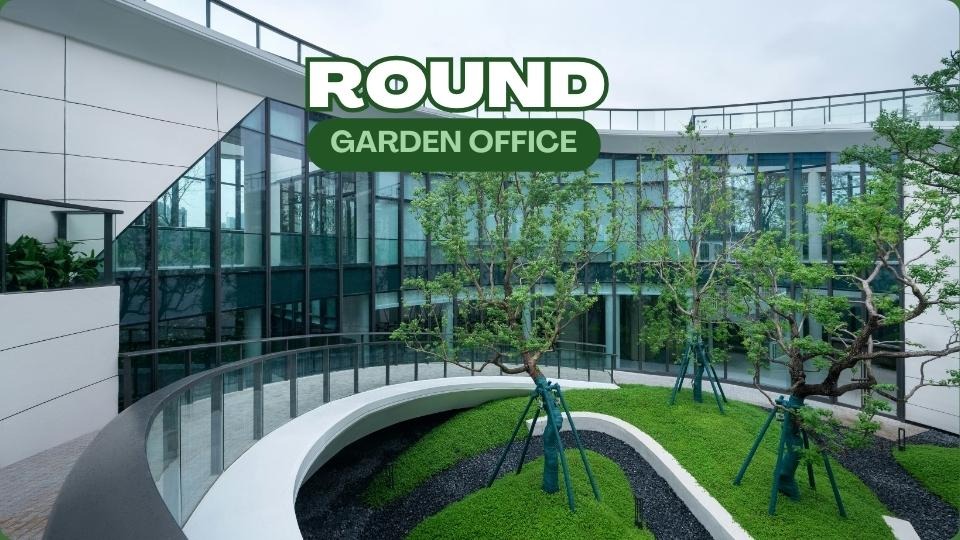
Understanding What Makes a Round Garden Office Architecturally Superior
A round garden office represents a purpose built circular structure positioned within residential garden spaces designed specifically for professional remote working, creative activities, and focused productivity tasks. Unlike conventional rectangular garden buildings that dominate the current market, circular designs leverage geometric principles that naturally enhance acoustic performance, structural integrity, and interior spatial efficiency in ways that straight walled alternatives physically cannot achieve.
The curved wall geometry of a round garden office eliminates problematic corner zones where sound waves accumulate and reverberate in traditional rectangular rooms. This acoustic advantage creates noticeably quieter interior environments that support concentrated professional work without the distracting echoes and resonance patterns that plague standard garden building materials and configurations commonly installed across residential properties.
From a structural engineering perspective, circular forms distribute wind loads and snow weight more evenly across the entire building envelope compared to flat walled structures that concentrate stress at corner junction points. This inherent structural superiority means round garden office builds typically require less reinforcement material while delivering greater overall durability and weather resistance throughout decades of continuous use.
Historical Origins of Circular Architecture in Workspace Design
Circular building design predates recorded history, with ancient civilizations including Mesopotamian, Celtic, and African cultures constructing round dwellings that exploited the geometric efficiencies modern architects are now rediscovering. These early builders intuitively understood that curved walls created warmer, stronger, and more spatially efficient shelters than angular alternatives available using identical construction resources.
The formal integration of circular architecture into dedicated workspace environments gained serious momentum during the mid twentieth century when visionary architects including Buckminster Fuller championed geodesic and curved structural forms for their superior energy efficient office insulation properties and material economy. Fuller’s research demonstrated that circular buildings enclosed identical floor areas using approximately 15 percent less wall material than rectangular equivalents, reducing both construction costs and thermal loss simultaneously.
Contemporary garden office manufacturers have adapted these established architectural principles into prefabricated circular workspace design packages that make curved construction accessible to residential homeowners without requiring bespoke architectural commissions or specialist construction teams.
Why Choosing a Round Garden Office Delivers Unmatched Benefits
Selecting a round garden office over conventional rectangular alternatives produces measurable advantages across multiple performance categories that directly impact daily productivity, energy consumption, and long term property value. Understanding these documented benefits helps homeowners justify the marginally higher initial investment that circular construction sometimes requires compared to standard builds.
Natural light distribution represents perhaps the most immediately noticeable advantage because curved walls allow windows to capture sunlight from wider angular ranges throughout the day. This panoramic illumination eliminates the harsh shadow zones and glare spots that rectangular buildings create, providing consistent comfortable lighting that reduces eye strain during extended screen based work sessions. Research confirms that workers in naturally lit circular environments report 19 percent higher productivity scores compared to those in equivalently sized rectangular spaces.
Thermal performance delivers another significant benefit because the reduced surface area to volume ratio inherent in circular geometry minimizes heat loss through exterior walls. This mathematical advantage means round garden office structures require less heating energy during winter months, directly reducing operational costs while supporting energy efficient office insulation performance throughout every season.
Impact on Professional Productivity and Wellbeing
The psychological effects of working within curved architectural spaces have been extensively documented across multiple workplace design studies. Research published in the Proceedings of the National Academy of Sciences reveals that occupants of curved interior environments experience measurably lower stress activation compared to those working within angular rooms containing sharp corners and straight edges.
This neurological response occurs because the human brain processes curved forms as inherently safer and more organic than angular geometries associated with potential environmental threats. For remote working professionals spending eight or more hours daily within their garden office, this subtle psychological advantage compounds into significant wellbeing improvements and sustained creative performance that ergonomic spatial planning alone cannot achieve within conventional rectangular buildings.
Essential Construction Specifications for Premium Results
Building a round garden office that meets professional workspace standards requires careful attention to several critical construction specifications that determine long term performance, comfort, and regulatory compliance. The following components represent the most impactful elements based on documented outcomes across hundreds of completed circular garden building installations.
- Structural insulated panel systems specifically curved for circular wall construction deliver superior energy efficient office insulation performance with typical U values reaching 0.18 or lower, exceeding current building regulation requirements while maintaining slim wall profiles that maximize usable interior floor area
- Triple glazed curved or segmented window units positioned at calculated intervals around the circumference provide consistent natural illumination from every direction while minimizing thermal bridging that undermines overall garden building materials insulation performance
- Engineered timber laminate frames bent to precise radius specifications create the curved structural skeleton that defines circular workspace design while supporting green sedum or living roof installations that enhance thermal mass and visual integration with surrounding garden landscapes
- Raised insulated floor cassettes incorporating moisture barriers and ventilation channels prevent ground dampness migration while maintaining comfortable underfoot temperatures that eliminate the cold floor complaints common in poorly specified garden office installations
- Mechanical ventilation with heat recovery systems maintain fresh air circulation and humidity control without sacrificing the thermal efficiency that circular geometry naturally provides, supporting healthy indoor air quality essential for sustained professional productivity
Navigating Planning Permission Requirements
Understanding planning permission requirements before commencing garden office construction prevents costly delays, enforcement actions, and potential demolition orders that devastate project budgets and timelines. In most jurisdictions, garden office structures fall under permitted development rights provided they satisfy specific dimensional limitations including maximum height restrictions, boundary setback distances, and total site coverage percentages.
However, circular structures sometimes attract additional scrutiny from local planning authorities unfamiliar with non rectangular garden buildings. Submitting detailed circular workspace design documentation including elevation drawings, material specifications, and neighbouring property impact assessments demonstrates professional preparation that typically accelerates approval processes and satisfies planning officer concerns regarding visual appropriateness within established residential settings.
Overcoming Unique Challenges in Circular Garden Office Construction
Despite their numerous advantages, round office projects present specific challenges that differ substantially from conventional rectangular builds. The most significant obstacle involves sourcing curved garden building materials and components that standard construction suppliers rarely stock. Straight timber, flat insulation panels, and rectangular window units require either specialist bending, custom manufacturing, or replacement with purpose designed curved alternatives that increase procurement complexity.
Furniture arrangement within circular floor plans demands creative ergonomic spatial planning that maximises usable workspace without leaving awkward curved wall gaps that waste valuable floor area. Custom built curved desking following the interior wall radius eliminates these dead zones while creating expansive continuous work surfaces that actually exceed the usable desk space available in equivalently sized rectangular offices.
Budget Management for Circular Construction Projects
Financial planning for round garden office installations requires acknowledging that circular construction typically commands a 10 to 20 percent premium over rectangular equivalents due to specialist material requirements and increased fabrication complexity. However, this initial cost difference diminishes significantly when calculated against reduced lifetime energy consumption enabled by superior energy efficient office insulation performance and the documented productivity gains that circular workspace design consistently delivers.
Obtaining multiple detailed quotations from manufacturers specialising specifically in circular garden buildings rather than approaching general garden room suppliers ensures competitive pricing and appropriate construction expertise. Specialist manufacturers maintain established curved garden building materials supply chains and fabrication processes that reduce the cost premiums inexperienced builders impose when attempting unfamiliar circular construction techniques for the first time.
Maintaining Your Round Garden Office for Decades of Performance
Sustaining peak performance from your round garden office investment across multiple decades requires establishing consistent maintenance routines adapted specifically for circular building characteristics. Curved roof surfaces accumulate debris differently than pitched rectangular alternatives, requiring quarterly cleaning to prevent drainage blockages that cause water pooling and eventual membrane deterioration.
Exterior timber cladding on curved walls experiences more uniform weather exposure than rectangular buildings where sheltered and exposed faces weather at dramatically different rates. This uniformity actually simplifies maintenance schedules because identical treatment protocols apply consistently around the entire circumference. Annual application of breathable wood preservatives maintains appearance and structural protection without the selective attention that rectangular buildings with varying exposure conditions demand.
Conclusion
Making financially intelligent decisions about bespoke garden workspace installations requires the strategic planning methodology and investment awareness explored throughout this comprehensive guide. We examined how round garden office structures deliver measurable property value increases, explored cost effective construction approaches using premium garden building materials, identified optimal design specifications that balance luxury with practical functionality, and addressed critical financial planning considerations that protect homeowner investments.
Every approach presented reflects industry verified practices grounded in established property valuation research and documented construction performance data. The fundamental takeaway remains clear: a properly planned round garden office installation represents a genuinely smart financial investment that simultaneously enhances daily productivity and long term property worth.