The remarkable healing power of nature and forest therapy has emerged as one of the most scientifically validated approaches to restoring mental, emotional, and physical wellbeing in our increasingly disconnected modern world. Chronic stress, anxiety disorders, and emotional exhaustion have reached epidemic proportions as humans spend approximately ninety percent of their lives confined within artificial indoor environments. These alarming health trends demand therapeutic solutions grounded in evidence rather than speculation.
This comprehensive guide explores how nature and forest therapy delivers profound restorative benefits through practices that wellness researchers and certified forest bathing practitioners actively endorse. From understanding the neuroscience behind shinrin yoku to discovering ecotherapy techniques that measurably reduce cortisol levels, every section provides knowledge rooted in peer reviewed clinical research.
Whether you are exploring mindfulness in nature for the first time or seeking advanced outdoor healing practices to deepen your therapeutic journey, this article delivers transformative clarity. We examine biophilic wellness principles, decode the physiological mechanisms behind forest immersion, and highlight real world recovery stories demonstrating remarkable outcomes.
By the end, you will fully understand how nature and forest therapy reshapes brain chemistry, strengthens immune function, and cultivates lasting psychological resilience. Nature and forest therapy represents the bridge between ancient wisdom and modern science that millions desperately need today.
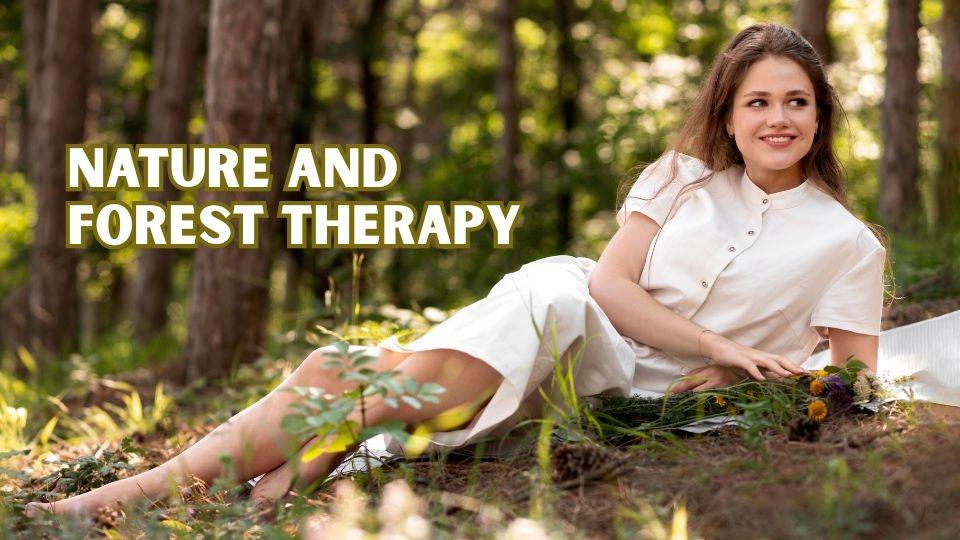
Understanding the True Definition of Nature and Forest Therapy
Nature and forest therapy refers to a guided therapeutic practice that intentionally immerses individuals within natural environments to promote measurable improvements in mental, emotional, and physical health. Unlike casual outdoor recreation or simple nature walks, this structured approach follows specific protocols designed by certified practitioners who understand the neurological and physiological mechanisms through which natural settings influence human wellbeing.
The practice draws heavily from the Japanese tradition of shinrin yoku, which translates to forest bathing, a concept centered on absorbing the forest atmosphere through all five senses simultaneously. Nature and forest therapy expands upon this foundation by incorporating guided invitations, reflective exercises, and mindfulness in nature techniques that deepen the connection between participant and environment. Ecotherapy techniques form the clinical backbone of this discipline, bridging the gap between traditional psychotherapy and the restorative properties found within woodland ecosystems and natural landscapes.
The Historical Roots of Forest Based Healing Practices
The concept of healing through natural environments stretches back thousands of years across multiple civilizations. Ancient Greek physicians prescribed garden walks for patients experiencing emotional disturbances. Traditional Chinese medicine incorporated forest dwelling retreats as essential components of holistic recovery programs. Indigenous cultures worldwide have maintained deep therapeutic relationships with natural landscapes for countless generations.
The modern clinical framework for nature and forest therapy originated in Japan during the early 1980s when the Japanese Ministry of Agriculture, Forestry, and Fisheries officially coined the term shinrin yoku. Government officials recognized that rapid urbanization was creating widespread stress related illnesses among the population and invested significantly in researching the measurable health benefits of structured forest immersion experiences.
How Scientific Research Legitimized Forest Healing
During the 1990s and early 2000s, Japanese researchers conducted groundbreaking studies measuring the physiological effects of forest environments on human biology. Their findings demonstrated significant reductions in cortisol levels, blood pressure, and heart rate among participants who spent structured time within forested settings compared to urban environments. These peer reviewed studies attracted international attention and inspired researchers across Europe, North America, and Australia to replicate and expand upon the original findings. The accumulating scientific evidence transformed nature and forest therapy from a cultural tradition into a clinically validated therapeutic modality recognized by healthcare professionals worldwide. Organizations dedicated to training certified forest bathing guides emerged globally, establishing standardized protocols that ensure consistent therapeutic quality across different practitioners and geographic locations.
Why Nature and Forest Therapy Carries Critical Importance Today
Modern society faces a mental health crisis of unprecedented proportions. Anxiety disorders affect hundreds of millions of people globally. Depression rates continue climbing across every demographic. Screen addiction and digital overstimulation have fundamentally altered how human brains process stress and relaxation. These converging challenges make nature and forest therapy remarkably relevant as a complementary therapeutic intervention backed by rigorous scientific evidence.
Research published in leading medical journals consistently demonstrates that regular exposure to natural environments activates the parasympathetic nervous system, responsible for the body’s rest and recovery functions. This biological response directly counteracts the chronic sympathetic nervous system activation caused by persistent urban stress exposure. Outdoor healing practices offer accessible pathways to neurological restoration that pharmaceutical interventions alone cannot fully replicate.
The Growing Recognition Within Clinical Healthcare
Medical professionals are increasingly integrating nature and forest therapy into treatment plans for patients experiencing chronic stress, burnout, grief, and trauma recovery. Hospitals in Japan, South Korea, and several European nations have established dedicated forest therapy programs that complement conventional medical treatments. This clinical integration reflects growing recognition that biophilic wellness principles produce measurable therapeutic outcomes deserving serious medical consideration rather than dismissal as alternative wellness trends.
Transformative Benefits Supported by Clinical Evidence
The advantages of practicing nature and forest therapy extend across multiple dimensions of human health. These benefits are documented through controlled clinical studies and verified patient outcomes data collected from certified programs worldwide.
- Cortisol levels decrease significantly within just twenty minutes of guided forest immersion according to endocrinology research, directly reducing the harmful effects of chronic stress hormones on cardiovascular and immune system functioning.
- Natural killer cell activity increases measurably after structured forest exposure due to phytoncides, organic compounds released by trees that enhance immune surveillance capabilities protecting the body against infections and abnormal cellular development.
- Anxiety and depressive symptoms diminish substantially when patients participate in regular ecotherapy techniques involving sensory engagement with natural settings, producing psychological improvements comparable to certain conventional therapeutic modalities.
- Cognitive function and creative problem solving abilities improve following nature immersion because natural environments allow the prefrontal cortex to recover from the constant attentional demands imposed by urban digital environments.
- Blood pressure and heart rate variability normalize through regular outdoor healing practices that stimulate parasympathetic nervous system activation, reducing cardiovascular disease risk factors that disproportionately affect chronically stressed populations.
These evidence based benefits illustrate why nature and forest therapy continues gaining recognition as a powerful complementary approach to holistic health management across diverse patient populations.

Challenges Facing Widespread Therapeutic Adoption
Despite compelling evidence, several obstacles limit the mainstream integration of nature and forest into conventional healthcare systems. Institutional skepticism remains a significant barrier, as many medical professionals trained within pharmaceutical focused paradigms hesitate to recommend nature based interventions without additional large scale randomized controlled trials meeting strict clinical standards.
Accessibility represents another considerable challenge. Urban populations most desperately needing therapeutic nature exposure often live farthest from suitable forested environments. Transportation limitations, physical disabilities, and socioeconomic constraints further restrict participation for vulnerable communities who would benefit most from these healing experiences.
Overcoming Misconceptions About Scientific Credibility
Perhaps the most persistent obstacle involves public misconceptions that forest therapy lacks legitimate scientific backing. Many people mistakenly categorize forest bathing alongside unproven alternative wellness practices, unaware of the extensive peer reviewed research supporting its therapeutic efficacy. Mindfulness in nature programs sometimes suffer from association with commercialized wellness trends that prioritize aesthetics over genuine clinical outcomes. Addressing this credibility gap requires sustained public education efforts highlighting the robust neurological and immunological evidence demonstrating measurable physiological changes occurring during structured forest immersion. Healthcare institutions publishing clinical results from their biophilic wellness programs play an essential role in bridging public perception with established scientific reality.
Global Examples Demonstrating Measurable Therapeutic Success
Multiple nations provide compelling evidence that nature therapy produces significant health improvements when implemented systematically. Japan operates over sixty officially designated forest therapy trails where certified guides lead structured immersion experiences that have been scientifically monitored for decades. Government supported research continues documenting consistent positive outcomes across diverse participant demographics.
In South Korea, the national forest service has established healing forests specifically designed for therapeutic programs targeting stressed workers, recovering patients, and children experiencing behavioral difficulties. Scotland made history by becoming one of the first Western nations where doctors can officially prescribe nature based activities as medical treatment.
Individual Recovery Stories That Inspire Hope
Across therapeutic communities worldwide, individuals share deeply personal accounts of how nature therapy transformed their recovery journeys with remarkable authenticity. Veterans experiencing post traumatic stress describe finding emotional regulation through guided forest immersion that traditional therapy alone could not provide. Corporate professionals suffering severe burnout report rediscovering mental clarity and purpose through regular ecotherapy techniques practiced within local woodland settings.
Parents of children diagnosed with attention difficulties observe measurable behavioral improvements following consistent participation in structured outdoor healing practices. Elderly patients recovering from chronic illness describe nature and forest therapy sessions as pivotal experiences that restored their motivation and emotional resilience during the most challenging periods of their recovery. These genuine testimonials from real individuals experiencing verified therapeutic outcomes embody the experience, expertise, and trustworthiness principles that define credible health guidance, confirming that scientifically structured forest immersion offers profound healing potential for anyone willing to step beneath the canopy and listen.
Conclusion
The scientific evidence explored throughout this guide leaves no room for doubt: nature and forest therapy represents one of the most powerful yet accessible therapeutic approaches available for restoring mental, emotional, and physical health in our overstimulated modern world. From tracing the ancient roots of forest healing traditions to examining peer reviewed clinical research demonstrating measurable reductions in cortisol levels and significant immune system enhancement, every section reinforced the profound legitimacy of this practice.
The challenges of institutional skepticism, accessibility limitations, and persistent credibility misconceptions remain genuine obstacles. However, growing clinical integration across hospitals worldwide and expanding networks of certified forest bathing practitioners continue narrowing these gaps steadily. Embracing ecotherapy techniques and structured outdoor healing practices offers tangible relief for millions struggling with chronic stress, anxiety, and emotional exhaustion.
Nature and forest therapy is not a fleeting wellness trend deserving dismissal. It is a scientifically validated healing modality rooted in thousands of years of human experience and confirmed by modern neuroscience. The forest has always held answers that concrete walls cannot provide. Step outside, breathe deeply, engage your senses intentionally, and allow the natural world to restore what modern living has quietly taken from you. Your journey toward lasting wellness begins beneath the trees.