Minimalism and sustainability are two powerful lifestyle choices that, when practiced together, can completely transform the way you live, spend, and interact with the world around you. In a time when overconsumption and waste dominate modern households, more people are turning toward intentional living as a way to reclaim their space, finances, and peace of mind. But what does it actually look like when you bring these principles into your everyday home life? The results might surprise you from lower utility bills to a cleaner, calmer living environment that supports both your well-being and the planet.
This article takes you beyond theory and into the real, measurable outcomes that homeowners and renters have experienced after embracing minimalism and sustainability under one roof. Whether you are just starting your journey toward a more eco-friendly lifestyle or you have already begun decluttering and making conscious consumption choices, you will find practical insights here that speak to your situation.
We will explore how simple living habits like reducing household waste, choosing quality over quantity, and adopting sustainable home practices lead to genuine improvements in daily life. You will discover how small shifts in mindset and behavior create lasting change not just for the environment, but for your mental health, relationships, and financial freedom as well.
By the end of this guide, you will have a clear picture of why combining minimalism and sustainability is not just a passing trend but a meaningful path toward a more purposeful and green lifestyle. So let us dive into what real people are experiencing when they make this powerful shift at home.
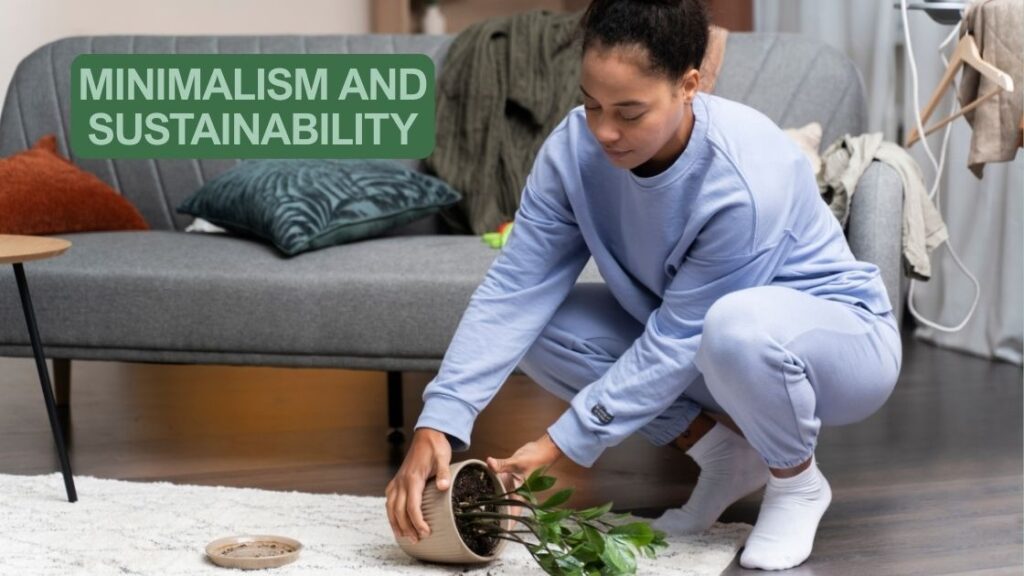
What Does Minimalism and Sustainability Actually Mean Together
At its core, minimalism and sustainability represent a shared philosophy of living with less while making choices that protect the planet. Minimalism encourages you to strip away the unnecessary and focus on what truly adds value to your life. Sustainability, on the other hand, is about making decisions that reduce your environmental footprint and preserve resources for future generations. When these two concepts merge inside your home, the result is a lifestyle rooted in intentional living, where every item you own and every habit you practice serves a clear purpose.
This combination is not about deprivation or giving up comfort. It is about choosing quality over quantity, reducing waste at the source, and building a home environment that supports both your personal well-being and the health of the planet. Together, minimalism and sustainability create a framework for conscious consumption that feels rewarding rather than restrictive.
The Growing Importance of a Minimalist Sustainable Lifestyle
Why More Households Are Making the Shift
Over the past decade, there has been a noticeable shift in how people think about their homes and possessions. Rising awareness of climate change, growing landfill crises, and the mental toll of clutter have pushed many families toward a more eco-conscious way of living. Minimalism and sustainability offer a practical response to these challenges by encouraging people to buy less, waste less, and live more deliberately.
The importance of this shift goes beyond personal preference. Every product you choose not to buy is one less item manufactured, shipped, and eventually discarded. When multiplied across millions of households, these small decisions create significant environmental impact. A minimalist sustainable home is not just a personal sanctuary; it is a contribution to a much larger movement toward responsible living and environmental stewardship.
The Connection Between Clutter and Carbon Footprint
Research consistently shows that the average household owns thousands of items, many of which are rarely or never used. This excess does not just take up physical space; it represents wasted energy, raw materials, and transportation emissions. By embracing minimalism and sustainability in your home, you directly reduce the demand for mass produced goods and lower your household’s overall carbon footprint. Fewer possessions mean fewer resources consumed, which is a win for both your living space and the environment.
Real Benefits You Can Expect at Home
When you actively practice minimalism and sustainability inside your home, the results are both immediate and long lasting. Here are five key benefits that people consistently report after making the transition.
- Lower monthly expenses because you stop purchasing items you do not genuinely need, freeing up money for experiences and savings.
- Reduced household waste as you shift toward reusable products, bulk buying, and mindful shopping that cuts down on packaging.
- A cleaner and calmer living space where every item has a purpose, making daily routines smoother and less stressful.
- Improved mental clarity since a decluttered environment has been shown to reduce anxiety and boost focus and productivity.
- A measurable positive environmental impact through lower energy use, less waste sent to landfills, and a smaller overall ecological footprint.
How to Practice Minimalism and Sustainability in Your Home
Step One: Audit Your Current Possessions
The first step is to take an honest look at everything you own. Go room by room and identify items that no longer serve a functional or emotional purpose. This audit helps you understand your consumption patterns and sets the foundation for more mindful purchasing habits going forward. Donate, recycle, or responsibly dispose of anything that no longer belongs in your life.
Step Two: Adopt Sustainable Replacements Gradually
You do not need to overhaul your entire home overnight. As items wear out or run out, replace them with sustainable alternatives. Switch to eco-friendly cleaning products, reusable kitchen essentials, and energy efficient appliances. This gradual approach aligns perfectly with the minimalist principle of being intentional rather than impulsive with every purchase you make.
Step Three: Build Daily Habits That Stick
Long term success with minimalism and sustainability depends on consistent daily habits. Small routines like meal planning to reduce food waste, turning off unused electronics, and carrying reusable bags and bottles add up to significant impact over time. The goal is to make sustainable living feel natural rather than like a chore.
Common Challenges and How to Overcome Them
No lifestyle shift comes without obstacles. Many people struggle with emotional attachment to possessions, pressure from consumer culture, or the misconception that sustainable products are always expensive. The secret is to begin with small steps and celebrate progress instead of chasing perfection. Minimalism and sustainability are personal journeys, and what works for one household may look very different for another.
It also helps to involve your entire household in the process. When everyone understands the reasons behind the changes, maintaining new habits becomes much easier and more enjoyable.
Practical Tips for Long Term Success
To keep your momentum going, consider these five practical tips that support a lasting minimalist and sustainable home.
- Implement a one in one out rule where every new item that enters your home means one old item leaves.
- Schedule seasonal decluttering sessions to prevent accumulation and keep your space refreshing and organized.
- Support local and ethical brands that align with your values of zero waste living and responsible production.
- Track your household waste and energy consumption monthly to see your real progress over time.

Why This Lifestyle Is Here to Stay
Minimalism and sustainability are far more than a passing trend. As environmental concerns intensify and people seek greater meaning in their daily lives, this combined approach offers a proven path toward balance, purpose, and positive impact. The real life results speak for themselves, and the beauty of this lifestyle is that it grows more rewarding the longer you practice it. Your home becomes not just a place to live but a reflection of your values and your commitment to a better future.
Conclusion
The evidence is clear: when you bring minimalism and sustainability into your home, the benefits extend far beyond a tidy living space. From lower monthly expenses and reduced household waste to improved mental clarity and a smaller environmental footprint, the real life results of this lifestyle shift are both meaningful and measurable. Every intentional choice you make, whether it is decluttering a room, switching to eco-friendly products, or simply buying less, contributes to a healthier home and a healthier planet.
What makes this journey so rewarding is that it does not require perfection. Small, consistent steps toward conscious consumption and intentional living create lasting change over time. Start with one room, one habit, or one sustainable swap, and let the momentum build naturally. The key is to stay committed to progress and trust that every effort counts.
As more families around the world embrace this approach, the collective impact on our environment and communities continues to grow. Minimalism and sustainability are not just personal choices; they represent a broader cultural shift toward living with greater purpose, responsibility, and awareness.
Whether you are a beginner exploring simple living for the first time or someone deepening your commitment to a green lifestyle, remember that the most important step is the one you take today. Choose less, live more, and let your home reflect the values that truly matter to you and to the world around you.