Discovering indoor plant leaves turning brown and yellow triggers immediate panic for plant parents watching their beloved houseplants deteriorate before their eyes. That alarming discoloration signals underlying problems requiring quick identification and targeted intervention for successful recovery.
This comprehensive guide explores proven diagnostic methods and troubleshooting techniques that identify root causes behind leaf discoloration systematically. You will discover how overwatering symptoms, nutrient deficiencies, and environmental stress create distinctive patterns revealing specific problems affecting your plants.
We examine light stress indicators, root rot signs, and humidity imbalances that manifest through brown and yellow leaf changes progressively. From understanding chlorosis patterns to recognizing pest damage, these scientific approaches solve indoor plant leaves turning brown and yellow problems effectively. Learning this diagnostic framework transforms worried guessing into confident plant care ensuring rapid recovery and restored health for struggling houseplants throughout your home.
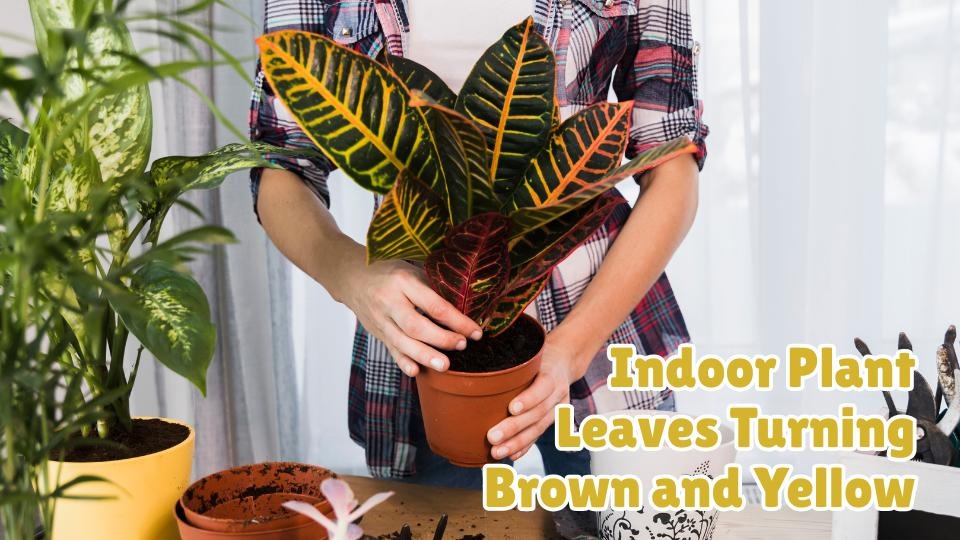
Understanding Why Indoor Plant Leaves Turning Brown and Yellow
Leaf discoloration serves as a communication system through which plants signal internal distress and environmental problems to observant caretakers. Healthy green coloration depends on chlorophyll production requiring proper nutrient supply, adequate light, and balanced moisture levels consistently. Understanding indoor plant leaves turning brown and yellow begins with recognizing how disruptions to these essential factors manifest visually.
Chlorosis describes yellowing caused by insufficient chlorophyll production often resulting from nutrient deficiencies or root system dysfunction. Brown discoloration typically indicates tissue death from various stressors including dehydration, chemical burns, or disease progression. Different patterns and locations of discoloration provide diagnostic clues revealing specific underlying causes accurately.
Early intervention prevents minor issues from escalating into fatal conditions affecting overall plant survival rates. Learning to read these visual distress signals empowers quick corrective action saving struggling houseplants effectively.
Overwatering Symptoms and Root Rot Damage
Overwatering represents the most common cause of indoor plant leaves turning brown and yellow among inexperienced plant parents. Excessive moisture suffocates roots by eliminating oxygen pockets essential for cellular respiration and nutrient uptake. This oxygen deprivation triggers yellowing that progresses rapidly without intervention.
Root rot develops when saturated conditions allow fungal pathogens to attack weakened oxygen-starved root tissues aggressively. Infected roots turn brown and mushy losing their ability to absorb water and nutrients effectively. Above-ground symptoms include widespread yellowing, wilting despite wet soil, and eventual brown leaf death.
Diagnostic indicators of overwatering damage include these telltale signs:
- Yellow leaves starting from lower older foliage and progressing upward gradually
- Soft mushy stems near soil level indicating rot spreading from roots
- Foul odor emanating from soil suggesting fungal infection and decomposition
- Soil remaining wet for extended periods after watering indicating poor drainage
- Leaf drop occurring despite soil moisture appearing adequate visually
Recognizing these symptoms early enables corrective action before root systems sustain irreversible damage completely.
Underwatering Stress and Dehydration Patterns
Insufficient watering creates dehydration stress that manifests differently than overwatering symptoms in affected houseplants. Indoor plant leaves turning brown and yellow from underwatering typically display crispy brown edges while maintaining green centers initially. This pattern results from plants sacrificing leaf margins to preserve central tissues during water scarcity.
Severely dehydrated plants develop entirely yellow then brown leaves as cells die from moisture deprivation progressively. Soil pulling away from container edges and lightweight pots indicate critically dry conditions requiring immediate attention.
Distinguishing Underwatering from Overwatering
Yellow leaves from underwatering feel dry and crispy while overwatering produces soft limp yellowing foliage distinctly. Soil moisture assessment using finger testing or moisture meters confirms which watering imbalance affects your specific plant accurately.
Indoor plant leaves turning brown and yellow require correct diagnosis since treating underwatering like overwatering worsens problems dramatically. Always verify soil conditions before adjusting watering routines responding to discoloration symptoms observed.
Recovery Techniques for Dehydrated Plants
Thoroughly water dehydrated plants until liquid drains from bottom holes ensuring complete root zone rehydration. Severely stressed plants benefit from humidity increases and reduced light intensity during recovery periods temporarily.
Nutrient Deficiencies Causing Chlorosis Patterns
Essential nutrient shortages create distinctive chlorosis patterns that trained observers recognize identifying specific deficiency types accurately. Nitrogen deficiency causes overall pale yellowing starting from older lower leaves as mobile nutrients relocate upward. Understanding indoor plant leaves turning brown and yellow includes recognizing these nutritional distress signals.
Iron deficiency produces interveinal chlorosis where leaf tissue yellows while veins remain green creating distinctive patterns. This condition commonly affects plants in alkaline soil conditions that limit iron availability despite adequate soil content.
Magnesium deficiency similarly creates interveinal yellowing but typically affects older leaves first unlike iron deficiency patterns. Regular fertilizing with balanced houseplant formulas prevents most nutritional deficiencies from developing in container grown plants.

Environmental Stress and Light Problems
Environmental factors including light stress, temperature extremes, and humidity imbalances trigger leaf discoloration in sensitive houseplants. Excessive direct sunlight scorches leaves creating brown patches and bleached yellowing on exposed surfaces. Indoor plant leaves turning brown and yellow from light stress display damage primarily on sides facing windows directly.
Insufficient light causes pale yellow coloration as chlorophyll production decreases without adequate energy for photosynthesis. Plants stretch toward available light while lower shaded leaves yellow and drop from reduced usefulness.
Temperature stress from cold drafts, heating vents, or sudden fluctuations damages sensitive tropical houseplant foliage. Brown leaf edges and yellowing often trace to placement near air conditioning units or drafty windows problematically.
Pest Damage and Disease Recognition
Pest infestations cause localized yellowing and browning as insects feed on plant tissues extracting nutrients and fluids. Spider mites create stippled yellowing patterns while scale insects cause yellow spots beneath their feeding locations. Indoor plant leaves turning brown and yellow from pest damage requires identification and treatment of underlying infestations.
Fungal and bacterial diseases produce brown spots often surrounded by yellow halos indicating infection spread through leaf tissues. These diseases thrive in humid conditions with poor air circulation spreading between plants rapidly.
Inspect plants regularly for pest presence checking leaf undersides where many insects hide protected from observation. Isolate affected plants immediately preventing infestation spread to healthy houseplants nearby. Early detection enables treatment before populations explode causing widespread damage throughout your entire indoor plant collection requiring extensive intervention and recovery efforts for successful restoration of plant health and beauty.
Conclusion:
Saving struggling houseplants requires systematic diagnosis identifying specific causes behind alarming leaf discoloration. Understanding indoor plant leaves turning brown and yellow involves recognizing overwatering symptoms, nutrient deficiencies, environmental stress, and pest damage through distinctive chlorosis patterns and browning locations. By examining root rot signs, evaluating light stress indicators, and assessing humidity imbalances, you pinpoint exact problems requiring targeted intervention. Remember that early detection enables successful recovery before damage becomes irreversible permanently. Embrace indoor plant leaves turning brown and yellow as diagnostic opportunities rather than death sentences, applying proven troubleshooting methods that restore health and vibrant green foliage to your beloved houseplant collection confidently.