When I first searched for how to start growing vegetables, I had no backyard experience, no fancy tools, and honestly, no clue where to begin. All I had was a small patch of soil, a handful of seeds, and a stubborn desire to eat something I had grown with my own hands. That single decision changed my relationship with food forever.
If you are a complete beginner feeling overwhelmed by gardening advice, trust me I have been exactly where you are. My first vegetable garden was full of mistakes: overwatered tomatoes, overcrowded raised beds, and herbs that never survived past the first week. But every failure taught me something valuable, and those lessons are exactly what I want to share with you today.
This article is not a generic guide written from a textbook. It is a real, experience-based walkthrough on how to start growing vegetables at home, even if you have never touched a gardening trowel before. Whether you are working with a spacious backyard, a small balcony, or just a few containers on your windowsill, you will find practical advice that actually works.
Throughout this guide, you will learn how to choose the right vegetable garden for beginners, prepare your garden soil properly, pick the easiest vegetables to grow, understand basic organic gardening practices, and avoid the common beginner gardening mistakes that cost me an entire season. We will also cover essential container gardening tips for those with limited space.
By the end, you will have a clear, step-by-step path to confidently start growing vegetables at home no guesswork, no confusion, just honest lessons from someone who learned the hard way.
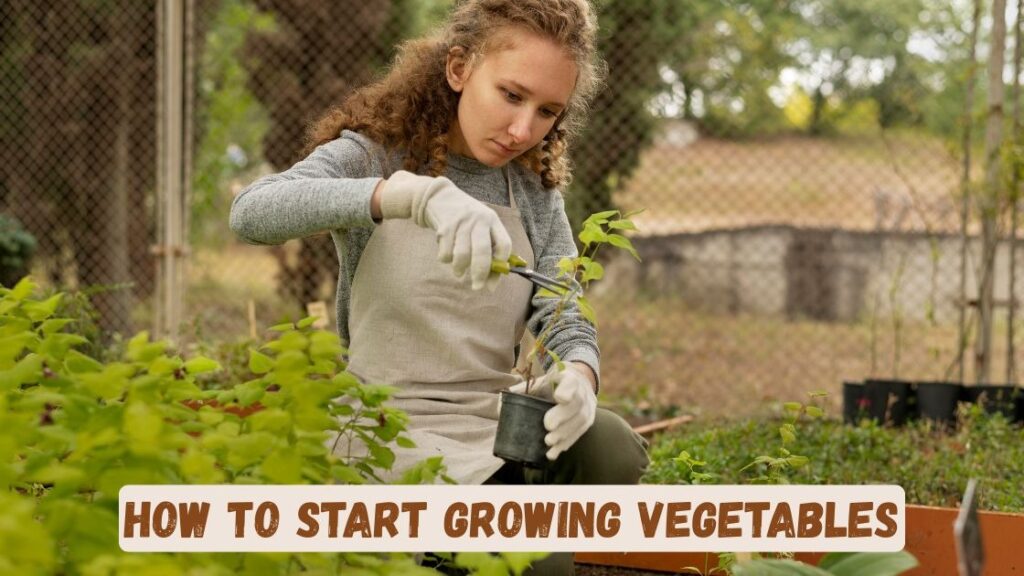
Why Learning How to Start Growing Vegetables Matters More Than Ever
Understanding how to start growing vegetables is no longer just a hobby it is a practical life skill. With rising grocery prices, concerns about pesticide use, and a growing awareness of where our food comes from, more people are turning to home gardening as a reliable solution. Growing your own produce gives you full control over what goes into your food, from the soil to the harvest.
Beyond saving money, vegetable gardening offers mental health benefits, physical activity, and a deep sense of accomplishment. When you learn how to start growing vegetables, you invest in your health, your family’s nutrition, and a more sustainable lifestyle. Whether you live in a rural area or a small urban apartment, this skill is accessible to almost everyone.
Understanding How to Start Growing Vegetables Before You Plant
What Does It Really Take to Grow Vegetables at Home
Many beginners overthink the process, assuming they need professional knowledge or expensive equipment. The truth is, knowing how to start growing vegetables begins with understanding just three core elements: sunlight, water, and healthy soil. Most vegetables need at least six to eight hours of direct sunlight daily, consistent watering, and nutrient rich garden soil to thrive.
You do not need a massive backyard either. Container gardening and raised bed gardening have made it possible to grow fresh produce on patios, balconies, and even windowsills. The key is to start small, stay consistent, and learn from each growing season.
Choosing the Right Season and Climate
Timing plays a critical role when you are figuring out how to start growing vegetables successfully. Cool season crops like lettuce, spinach, and peas grow best in early spring or fall, while warm season crops like tomatoes, peppers, and cucumbers prefer the heat of summer. Knowing your USDA hardiness zone helps you pick the right planting window and avoid frost damage.
If you are unsure about your local climate, check with your nearest agricultural extension office or use an online planting calendar. Planting at the right time can mean the difference between a thriving harvest and a failed crop.
Step by Step Process to Start Your First Vegetable Garden
Step 1: Pick Your Garden Location
The first practical step in how to start growing vegetables is selecting the best spot. Look for a location that receives plenty of sunlight, has good drainage, and is close enough to a water source for convenience. Avoid areas under large trees where roots compete for nutrients and shade blocks the sun.
Step 2: Prepare Your Soil Properly
Healthy garden soil is the foundation of every successful vegetable garden. Before planting, test your soil’s pH level and nutrient content. Most vegetables prefer slightly acidic to neutral soil with a pH between 6.0 and 7.0. Enrich your soil with organic compost, aged manure, or worm castings to boost fertility and improve drainage.
Step 3: Select Beginner Friendly Vegetables
When learning how to start growing vegetables, always begin with crops that are forgiving and easy to maintain. The following are five of the easiest vegetables to grow for first time gardeners:
- Tomatoes thrive in warm weather and produce generous harvests with minimal effort.
- Lettuce grows quickly and works perfectly in containers or small garden beds.
- Zucchini is incredibly productive and tolerates a range of growing conditions.
- Radishes mature in as little as 25 days making them ideal for impatient beginners.
- Green beans are low maintenance and add nitrogen back into the soil naturally.
Starting with these varieties builds your confidence and gives you early success, motivating you to expand your garden over time.
Step 4: Understand Watering and Feeding
Proper watering is one of the most important aspects of how to start growing vegetables correctly. Most vegetable plants need about one inch of water per week, but this varies depending on temperature, soil type, and plant species. Water deeply at the base of each plant in the early morning to reduce evaporation and prevent fungal diseases.
Feeding your plants with a balanced organic fertilizer every few weeks ensures they receive the nutrients needed for strong growth. Avoid over fertilizing, as this can burn roots and reduce fruit production.
Step 5: Manage Pests and Diseases Naturally
One of the biggest challenges when you learn how to start growing vegetables is dealing with pests. Instead of reaching for chemical sprays, try organic gardening methods that protect both your plants and the environment. Companion planting, neem oil sprays, and encouraging beneficial insects like ladybugs are all effective strategies.
Regularly inspect your plants for signs of damage, yellowing leaves, or unusual spots. Catching problems early is always easier and less costly than treating a full blown infestation.
Common Beginner Gardening Mistakes to Avoid
Even with the best intentions, most new gardeners make preventable errors. Recognizing these beginner gardening mistakes early saves you time, money, and frustration.
- Planting too many varieties at once overwhelms beginners and splits their attention.
- Ignoring soil health leads to weak plants that are prone to disease and poor yields.
- Overwatering causes root rot which is one of the top reasons vegetable plants die.
- Skipping mulch allows weeds to compete with your vegetables for water and nutrients.
- Planting in too much shade results in leggy stems and little to no fruit production.
Understanding how to start growing vegetables also means knowing what not to do. Learning from these common pitfalls helps you build a more productive and enjoyable garden from the very first season.
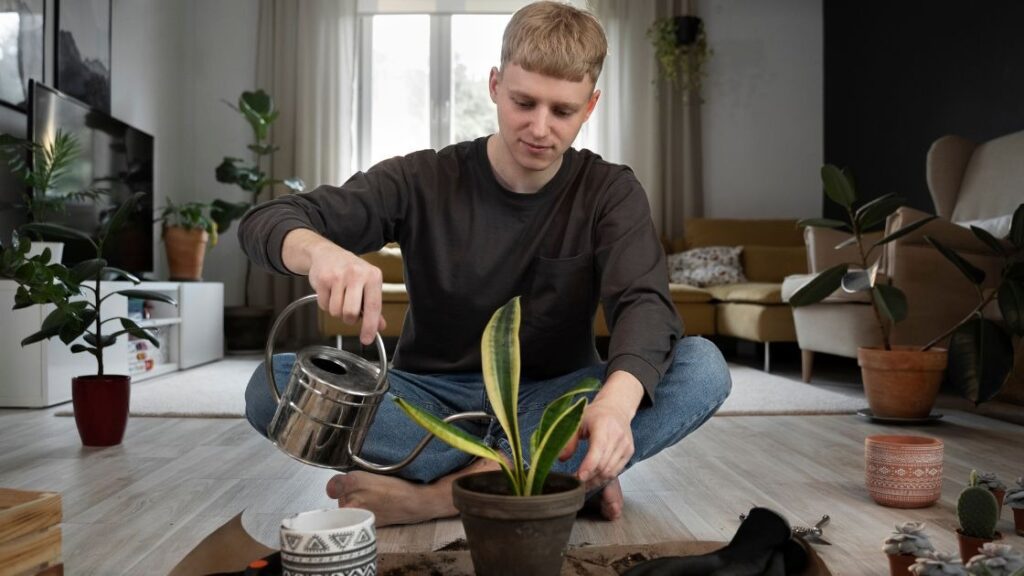
Tips to Keep Your Vegetable Garden Thriving
Once your garden is established, consistency is what separates a good garden from a great one. Keep a simple garden journal to track what you plant, when you water, and which varieties perform best. Rotate your crops each year to prevent soil depletion and reduce the risk of recurring pests.
Make Gardening a Daily Habit
Spending just 15 to 20 minutes each day in your garden helps you catch issues early and stay connected to your plants. Knowing how to start growing vegetables is the first step, but maintaining your garden with regular care is what ultimately leads to a bountiful harvest.
Also consider joining a local gardening community or online forum where you can ask questions, share your progress, and learn from experienced growers. The journey of growing your own food becomes even more rewarding when shared with others.
Mastering how to start growing vegetables does not happen overnight, but with patience, practice, and the right knowledge, anyone can enjoy the satisfaction of eating fresh produce straight from their own garden.
Conclusion
Learning how to start growing vegetables is not about being perfect from day one. It is about showing up, getting your hands dirty, and learning from every season. If my experience taught me anything, it is that every gardener, no matter how skilled, started exactly where you are right now with questions, uncertainty, and a simple desire to grow something real.
Throughout this guide, we covered everything you need to confidently take that first step. From choosing the right beginner friendly vegetables and preparing nutrient rich garden soil to understanding proper watering techniques and avoiding the most common gardening mistakes, you now have a solid foundation to build upon. These are not textbook theories. They are real lessons shaped by trial, error, and eventually, a thriving garden.
The beauty of growing vegetables at home is that it rewards you in more ways than one. You get fresher, healthier produce on your table. You save money over time. You develop a deeper connection with nature. And perhaps most importantly, you gain a skill that stays with you for life. Whether you are working with a full backyard, a few raised garden beds, or simple containers on a balcony, the process remains the same. Start small, stay consistent, and do not fear failure.
There is no perfect time to begin. The best moment to start growing vegetables is right now, with whatever space and resources you have. Pick one or two easy crops, follow the steps outlined above, and trust the process. Your future self, enjoying a salad made entirely from your own garden, will thank you for starting today.