Understanding how much water do indoor plants need eliminates the guesswork that causes countless houseplant deaths through overwatering and underwatering mistakes. That confusion about proper watering amounts ends when you understand the science behind root zone hydration and moisture requirements.
This comprehensive guide explores the scientific principles governing plant water absorption, soil moisture levels, and transpiration rates that determine precise watering needs. You will discover how factors including pot size, humidity conditions, and seasonal changes influence hydration requirements for different houseplant species.
We examine advanced moisture measurement techniques, species specific watering protocols, and environmental adjustments ensuring perfect hydration consistently. From understanding root zone saturation to recognizing overwatering symptoms, these proven methods answer how much water do indoor plants need accurately. Learning this hydration science transforms uncertain watering routines into confident precise practices that keep your houseplants thriving beautifully year round.
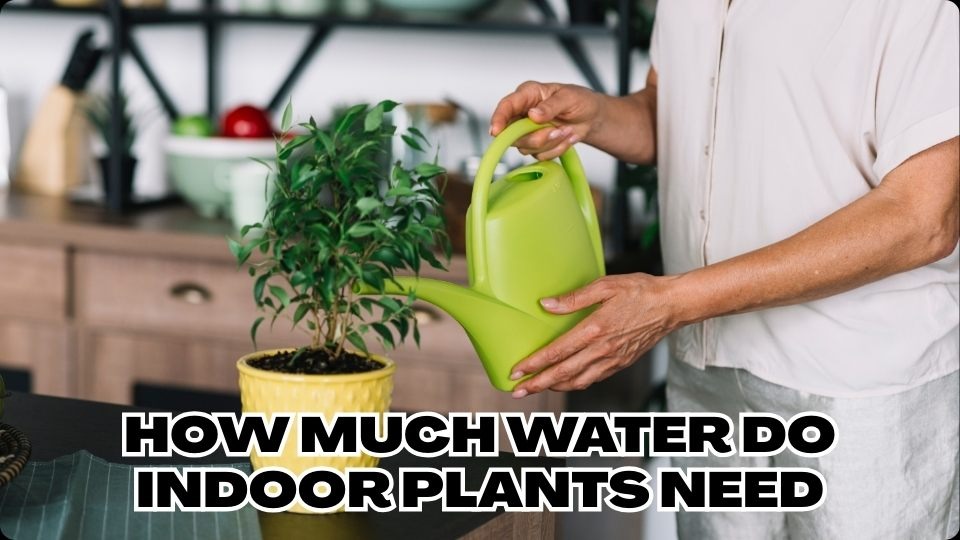
Understanding the Science of Plant Water Absorption
Plants absorb water through root systems that transport moisture upward through stems to leaves where transpiration occurs continuously. This biological process requires consistent hydration without excessive saturation that damages delicate root tissues. Understanding how much water do indoor plants need begins with recognizing this fundamental absorption and evaporation cycle.
Related Article: 10 Best Indoor Air Purifying Plants to Keep Your Home Fresh and Healthy
Root zone hydration determines overall plant health since roots require both moisture and oxygen for proper cellular function. Waterlogged soil eliminates air pockets suffocating roots and creating conditions for devastating root rot development. Conversely insufficient water causes cellular dehydration that manifests as wilting drooping and eventual tissue death.
Each houseplant species evolved different water absorption capabilities based on their natural habitat conditions. Tropical plants typically require more frequent watering than desert succulents adapted to drought survival strategies.
Factors That Determine Watering Requirements
Multiple environmental and physical factors influence how much water do indoor plants need for optimal health maintenance. Understanding these variables allows precise watering adjustments rather than following generic schedules that ignore individual circumstances. Scientific watering approaches consider all contributing factors simultaneously.
Pot size significantly affects watering frequency since larger containers retain moisture longer than smaller pots drying quickly. Soil moisture levels remain stable longer in bigger containers while compact pots require more frequent attention consistently.
Critical factors affecting plant hydration include these important considerations:
- Container material influences evaporation rates with terracotta drying faster than plastic or ceramic pots
- Soil composition determines drainage speed and moisture retention capabilities directly affecting watering needs
- Plant size and leaf surface area affect transpiration rates requiring adjusted water volumes accordingly
- Room temperature accelerates evaporation in warmer environments requiring increased watering frequency
- Humidity conditions slow transpiration in moist air while dry heated rooms increase water consumption dramatically
Evaluating these factors provides accurate answers to how much water do indoor plants need specifically.
Moisture Measurement Techniques for Accurate Watering
Reliable moisture measurement techniques eliminate guesswork ensuring plants receive appropriate hydration consistently without dangerous extremes. Simple testing methods provide immediate feedback about current soil conditions guiding watering decisions accurately. Learning these techniques transforms uncertain plant care into confident scientific practice.
The finger test remains the most accessible moisture measurement technique requiring no special equipment whatsoever. Insert your finger two inches into soil assessing moisture levels through touch sensitivity directly.
Using Moisture Meters Effectively
Electronic moisture meters provide precise readings displaying soil moisture levels on numerical scales for easy interpretation. Insert the probe into root zone areas avoiding surface measurements that misrepresent deeper soil conditions inaccurately. These affordable tools answer how much water do indoor plants need with scientific precision.
Calibrate meters periodically ensuring accurate readings that guide proper watering decisions reliably over time. Different soil compositions affect meter readings requiring familiarity with your specific potting mix characteristics.
Weight Assessment Method
Lifting containers before and after watering teaches you how properly hydrated pots feel compared to dry conditions. This tactile learning develops intuitive understanding of watering needs without requiring any measurement tools whatsoever. Experienced plant parents often rely on weight assessment as their primary moisture evaluation method.
Recognizing Overwatering and Underwatering Symptoms
Plants communicate hydration problems through visible symptoms that observant caretakers learn to recognize before serious damage occurs. Early intervention prevents minor issues from escalating into fatal conditions affecting overall plant survival rates. Understanding how much water do indoor plants need includes recognizing these warning signs.
Overwatering symptoms include yellowing leaves, mushy stems, fungal growth on soil surfaces, and foul odors indicating root rot development. These signs demand immediate watering reduction and potentially emergency repotting to save affected plants.
Underwatering symptoms present as crispy brown leaf edges, wilting despite adequate light, and soil pulling away from container edges visibly. These plants require thorough hydration followed by adjusted watering schedules preventing future dehydration episodes.
Seasonal Changes and Watering Adjustments
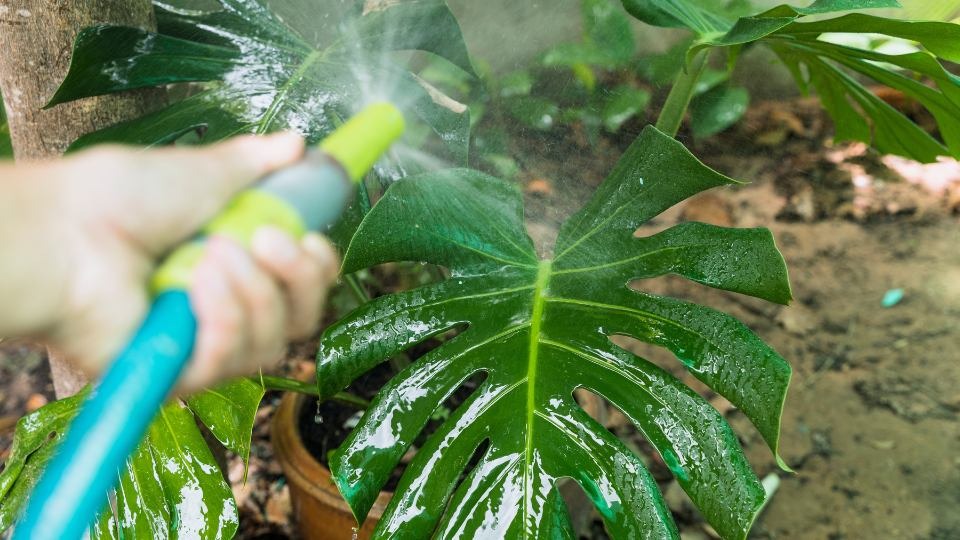
Houseplants experience growth cycles that fluctuate with seasonal changes requiring corresponding watering schedule modifications throughout the year. Summer growth spurts demand increased hydration while winter dormancy periods require significantly reduced watering frequency. Understanding how much water do indoor plants need changes dramatically across seasons.
Spring and summer active growth phases increase transpiration rates as plants produce new leaves and expand root systems energetically. Warmer temperatures and longer daylight hours accelerate metabolic processes demanding more frequent watering consistently.
Fall and winter bring reduced growth rates and slowed metabolic activity decreasing overall water consumption substantially. Continuing summer watering schedules during dormancy creates dangerous overwatering conditions that cause root rot problems frequently.
Creating Personalized Watering Schedules
Developing individualized watering schedules for each plant ensures appropriate hydration based on specific species requirements and environmental conditions. Generic weekly watering recommendations fail because they ignore crucial variables affecting moisture needs differently. Answering how much water do indoor plants need requires personalized assessment.
Document watering dates and plant responses in simple journals identifying patterns and optimal frequencies over time. This tracking reveals which plants need more attention and which thrive with minimal intervention clearly.
Group plants with similar watering requirements together simplifying care routines and preventing accidental over or underwatering mistakes. Tropical humidity lovers can share spaces while drought tolerant succulents occupy separate drier locations appropriately.
Adjust schedules whenever environmental conditions change including seasonal transitions, heating system activation, or plant relocation within your home. These adjustments maintain optimal soil moisture levels despite changing circumstances affecting transpiration rates and plant water absorption continuously throughout the year.
Conclusion:
Mastering proper hydration techniques transforms struggling houseplants into thriving green beauties throughout your home. Understanding how much water do indoor plants need depends on multiple factors including soil moisture levels, pot size, humidity conditions, and seasonal changes affecting transpiration rates. By implementing moisture measurement techniques and recognizing overwatering symptoms before damage occurs, you prevent the root rot disasters that kill countless houseplants annually. Remember that each species requires individualized watering protocols based on their natural habitat origins. Embrace how much water do indoor plants need as scientific knowledge rather than guesswork, ensuring your plant water absorption supports healthy root zone hydration and lush growth consistently.