Building healthy soil for garden success goes far beyond simply adding compost or fertilizer it demands a deep understanding of the invisible biological world beneath your feet. The secret lies in soil microbial diversity, where billions of organisms form complex relationships that determine how nutrients move, water retains, and roots communicate. This article explores how mycorrhizal fungal networks serve as nature’s underground internet, transferring essential resources between plants and soil organic matter in ways conventional gardening methods completely overlook.
You will discover advanced regenerative soil practices that activate these biological pathways, dramatically improving nutrient cycling and long-term fertility. Whether you are restoring degraded land or elevating an existing plot, understanding healthy soil for garden ecosystems at the microbial level transforms everything. Let us dive into the science that separates amateur gardeners from true soil specialists.
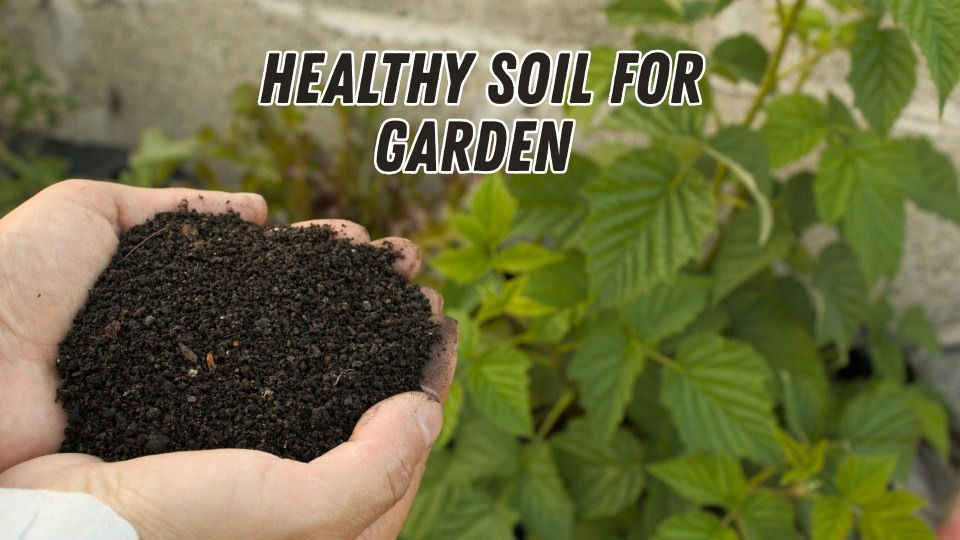
Understanding the Science Behind Healthy Soil for Garden Ecosystems
The foundation of healthy soil for garden success lies in understanding what happens beneath the surface at a microscopic level. Living soil operates as a complex biological network where bacteria, fungi, protozoa, and nematodes interact continuously to process nutrients, suppress disease, and regulate moisture levels. Soil microbial diversity determines the resilience and productivity of any growing environment, whether it is a small raised bed or an expansive permaculture site designed for food production.
When these microbial communities thrive, they convert soil organic matter into forms that roots can absorb with remarkable efficiency. This biological conversion process is precisely what separates genuinely fertile ground from lifeless dirt that depends entirely on external chemical inputs to produce anything of value.
What Defines Living Soil at the Microbial Level
Living soil is characterized by the presence of active fungal and bacterial populations working in symbiosis with plant roots. Mycorrhizal fungal networks form partnerships with roughly 90 percent of terrestrial plant species, extending the effective root zone by several hundred percent. These fungi access phosphorus, zinc, copper, and other essential minerals locked in soil particles that roots alone simply cannot reach.
Understanding this underground architecture is critical for anyone pursuing advanced soil management. Without these biological relationships in place, even premium compost and costly amendments will consistently underperform over time.
The Historical Evolution of Soil Biology in Agriculture
How Ancient Civilizations Recognized Soil as a Living System
Ancient farming cultures intuitively understood that soil was far more than inert material. Egyptian agriculture depended on seasonal Nile flood deposits that naturally replenished nutrient cycling processes each year. Chinese rice cultivation systems, refined over thousands of years, incorporated organic residues that unknowingly nourished soil microbial diversity beneath the waterlogged paddies.
The industrial era shifted focus toward synthetic chemistry, and the biological understanding of soil was largely forgotten for decades. Modern regenerative soil practices are now reclaiming that ancestral wisdom, merging traditional knowledge with contemporary microbiology to rebuild what industrial farming systematically degraded across the globe.
Why Healthy Soil for Garden Productivity Matters in the Current Era
Global soil degradation currently affects an estimated 40 percent of agricultural land worldwide. For gardeners committed to producing genuinely nutritious food, creating healthy soil for garden beds is no longer a luxury or a hobby interest. Depleted ground produces weaker plants, demands significantly more water, and leaves crops vulnerable to pest and disease pressure that biologically active ecosystems naturally resist without intervention.
How Mycorrhizal Connections Transform Plant Nutrition
Mycorrhizal fungal networks function as biological transport systems, moving nutrients and even chemical warning signals between connected plants across considerable distances. Published research confirms that plants linked through these networks demonstrate stronger immune responses and significantly greater drought tolerance under stress conditions. Nutrient cycling accelerates when fungal populations fully establish themselves, dramatically reducing dependence on purchased fertilizer products.
This biological infrastructure is especially valuable for those developing healthy soil for garden spaces without relying on synthetic interventions. Once properly established, the fungal architecture performs much of the nutrient delivery work automatically and continuously.
Key Benefits of Prioritizing Healthy Soil for Garden Longevity
Investing in soil biology delivers returns that compound over time, far outperforming any chemical shortcut available on the market today. The following advantages emerge when gardeners commit fully to building living soil systems.
- Water retention improves naturally as soil organic matter content rises, often reducing irrigation needs by 20 to 25 percent within just two growing seasons.
- Disease suppression strengthens because diverse microbial populations actively outcompete harmful pathogens for territory and resources throughout the root zone.
- Nutrient cycling becomes increasingly self-sustaining over successive seasons, delivering a continuous supply of minerals to plants without repeated amendment applications.
- Carbon sequestration occurs at the garden scale when regenerative soil practices promote deep root development and fungal biomass accumulation below ground level.
- Crop flavor and nutritional density improve measurably when roots access a broader spectrum of trace elements through established mycorrhizal fungal networks.
Each growing season builds upon the previous one, creating a positive feedback loop of increasing fertility and soil stability.
Common Challenges When Developing Healthy Soil for Garden Projects
Despite clear advantages, several obstacles frequently discourage gardeners from committing to biological soil management over the long term. Tilling remains one of the most destructive common practices, physically shredding fungal networks that required months of careful development. Chemical fertilizers and broad spectrum pesticides suppress the very organisms responsible for sustaining long term soil health and natural fertility.
Impatience presents another significant challenge for many growers. Transitioning to regenerative methods typically requires two to three complete growing seasons before consistent improvements become clearly visible. During this adjustment period, yields may temporarily decline as microbial populations rebuild their networks and gradually stabilize across the soil profile.
Overcoming Soil Degradation Through Regenerative Approaches
The most effective recovery strategy combines cover cropping, quality composting, and minimal soil disturbance into a unified management system. Planting diverse species above ground directly increases soil microbial diversity below ground by feeding different microbial groups through varied root exudates and organic residues.
Mulching with organic materials protects surface biology from temperature extremes and moisture loss throughout the year. Over time, these layered practices restore the conditions necessary for healthy soil for garden environments to sustain themselves with minimal external intervention from the gardener.

Real World Examples of Successful Soil Transformation
Community gardens across Detroit have demonstrated that severely degraded urban land can be transformed into highly productive growing space within three years using strictly biological methods. Gardeners participating in these projects reported measurable improvements in crop quality and a dramatic reduction in pest pressure after establishing fungal dominant soil food webs through consistent regenerative management.
Similarly, permaculture practitioners in arid regions of Australia have documented how restoring healthy soil for garden plots in harsh climates reduced water consumption by over 30 percent compared to conventionally managed beds nearby. These compelling results confirm that biological soil management works effectively across vastly different climates and growing conditions when applied with patience, scientific understanding, and genuine commitment to the process.
Conclusion:
Achieving healthy soil for garden environments requires a fundamental shift from chemical dependency toward biological intelligence rooted in soil microbial diversity and mycorrhizal fungal networks. The science is clear that nurturing living organisms beneath the surface delivers compounding returns in fertility, disease resistance, and water efficiency over successive growing seasons. Regenerative soil practices combined with minimal disturbance allow nutrient cycling and soil organic matter accumulation to function as nature intended. Building healthy soil for garden longevity is not a quick weekend project but a rewarding commitment that transforms ordinary growing spaces into self-sustaining ecosystems. Every gardener who embraces this path contributes to restoring healthy soil communities and the broader environment simultaneously.