The healing power of art goes far beyond simple creative enjoyment, reaching deep into the neurological pathways that govern human emotion and recovery. For centuries, civilizations have recognized that creative expression and emotional healing share an inseparable bond, yet only recently has modern science begun explaining why this profound connection truly exists. Today, researchers and therapists worldwide are exploring how art therapy for mental health can reshape brain chemistry and accelerate psychological recovery in remarkable ways.
This guide dives into the neuroscience of art therapy and reveals how the healing power of art influences neural plasticity, stress reduction, and emotional regulation at a biological level. You will discover the therapeutic benefits of art supported by clinical studies, real patient outcomes, and expert perspectives from leading practitioners in the field.
Whether you are a therapist, patient, or simply curious about how creativity transforms wellbeing, understanding the healing power of art offers insights that can reshape your perspective on recovery. This exploration of healing power of art as medicine will challenge everything you assumed about conventional treatment approaches and open extraordinary doors.
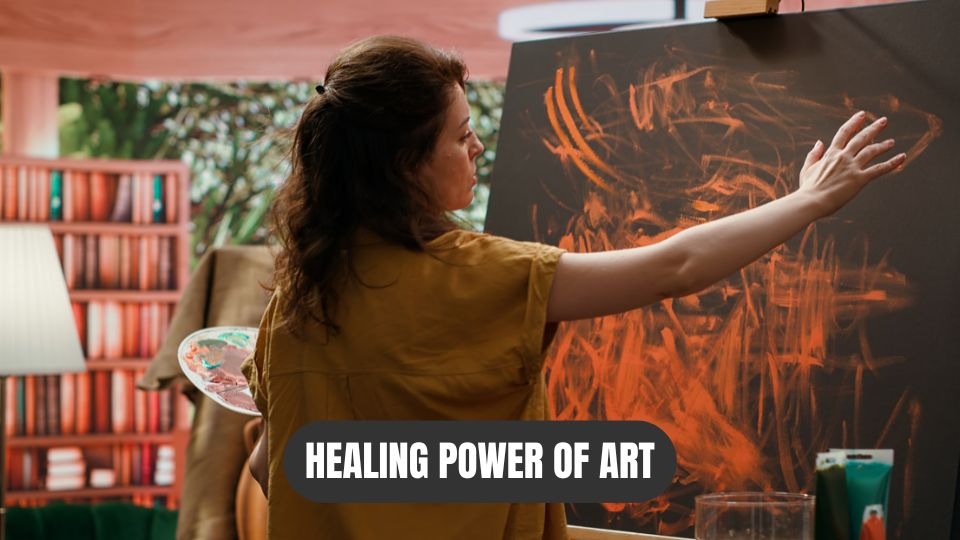
What Is the Healing Power of Art and Why Does It Matter?
The healing power of art refers to the scientifically supported ability of creative activities to promote psychological, emotional, and even physical recovery in individuals facing various health challenges. This concept extends beyond casual hobby painting or sketching and enters the realm of structured therapeutic intervention guided by trained professionals who understand how visual and expressive mediums influence the human brain.
Art therapy for mental health has gained tremendous recognition within clinical psychology and rehabilitation sciences over the past two decades. Licensed therapists now prescribe creative activities alongside traditional treatments, recognizing that artistic engagement activates neural circuits responsible for emotional processing and self awareness in ways that verbal therapy alone sometimes cannot achieve.
The Historical Roots of Art as a Therapeutic Tool
The connection between creativity and wellness stretches back thousands of years. Ancient Greek physicians recommended music and theatrical performance as remedies for melancholy and psychological distress. During the Renaissance period, scholars observed that artists who engaged deeply in their craft demonstrated notable emotional resilience compared to their non creative peers.
The formal discipline of art therapy for mental health emerged during the mid twentieth century when psychologists like Margaret Naumburg began integrating drawing and painting into psychoanalytic treatment. Her pioneering work demonstrated that patients could express unresolved trauma through imagery when words failed them entirely. This historical foundation established the healing power of art as a legitimate clinical approach rather than merely an alternative wellness trend.
The Neuroscience Explaining How Art Heals the Brain
Understanding the neuroscience of art therapy reveals why creative engagement produces measurable changes in brain function and emotional regulation. When a person engages in painting, sculpting, or drawing, the prefrontal cortex and amygdala interact in unique ways that reduce cortisol levels and promote the release of dopamine and serotonin. These neurochemical shifts create a natural calming effect that mirrors outcomes typically associated with meditation and mindfulness practices.
Research published in leading psychiatric journals has confirmed that consistent artistic engagement strengthens neural plasticity, which is the brain’s ability to form new connections and adapt after injury or trauma. This biological mechanism explains why the healing power of art proves especially effective for individuals recovering from stroke, post traumatic stress disorder, and chronic anxiety conditions.
How Creative Expression Rewires Emotional Responses
Creative expression and emotional healing share a deeply interconnected relationship at the neurological level. When patients translate painful memories into visual form, the brain begins processing those experiences through new pathways that bypass the verbal limitations often encountered during conventional talk therapy. The neuroscience of art therapy demonstrates that this visual processing allows individuals to confront and reframe traumatic experiences with reduced emotional intensity.
This rewiring effect explains why therapeutic benefits of art extend beyond temporary mood improvement into lasting psychological transformation. Patients who engage consistently in creative therapeutic programs often report sustained reductions in anxiety and depressive symptoms over months and even years following treatment.
Key Benefits of Understanding the Healing Power of Art
Recognizing the therapeutic benefits of art at a clinical and personal level unlocks advantages that influence every dimension of human wellbeing. Here are the most significant benefits supported by research and clinical observation.
- Emotional regulation improves significantly because creative activities activate the parasympathetic nervous system, which counteracts stress responses and promotes internal calm during periods of heightened anxiety or emotional turbulence
- Cognitive function receives measurable enhancement as artistic engagement stimulates both hemispheres of the brain simultaneously, strengthening memory retention, problem solving abilities, and mental flexibility across all age groups
- Physical recovery accelerates in patients who incorporate art as medicine into their rehabilitation programs because reduced stress hormones allow the immune system to function more efficiently during the recovery process
- Social connection deepens through group creative sessions where individuals share vulnerabilities and build empathy naturally, fostering community bonds that combat isolation and loneliness effectively
- Self discovery expands as individuals uncover subconscious thoughts and emotions through their artwork, gaining personal insights that traditional verbal communication methods frequently fail to reveal
These benefits collectively demonstrate why the healing power of art deserves serious attention from healthcare providers, educators, and individuals seeking holistic approaches to wellness improvement.
Challenges in Recognizing Art as Legitimate Medicine
Despite growing scientific evidence, art as medicine continues facing skepticism within certain segments of the medical community. One primary challenge involves the difficulty of standardizing treatment outcomes. Unlike pharmaceutical interventions where dosage and chemical responses can be precisely measured, creative expression and emotional healing produce results that vary considerably between individuals.
Another obstacle involves funding and institutional support. Many healthcare systems prioritize evidence based treatments with extensive randomized controlled trial data, and while the neuroscience of art therapy continues generating compelling research, the volume of large scale clinical trials remains limited compared to traditional pharmacological studies.
Accessibility also presents a significant barrier. Art therapy for mental health requires trained practitioners who hold specialized certifications, and many regions lack sufficient numbers of qualified professionals to meet growing patient demand. Rural communities and underserved populations face the greatest gaps in accessing these therapeutic services despite often experiencing the highest rates of mental health challenges.
The healing power of art will only achieve mainstream medical acceptance when institutional investment in research and practitioner training matches the enthusiasm that patients and progressive clinicians already demonstrate toward this approach.
Real World Examples of Art Therapy in Practice
Clinical application of the healing power of art spans diverse populations and treatment settings. In veteran rehabilitation centers across multiple countries, painting and sculpture programs have helped former service members process combat trauma that resisted years of conventional psychotherapy. Participants frequently describe experiencing emotional breakthroughs during creative sessions that they never achieved through verbal counseling alone.
Pediatric hospitals represent another powerful example of therapeutic benefits of art in action. Children undergoing cancer treatment who participate in structured art programs demonstrate measurably lower anxiety levels and report less pain perception during invasive medical procedures. Creative expression and emotional healing merge naturally in these settings because children instinctively communicate complex feelings through imagery rather than language.
Community mental health organizations have also embraced art as medicine by offering open studio programs for adults managing chronic depression, bipolar disorder, and schizophrenia. These programs provide safe environments where participants explore their inner experiences through creative mediums while building social skills and personal confidence.
The healing power of art also appears in educational environments where school counselors use drawing and collage exercises to help students navigate grief, bullying, and family disruption. These real world applications confirm that creative expression and emotional healing work together across every age group and virtually every therapeutic context imaginable.
These examples collectively reinforce that the healing power of art is not an abstract philosophical concept but a practical, evidence supported approach to human recovery that continues expanding into new territories of clinical and community practice every year.
Conclusion
The journey through neuroscience, history, clinical applications, and real world examples reveals that the healing power of art represents far more than a creative pastime. It stands as a scientifically validated pathway toward genuine psychological and emotional transformation. From understanding how creative expression and emotional healing reshape neural pathways to witnessing art therapy for mental health change lives in hospitals, rehabilitation centers, and schools, the evidence speaks with undeniable clarity.
The neuroscience of art therapy continues strengthening the case for integrating creative interventions into mainstream healthcare systems worldwide. Recognizing the therapeutic benefits of art empowers individuals, therapists, and institutions to embrace approaches that address the whole person rather than isolated symptoms alone.
Now is the moment to acknowledge the healing power of art as a vital component of modern recovery and wellness. When art as medicine receives the respect it deserves, countless individuals will discover healing possibilities they never imagined existed within their own creativity.