Embracing chemical free gardening has become a scientifically driven discipline that goes far beyond simply avoiding synthetic sprays and hoping for the best. The modern approach relies on understanding how plants themselves produce powerful defensive compounds that suppress pests and inhibit competing weeds without any manufactured intervention. This article examines how allelopathic companion planting strategies create invisible biological shields across your growing space using nothing more than carefully selected species combinations. You will learn how natural pest management techniques rooted in agroecological principles allow gardeners to eliminate chemical dependency permanently.
We explore how fostering beneficial insect habitat alongside strategic organic soil amendment practices builds self regulating ecosystems that protect crops season after season. Whether you are transitioning away from conventional methods or deepening existing knowledge, understanding chemical free gardening at this scientific level elevates your results dramatically. True chemical free gardening mastery begins with the biology already present in your landscape.
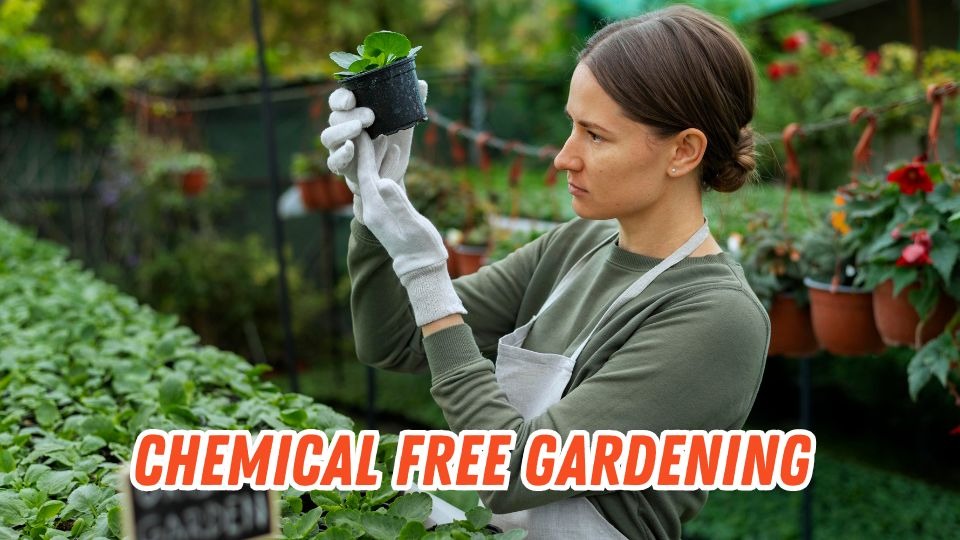
Understanding the Science Behind Chemical Free Gardening Practices
Chemical free gardening represents a comprehensive approach to cultivation that replaces synthetic pesticides, herbicides, and fertilizers with biologically driven strategies rooted in ecological science. This methodology operates on the principle that healthy ecosystems possess inherent self regulating mechanisms capable of managing pests, cycling nutrients, and suppressing weeds without manufactured chemical inputs of any kind.
The foundation of chemical free gardening lies in understanding how plant communities interact with soil organisms, insects, and atmospheric conditions to create balanced growing environments. Rather than treating symptoms with reactive spraying, this approach addresses root causes by designing gardens that function as interconnected living systems where every species serves a deliberate ecological purpose.
Defining Allelopathy and Its Role in Plant Defense
Allelopathy refers to the biological phenomenon where certain plants release biochemical compounds through roots, leaves, or decomposing residues that directly inhibit the germination or growth of surrounding organisms. Allelopathic companion planting harnesses this natural chemistry intentionally by positioning species that produce these suppressive compounds alongside vulnerable crops. Sunflowers, rye, marigolds, and certain legumes are among the most well documented allelopathic species that gardeners deploy strategically within chemical free systems to create invisible protective barriers across growing beds.
The Historical Roots of Ecological Growing Methods
How Indigenous Agricultural Systems Pioneered Natural Pest Control
Indigenous farming communities across the Americas practiced sophisticated natural pest management techniques thousands of years before modern agroecology emerged as a formal discipline. The Mesoamerican milpa system combined maize, beans, and squash in configurations that naturally deterred pests, fixed nitrogen, and suppressed weeds through physical shading and biochemical interactions between species.
Asian rice paddy systems similarly integrated fish, ducks, and specific aquatic plants to control insect populations without any synthetic intervention. These ancestral practices embodied agroecological principles long before scientists formally identified the biological mechanisms responsible for their remarkable effectiveness. Modern chemical free draws directly from this accumulated wisdom while adding contemporary scientific measurement and validation.
Why Chemical Free Gardening Matters for Contemporary Growers
Synthetic pesticide residues now contaminate groundwater supplies across agricultural regions worldwide, and pollinator populations continue declining at alarming rates directly linked to chemical exposure in residential and commercial landscapes. Adopting chemical free gardening practices is no longer merely a lifestyle preference. It represents an ecologically necessary response to measurable environmental degradation affecting food systems globally.
The Connection Between Soil Biology and Natural Defense Systems
Healthy soil contains billions of microorganisms that actively suppress pathogenic fungi, parasitic nematodes, and harmful bacteria through competition and predation. Organic soil amendment practices that feed these microbial communities create biological defense layers far more resilient than any single chemical application could achieve. When gardeners nurture beneficial insect habitat alongside thriving soil biology, they establish multilayered protection systems that strengthen autonomously over successive growing seasons.
Key Benefits of Scientifically Implemented Chemical Free Gardening
Transitioning to ecological growing methods delivers compounding advantages that extend far beyond simply avoiding toxic residues on harvested produce. The following outcomes consistently emerge when gardeners commit fully to science based natural cultivation practices.
- Pollinator populations recover and expand rapidly once chemical free gardening eliminates neonicotinoid and organophosphate exposure across the growing environment, directly increasing fruit set and seed production for all flowering crops.
- Beneficial insect habitat establishment attracts predatory species including lacewings, parasitic wasps, and ground beetles that provide continuous biological pest suppression without any ongoing gardener intervention required.
- Organic soil amendment applications over consecutive seasons build humus rich growing media that retains moisture, supports mycorrhizal colonization, and delivers nutrients through natural decomposition cycles rather than synthetic salt based formulations.
- Natural pest management costs decrease significantly after the initial establishment period because self regulating ecosystems require fewer purchased inputs compared to chemical dependent systems that demand repeated seasonal applications.
- Crop nutritional density and flavor complexity improve measurably when plants access diverse mineral profiles through biologically active soil rather than limited synthetic nutrient formulations that supply only primary macronutrients.
Common Challenges When Transitioning to Chemical Free Gardening Methods
The transition period presents genuine difficulties that discourage many gardeners before ecological systems fully establish themselves. Pest pressure often temporarily increases during the first two seasons as beneficial predator populations have not yet reached sufficient numbers to provide reliable natural pest management across the entire growing space.
Weed management without herbicides demands significantly more strategic planning and physical effort initially. Allelopathic companion planting requires precise species selection knowledge that many beginning practitioners lack, leading to ineffective combinations that fail to deliver expected suppressive results.
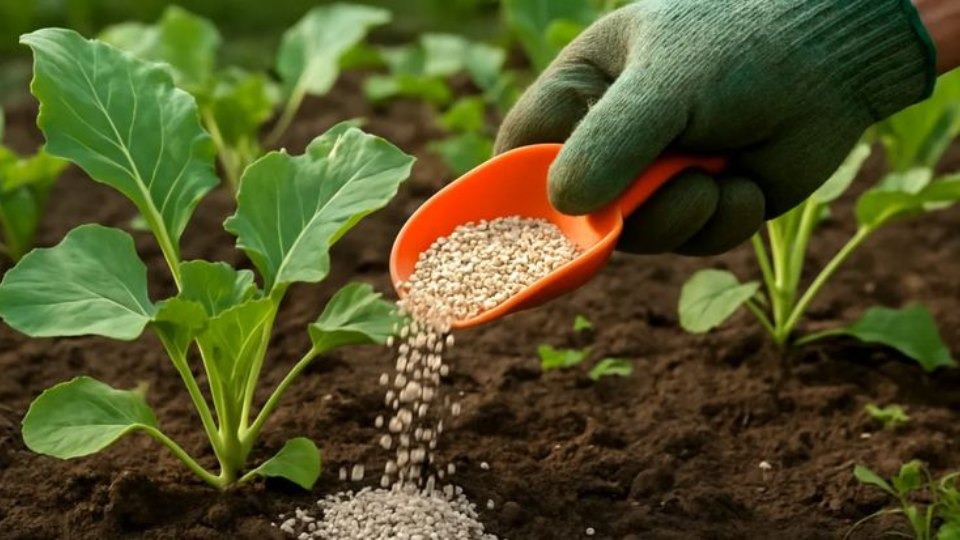
Overcoming the Transition Period Through Gradual Implementation
Starting with a single dedicated bed managed entirely through agroecological principles allows gardeners to observe biological processes firsthand without risking entire harvests. This incremental approach builds practical experience and confidence before expanding chemical free methods across the complete growing area. Documenting observations throughout each season creates invaluable personal reference data that informs increasingly effective decisions in subsequent years.
Real World Success Stories From Advanced Practitioners
Urban community gardens across Portland Oregon have demonstrated that chemical free methods produce yields comparable to conventionally managed plots within three growing seasons while simultaneously restoring beneficial insect habitat that had been absent from those neighborhoods for decades. Participating gardeners reported dramatic reductions in pest damage after establishing diverse allelopathic companion planting configurations combined with consistent organic soil amendment programs throughout the monitored trial period.
Research conducted at Rodale Institute spanning over four decades confirms that farms and gardens managed through agroecological principles consistently match or exceed conventional yields after the transition period while building soil organic matter levels that continue increasing indefinitely under proper biological management protocols.
Conclusion:
Embracing chemical free gardening through scientifically validated methods transforms ordinary growing spaces into self-sustaining ecosystems that protect both harvests and the surrounding environment simultaneously. Allelopathic companion planting combined with consistent organic soil amendment practices builds biological defense systems that strengthen autonomously with each passing season. Establishing beneficial insect habitat alongside thriving soil biology provides natural pest management capabilities that synthetic chemicals simply cannot replicate over the long term. Chemical free gardening guided by agroecological principles delivers compounding returns in soil fertility, crop quality, and ecological resilience that conventional methods consistently fail to match. Every gardener who commits to gardening at this scientific level contributes meaningfully toward healthier food systems and a genuinely sustainable future for generations ahead.