Discovering the best humidity level for houseplants separates struggling specimens from flourishing indoor gardens. Most houseplants originate from humid tropical environments where moisture surrounds foliage constantly, making indoor plant humidity requirements essential knowledge for serious cultivators. Insufficient atmospheric moisture triggers leaf browning, crispy edges, and stunted development that frustrates even dedicated plant parents.
This comprehensive guide examines optimal moisture levels across various plant families, helping you implement precise humidity control methods for your collection. You’ll explore how tropical houseplant care differs from arid species maintenance and learn practical strategies for achieving ideal indoor growing conditions. Whether you’re nurturing ferns, calatheas, or succulents, understanding humidity science transforms your approach to plant cultivation.
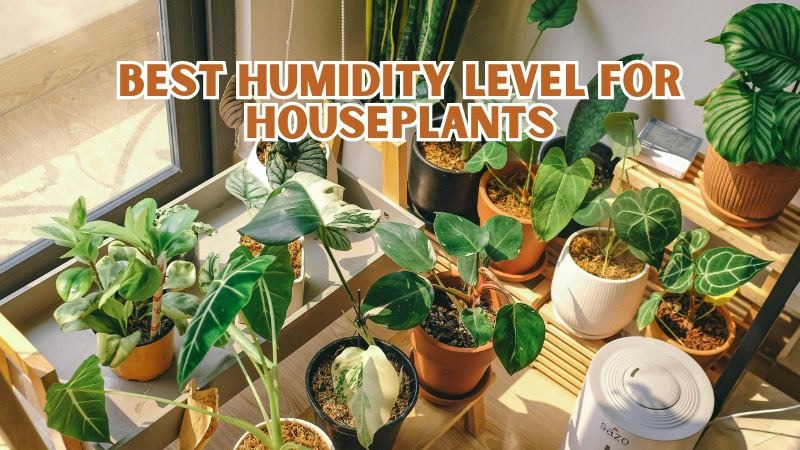
Understanding Best Humidity Level for Houseplants
Humidity refers to the concentration of water vapor present in the atmosphere surrounding your plants. When discussing the best humidity level for houseplants, we measure this factor as relative humidity, expressed as a percentage indicating how saturated the air is with moisture. Indoor environments typically range between 30 and 50 percent, which often falls below what many tropical specimens require for optimal functioning.
Plants interact with atmospheric moisture through tiny pores called stomata located on leaf surfaces. These openings regulate gas exchange and water loss through transpiration processes that directly impact overall plant vitality.
Historical Development of Indoor Humidity Management
The science of indoor plant humidity requirements emerged alongside Victorian conservatory culture during the 1800s. Wealthy collectors importing exotic specimens from tropical regions quickly discovered that heated indoor spaces lacked sufficient moisture for sensitive plants.
Early horticulturists developed rudimentary humidity control methods including gravel trays, misting routines, and grouped planting arrangements. These foundational techniques evolved into sophisticated modern approaches that serious plant enthusiasts continue refining today.
Why Moisture Levels Matter for Indoor Plants
Plants evolved specific adaptations based on their native environments. Tropical species developed thin leaves that efficiently absorb moisture from humid air, while desert plants feature thick waxy coatings that prevent water loss. Bringing these specimens indoors disrupts their natural moisture balance significantly.
The best humidity level for houseplants generally falls between 40 and 60 percent for most common varieties. However, tropical houseplant care often demands levels reaching 70 percent or higher for truly optimal results. Understanding these variations prevents common cultivation mistakes.
Physiological Effects of Inadequate Humidity
When atmospheric moisture levels drop below acceptable thresholds, plants respond through protective mechanisms that sacrifice growth for survival. Leaf edges brown and curl inward as cells dehydrate faster than roots can replenish moisture.
Transpiration rates increase dramatically in dry conditions, forcing plants to close stomata and halt photosynthesis. This metabolic slowdown weakens specimens over time, making them vulnerable to pest infestations and disease outbreaks.
Benefits of Proper Humidity Maintenance
Maintaining ideal indoor growing conditions through appropriate moisture levels delivers measurable improvements across your entire plant collection. Specimens receiving adequate humidity develop larger leaves, stronger stems, and demonstrate enhanced resistance to environmental stressors.
Consider these documented advantages of proper humidity management:
- Leaf surface area increases substantially when plants receive adequate atmospheric moisture supporting cellular expansion and chlorophyll development throughout growing seasons.
- Root systems strengthen because balanced transpiration rates reduce stress on water uptake mechanisms allowing efficient nutrient absorption.
- Flowering frequency improves dramatically when tropical specimens experience humidity levels mimicking their native rainforest habitats accurately.
- Pest resistance increases naturally as healthy well hydrated plants produce stronger defensive compounds against spider mites and other moisture loving insects.
- Overall growth rates accelerate when metabolic processes function without moisture related interruptions or protective slowdowns.
Species Specific Moisture Requirements
Different plant families require vastly different optimal moisture levels based on evolutionary adaptations. Understanding these variations helps you create appropriate microclimates within your indoor growing environment for diverse collections.
Ferns, calatheas, and orchids represent high humidity specimens requiring levels between 60 and 80 percent consistently. The best humidity level for houseplants like these demands dedicated humidity control methods beyond standard household conditions.
Low Versus High Humidity Specimens
Succulents, cacti, and snake plants thrive in drier conditions between 30 and 40 percent relative humidity. These desert adapted species actually suffer when exposed to excessive moisture that promotes fungal growth and root deterioration.
Grouping plants with similar houseplant moisture needs simplifies your plant humidity management approach significantly. This strategic arrangement allows targeted intervention without disrupting specimens preferring different conditions.
Common Challenges in Best Humidity Level for Houseplants
Achieving the best humidity level for houseplants presents practical difficulties that frustrate many indoor gardeners. Seasonal variations dramatically affect indoor moisture as heating systems during winter create exceptionally dry conditions throughout homes.
Summer air conditioning removes moisture from indoor air similarly, creating year round challenges for maintaining appropriate relative humidity for plants. Geographic location also influences baseline indoor moisture levels significantly.
Addressing Environmental Fluctuations
Modern homes with efficient insulation and climate control systems often maintain humidity levels below 40 percent consistently. This creates hostile conditions for moisture loving tropical specimens without intervention.
Monitoring equipment including digital hygrometers helps identify problem areas within your space. Strategic placement of humidity sources addresses localized deficiencies effectively when implemented thoughtfully.
Practical Implementation Strategies for Achieving Best Humidity Level for Houseplants
Creating stable moisture conditions requires combining knowledge with appropriate tools and moisture retention techniques. Humidifiers represent the most effective solution for larger collections, delivering consistent output that maintains desired levels automatically.
Pebble trays filled with water placed beneath plant containers provide localized humidity boosts through evaporation. The best humidity level for houseplants becomes achievable when you layer multiple approaches strategically throughout your space.
Grouping plants creates beneficial microclimates as collective transpiration raises localized atmospheric moisture levels naturally. This community approach to plant humidity management reduces equipment dependency while improving outcomes. Regular misting supplements other methods but cannot replace consistent humidity sources for demanding tropical specimens requiring stable moisture environments consistently.
Conclusion:
Mastering the best humidity level for houseplants elevates your indoor gardening from basic maintenance to sophisticated horticultural practice. Throughout this guide, we examined how indoor plant humidity requirements vary across species and why maintaining optimal moisture levels between 40 and 60 percent supports healthy growth patterns.
Your tropical houseplant care improves dramatically when you implement effective humidity control methods consistently. Understanding Best Humidity Level for Houseplants and applying moisture retention techniques ensures your collection thrives regardless of seasonal fluctuations. Monitor conditions regularly, group specimens strategically, and invest in appropriate equipment. Apply these protocols faithfully, and your houseplants will reward you with vibrant, healthy growth throughout every season.