If you have been searching for real, actionable advice on how to shop sustainably for clothes, this guide was written for you. The fashion industry ranks among the most polluting sectors on the planet, and the choices you make at checkout have a bigger impact than most people realize.
According to the United Nations Environment Programme, fashion production accounts for roughly 8% to 10% of global carbon emissions exceeding international aviation and maritime shipping combined. That single statistic should change how every consumer thinks about their wardrobe.
The good news is that building a responsible closet does not require a massive budget or a complete lifestyle overhaul. It starts with small, informed decisions. This guide breaks everything down from choosing the right fabrics and spotting greenwashing to embracing secondhand culture and extending the life of what you already own. You will also learn how to shop ethically for clothes, because environmental responsibility and human fairness are inseparable.
Table of Contents
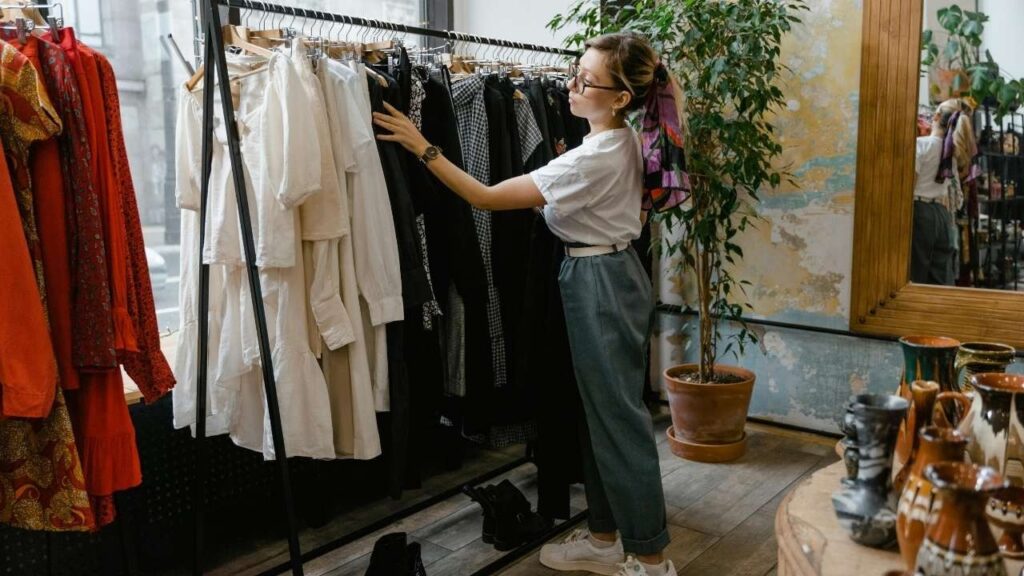
What Sustainable Fashion Actually Means
Sustainable fashion is a system of designing, producing, and consuming clothing that minimizes environmental damage while protecting the people involved in making it. It is not a marketing label or a trend it is a fundamental shift in how the industry operates.
The concept rests on three interconnected pillars. Environmental stewardship means reducing pollution, water use, carbon output, and textile waste across the entire supply chain. Social equity ensures garment workers receive fair wages, safe conditions, and dignified treatment. Longevity prioritizes durable, timeless pieces over disposable fast fashion.
When all three pillars are present, a brand is both sustainable and ethical. When even one is missing, the claims deserve scrutiny.
The Environmental Cost of Fast Fashion in Numbers
Understanding the scale of the problem makes the case for conscious fashion impossible to dismiss.
The Ellen MacArthur Foundation reports that the equivalent of one garbage truck of textiles is landfilled or burned every single second. That translates to roughly 92 million tons of textile waste entering landfills each year worldwide.
Water consumption is staggering. The World Resources Institute estimates that producing a single pair of jeans requires approximately 3,781 liters of water from cotton cultivation through final production. A standard cotton T-shirt demands around 2,700 liters enough drinking water for one person for over two years.
Microplastic pollution adds another layer. Every time synthetic garments like polyester or nylon are machine-washed, they release tiny plastic fibers into waterways. A 2024 study published in Nature Reviews Earth & Environment estimated that textiles contribute between 20% and 35% of all microplastics entering the ocean.
Meanwhile, a McKinsey State of Fashion report found that while consumer awareness of sustainability has risen sharply, actual purchasing behavior still lags far behind stated intentions. Closing that gap starts with practical everyday choices.
Fast Fashion Versus Sustainable Fashion: A Cost Comparison
One of the biggest misconceptions about conscious fashion is that it costs more. When measured by cost per wear rather than sticker price, the math tells a different story.
A fast fashion T-shirt typically costs around $8 to $15 but degrades after 10 to 15 washes. That puts the cost per wear at roughly $0.80 to $1.50 before it ends up in a landfill. An organic cotton T-shirt from a brand like Pact or Kotn costs $25 to $40 but lasts 80 to 100 wears or more, bringing the cost per wear down to $0.30 to $0.50.
The same pattern holds for jeans, outerwear, and footwear. Sustainable pieces almost always deliver better long-term value while generating a fraction of the waste.
Audit Your Wardrobe Before Buying Anything New
Before spending a single dollar on new clothing, take a full inventory of what you already own. Most people wear only 20% to 30% of their wardrobe regularly, according to closet audit data compiled by Sustain Your Style.
Organize your closet so every piece is visible. Group items by category tops, bottoms, outerwear, basics and identify gaps versus redundancies. You will likely rediscover forgotten pieces that feel new again simply because they have been out of sight.
Building a Capsule Wardrobe
A capsule wardrobe is a curated collection of 30 to 40 versatile pieces in a cohesive color palette. The goal is maximum outfit combinations from minimal items.
This strategy eliminates decision fatigue and drastically reduces impulse purchases. Before adding anything new, apply a simple test: does this piece complement at least three items I already own? If not, it does not belong in the capsule.
Embracing a Zero-Waste Wardrobe Mindset
Zero-waste fashion takes the capsule concept further by aiming to eliminate textile waste entirely. This means repairing, altering, upcycling, and responsibly recycling every garment rather than discarding it.
The mindset shift matters more than perfection. Even reducing clothing waste by 50% has a meaningful environmental impact when practiced consistently over years.
Choosing Eco-Friendly Fabrics That Actually Last
What a garment is made from determines most of its environmental footprint. Checking the care label before purchasing takes seconds but reveals critical information about durability, biodegradability, and chemical exposure.
Natural and Organic Materials Worth Investing In
Organic cotton tops the list. It is grown without synthetic pesticides or chemical fertilizers, which protects soil health and prevents waterway contamination. The Global Organic Textile Standard (GOTS) certifies cotton from farm to finished product.
Linen, made from flax, requires significantly less water than cotton and grows in poor soils without heavy irrigation. Hemp is equally resilient and produces more fiber per acre than almost any other crop.
Tencel, a branded lyocell fiber made from sustainably harvested eucalyptus, is produced in a closed-loop system that recaptures over 99% of the solvents used in manufacturing. Responsibly sourced wool and silk round out the strongest natural fabric options.
These fibers share two critical advantages: they biodegrade naturally at end of life, and they tend to outlast synthetics in everyday wear.
Synthetic Fabrics and Their Hidden Environmental Costs
Polyester, nylon, acrylic, and spandex are derived from petroleum a non-renewable fossil fuel. They take 200 or more years to decompose in landfills and shed microplastics with every wash cycle.
When synthetic fabrics are unavoidable particularly for activewear or technical outerwear prioritize recycled polyester or recycled nylon. Patagonia pioneered recycled polyester in outdoor gear as far back as 1993, and Girlfriend Collective has built its entire product line around recycled plastic bottles and fishing nets.
Using a microplastic-catching laundry bag like the Guppyfriend when washing synthetics can reduce fiber shedding by up to 86%, according to testing by the Fraunhofer Institute.
Vetting Brands for Transparency and Fair Practices
Understanding how to shop ethically for clothes requires looking past surface-level marketing and examining what a brand actually does behind the scenes.
Certifications That Signal Genuine Commitment
Third-party certifications are the most trustworthy shortcut for identifying responsible brands. The key certifications worth recognizing include:
- Fair Trade Certified guarantees fair wages and safe factory conditions
- GOTS (Global Organic Textile Standard) certifies organic fibers through every stage of production
- OEKO-TEX Standard 100 tests for over 100 harmful substances in finished textiles
- B Corporation verifies overall social and environmental business performance
- Bluesign ensures responsible resource use with minimal environmental impact
The Fashion Transparency Index, published annually by Fashion Revolution, ranks 250 major fashion brands on supply chain disclosure. In its most recent edition, the average transparency score across all brands was still below 25%, revealing how much the industry has yet to improve.
Spotting Greenwashing Before You Buy
Greenwashing is widespread. A brand might launch a single “conscious collection” while the remaining 95% of its production operates on a fast fashion model. Vague language is the clearest red flag terms like “eco-friendly,” “green,” or “sustainable materials” without specific certifications, data, or third-party verification almost always signal hollow claims.
Genuine brands publish factory lists, disclose carbon reduction targets with timelines, share material sourcing data, and invite independent audits. If that information is absent from a company’s website, treat it as a warning sign rather than an oversight.
The Good On You app rates thousands of fashion brands on a five-point scale across environment, labor, and animal welfare making it one of the fastest ways to vet a brand before purchasing.
Secondhand and Circular Fashion Alternatives
Buying pre-owned clothing is the single most impactful action most consumers can take. It requires zero new resources, diverts garments from landfills, and typically costs 60% to 90% less than retail.
Where to Find Quality Secondhand Clothing
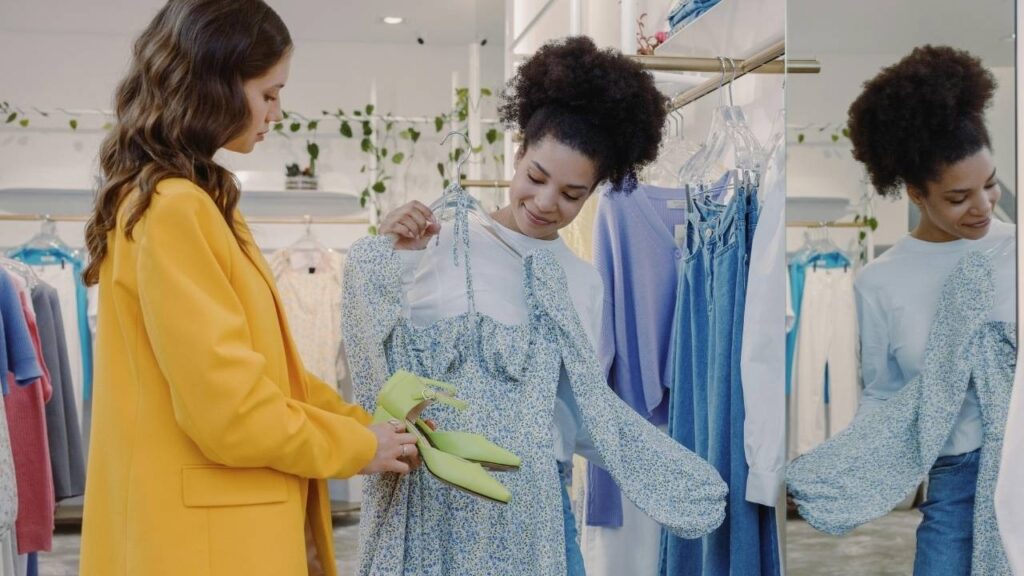
Local thrift stores, vintage boutiques, and consignment shops offer curated in-person browsing. For online convenience, platforms like ThredUp, Poshmark, Depop, and Vinted have transformed secondhand shopping into a mainstream experience.
The ThredUp 2024 Resale Report projects that the global secondhand apparel market will reach $350 billion by 2028 growing at nearly five times the rate of the broader retail clothing market. That trajectory reflects a genuine cultural shift, not a passing trend.
Renting, Swapping, and Borrowing
Clothing rental services eliminate waste for items worn only once or twice wedding outfits, formal events, seasonal statement pieces. Platforms like Rent the Runway and HURR have made this accessible in both the United States and Europe.
Clothing swap events are equally powerful. You exchange pieces you no longer wear for fresh additions at zero cost and zero environmental footprint. Organizing a swap among friends takes minimal effort and delivers maximum variety.
Supporting Local Makers and Small-Batch Producers
Mass production lies at the heart of fashion’s environmental crisis. Fast fashion giants produce billions of garments each year, and a significant percentage ends up destroyed without ever being sold. Luxury is not immune either Burberry made headlines in 2018 for incinerating $37 million worth of unsold inventory in a single year.
Small-batch manufacturers operate on the opposite philosophy. They produce limited quantities using locally sourced materials, transparent pricing, and fair labor practices. Brands like Kotn, which partners directly with Egyptian cotton farmers, and ABLE, which publishes the lowest wages paid at every factory it works with, demonstrate what accountability looks like in practice.
Local tailors also play an underappreciated role. A skilled tailor can resize, repair, and modernize garments for a fraction of the cost of replacing them extending the useful life of each piece by years.
Caring for Your Clothes to Extend Their Life
Garment care has an enormous influence on how long clothing lasts. Even premium fabrics deteriorate quickly when washed improperly or dried aggressively.
Wash less frequently. Jeans can go five to ten wears between washes. Sweaters and blazers need washing even less often. Spot-cleaning, steaming, and airing garments between wears keeps them fresh without the fiber stress of a full wash cycle.
Always wash in cold water. Cold washing reduces energy consumption by up to 90% compared to hot cycles while being far gentler on fabric structure and color.
Air dry whenever possible. Machine dryers cause significant shrinkage, fading, and fiber breakdown. Hanging or flat-drying preserves garment integrity and saves energy.
Learn basic mending. Sewing a button, patching a small hole, or reinforcing a weakened seam takes minutes and adds years of wear. For more complex repairs, a local tailor is an affordable alternative to replacement.
WRAP, a UK-based sustainability organization, estimates that extending the average life of clothes by just nine months reduces their carbon, water, and waste footprints by approximately 20% to 30% each. That is a significant return on a very small behavioral change.
Responsible Disposal and Textile Recycling
When a garment is truly worn beyond repair, how you dispose of it still matters.
Donate wearable items to local charities, shelters, or thrift stores. Sell gently used pieces on resale platforms to give them a second life. Upcycle damaged textiles into cleaning cloths, quilting material, or DIY accessories.
For garments beyond reuse, textile recycling programs are the final responsible option. H&M, Patagonia, and The North Face all operate in-store take-back programs that accept clothing from any brand. Some municipalities also offer curbside textile collection.
The goal across every stage of disposal is the same: keep clothing out of landfills for as long as humanly possible.
How to Shop Sustainably for Clothes on a Tight Budget
The belief that conscious fashion is expensive often prevents people from starting. In reality, many core sustainable practices buying less, shopping secondhand, repairing garments actively save money.
- Shop secondhand first. Thrift stores and online resale platforms offer quality clothing at 60% to 90% below retail prices. A cashmere sweater that retails for $200 can often be found secondhand for $25 to $40.
- Apply the 30 Wears Test. Before every purchase, ask yourself whether you will genuinely wear this item at least 30 times. If the answer is no, walk away.
- Buy off-season. Purchase winter outerwear in spring and summer dresses in autumn. Sustainable brands discount heavily during off-season clearance windows.
- Follow ethical brands on social media. Many offer exclusive discount codes, newsletter-only sales, and early access to markdowns.
- Host or attend clothing swaps. Refreshing your wardrobe at zero cost is the most budget-friendly sustainable strategy that exists.
A 2022 Statista survey found that 39% of consumers considered sustainability at least somewhat important when purchasing clothing. The barrier for most people is not willingness it is knowing where to start. These five steps make that starting point simple and accessible.
Final Thoughts
Learning how to shop sustainably for clothes is not about perfection. It is about progress one garment, one decision, one small shift at a time. Choosing organic linen over polyester, browsing a thrift store before a fast fashion chain, mending a torn seam instead of reaching for the trash bin these individual actions compound into meaningful environmental impact when practiced consistently.
Every purchase is a vote. When enough consumers redirect their spending toward responsible brands, transparent supply chains, and circular fashion models, the industry has no choice but to follow. Start with one change this week. Your wardrobe and the planet it touches will be better for it.
What is the difference between sustainable and ethical fashion?
Sustainable fashion targets environmental impact reducing carbon emissions, water consumption, waste, and chemical pollution across the garment lifecycle. Ethical fashion centers on human welfare fair wages, safe working conditions, and dignified treatment for every person in the supply chain. The strongest brands address both simultaneously because environmental exploitation and labor exploitation are deeply connected.
Is sustainable clothing always more expensive than fast fashion?
Not when you measure cost per wear instead of sticker price. A $35 organic cotton shirt that lasts 100 wears costs $0.35 per use. A $10 fast fashion shirt that degrades after 10 wears costs $1.00 per use. Secondhand shopping, clothing swaps, and buying fewer but better pieces consistently reduce long-term spending compared to habitual fast fashion purchases.
How can I identify greenwashing?
Look for verifiable specifics rather than vague language. Trustworthy brands publish factory locations, material sourcing data, carbon reduction targets with deadlines, and hold recognized third-party certifications like GOTS, Fair Trade, or B Corp. If a brand relies on words like “conscious” or “eco-friendly” without concrete evidence, it is very likely greenwashing. The Good On You app provides independent brand ratings across environment, labor, and animal welfare.
What are the most sustainable fabric choices?
Organic cotton, linen, hemp, Tencel (lyocell), and responsibly sourced wool rank among the most environmentally sound options. For situations where synthetic performance is necessary, recycled polyester and recycled nylon repurpose existing waste rather than creating new petroleum-based materials. Conventional polyester, nylon, and acrylic should be avoided wherever possible due to their fossil fuel origins and microplastic shedding.
Where can I find affordable conscious fashion brands?
ThredUp, Poshmark, Depop, Vinted, and local thrift stores are the most budget-friendly options. For new purchases, Pact (organic cotton basics starting around $15), Kotn (ethically sourced Egyptian cotton), and ABLE (transparent wage publishing) offer quality ethical clothing without premium pricing. The Good On You app helps filter for rated brands within any budget.
How does circular fashion differ from sustainable fashion?
Circular fashion is a subset of sustainable fashion that focuses specifically on eliminating waste. It designs garments for durability, repair, resale, and eventual recycling so that materials never leave the production loop. The Ellen MacArthur Foundation promotes the circular economy model as the long-term solution to fashion’s waste crisis. Sustainable fashion is the broader umbrella that also includes labor rights, carbon reduction, and ethical sourcing.