If you’ve ever stood in front of a seed rack wondering what vegetables to plant first, you’re not alone it’s one of the most common questions every beginner gardener faces. Choosing the right crops to start with can mean the difference between a thriving harvest and a frustrating first season. The good news? Science and decades of gardening wisdom have already answered this question for you.
Starting a home vegetable garden doesn’t have to be overwhelming. Whether you have a small raised bed or a spacious backyard plot, knowing which vegetables to plant first gives you a strong foundation. Cool-season crops like lettuce, spinach, and radishes are typically the easiest to begin with because they tolerate lower temperatures and grow quickly. These fast-growing vegetables reward you with visible results in just a few weeks, which keeps your motivation high as a new gardener.
But it’s not just about picking easy crops. Understanding your growing zone, local frost dates, and soil preparation basics plays a huge role in your success. That’s exactly what this guide is built around real, research-backed advice that removes the guesswork from your first planting season.
In this article, we’ll walk you through the best vegetables to plant first based on climate adaptability, growth speed, and beginner-friendliness. You’ll also learn about seasonal planting schedules, simple care tips, and how to plan your garden layout for a continuous harvest. Whether you’re interested in container gardening or planting directly in the ground, this guide has you covered. By the end, you’ll have a clear, actionable plan so you can confidently step into your garden and start growing your own fresh, healthy food from day one.
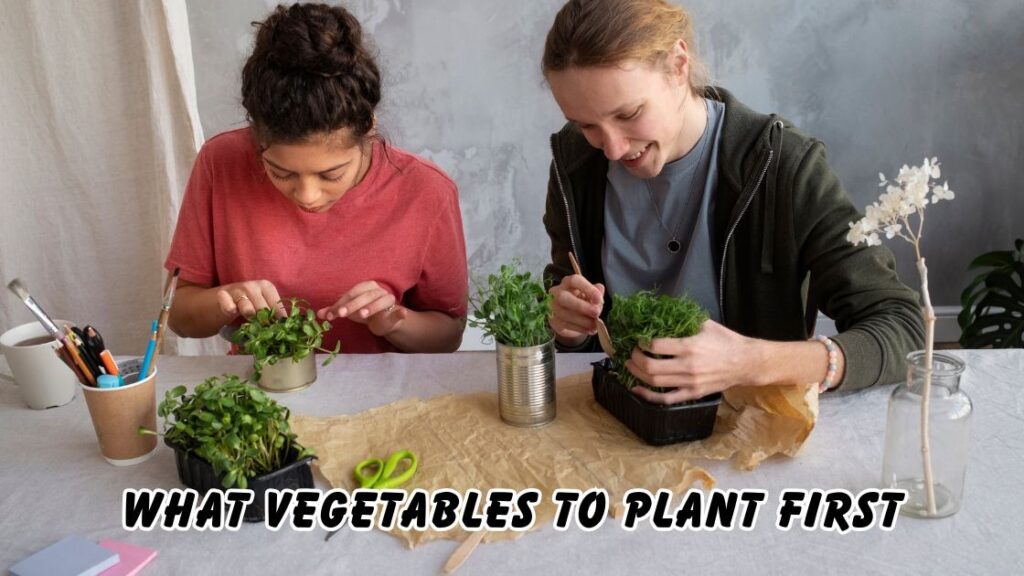
Why Knowing What Vegetables to Plant First Matters
Understanding what vegetables to plant first is not just a beginner’s curiosity it’s the foundation of a productive garden. When you choose the right crops to start with, you set yourself up for early wins that build confidence and momentum throughout the growing season. Planting the wrong vegetables too early or too late often leads to poor germination, weak growth, and wasted effort.
The science behind successful gardening starts with matching your crops to your local climate, soil conditions, and frost dates. Experienced gardeners and agricultural researchers agree that starting with hardy, forgiving vegetables dramatically increases your chances of a rewarding first harvest. So before you buy a single seed packet, learning what vegetables to plant first should be your top priority.
The Role of Climate and Growing Zones
Your USDA hardiness zone determines which crops can survive in your area and when to plant them. Cool season vegetables like kale, peas, and lettuce thrive in early spring temperatures, while warm season crops such as tomatoes and peppers need consistent heat. Checking your local frost dates helps you understand the safest window to begin planting outdoors.
Best Cool Season Vegetables to Start With
When deciding what vegetables to plant first, cool season crops should be at the top of your list. These vegetables can handle light frost and actually prefer cooler soil temperatures for germination. They are ideal for early spring planting, giving you a head start weeks before summer crops go into the ground.
Leafy Greens and Root Vegetables
Leafy greens like spinach, lettuce, and arugula are among the fastest growing vegetables you can plant. Most varieties are ready to harvest within 30 to 45 days, making them perfect for impatient beginners. Root vegetables such as radishes and carrots also perform exceptionally well in cool weather and require minimal maintenance.
If you’re still asking what vegetables to plant first in a small garden or container setup, these compact crops are your best bet. They don’t need much space, and you can succession plant them every two weeks for a continuous harvest throughout spring.
Peas and Brassicas
Garden peas are another excellent early crop. They fix nitrogen in the soil, which benefits whatever you plant next. Brassicas like broccoli, cauliflower, and cabbage also fall into the cool season category and do well when transplanted outdoors a few weeks before the last expected frost.
Warm Season Vegetables for Your Second Planting
Once your cool season crops are established, the next step in understanding what vegetables to plant first is knowing when to transition to warm season varieties. These crops need soil temperatures of at least 60°F and cannot tolerate any frost.
Tomatoes, Peppers, and Squash
Tomatoes are the most popular home garden vegetable worldwide, and for good reason. They produce generous yields and come in countless varieties suited to different climates. Peppers and squash are equally beginner friendly and thrive in full sun with consistent watering. Starting these indoors as seedlings about six to eight weeks before your last frost date gives them a strong advantage once transplanted outside.
Beans and Cucumbers
Bush beans and cucumbers are warm weather favorites that grow quickly from direct sowing. They require little care beyond regular watering and well drained soil. For anyone wondering what vegetables to plant first after the spring harvest wraps up, these two crops are reliable and highly productive choices.
Step by Step Process for First Time Planting
Knowing what vegetables to plant first is only part of the equation. Following a structured planting process ensures your seeds and transplants get the best possible start.
- Test your soil pH and amend it with compost or organic matter to create nutrient rich growing conditions for your vegetables.
- Check your last frost date using your local agricultural extension office to determine safe outdoor planting windows for each crop.
- Start cool season seeds indoors or direct sow them four to six weeks before the last frost for the earliest possible harvest.
- Prepare raised beds or containers with proper drainage and at least six to eight inches of quality garden soil mixed with compost.
- Transplant warm season seedlings outdoors only after nighttime temperatures consistently stay above 50°F to prevent transplant shock and stunted growth.
Key Benefits of Planting the Right Vegetables First
Choosing what vegetables to plant first wisely comes with several important advantages that go beyond simply having food on the table.
- Faster harvest cycles give beginners quick results and keep motivation levels high throughout the entire growing season.
- Better soil health develops naturally when you rotate cool and warm season crops in a planned sequence throughout the year.
- Fewer pest problems occur when you plant vegetables at the right time because crops grow stronger and more resistant to common garden threats.
- Reduced water waste happens when vegetables are matched to the correct season since they require less supplemental irrigation to thrive and produce.
- Higher overall yield results from giving each crop its ideal growing conditions rather than forcing plants into unsuitable weather or soil temperatures.
Common Mistakes to Avoid
Even with the best knowledge of what vegetables to plant first, beginners often make avoidable errors. One frequent mistake is planting warm season crops too early before the soil has warmed sufficiently. Another is overcrowding seedlings, which leads to poor air circulation and increased disease risk.
Ignoring Soil Preparation
Skipping soil testing and preparation is one of the biggest reasons first gardens underperform. Without adequate nutrients and proper drainage, even the easiest vegetables will struggle. Investing time in building healthy soil before planting pays off enormously in crop quality and quantity.
Tips for Long Term Garden Success
Once you’ve mastered what vegetables to plant first, you can expand your garden with more advanced crops like melons, sweet potatoes, and herbs. Keeping a simple garden journal helps you track planting dates, harvest times, and what worked best in your specific conditions. Over time, this personal data becomes more valuable than any generic gardening guide.
Learning what vegetables to plant first is the smartest investment a new gardener can make. With the right crops, proper timing, and basic soil care, your first season can be both productive and deeply rewarding.
Conclusion
Starting a garden is one of the most rewarding decisions you can make for your health, your wallet, and your connection to nature. Now that you understand what vegetables to plant first, you have a clear roadmap to turn even the smallest patch of soil into a productive growing space. The key takeaway is simple: begin with cool season crops that are forgiving and fast growing, then gradually transition to warm season varieties as temperatures rise.
Throughout this guide, we’ve covered everything from choosing beginner friendly vegetables like lettuce, radishes, and peas to understanding the importance of soil preparation, frost dates, and growing zones. These fundamentals are not just helpful they are essential for anyone serious about home gardening success. By following a structured seasonal planting schedule, you avoid common mistakes and give every crop the best chance to thrive.
Remember, your first garden doesn’t need to be perfect. What matters most is getting started with the right vegetables and learning from each season. Whether you’re growing in raised beds, containers, or directly in your backyard soil, the principles of what vegetables to plant first remain the same. Match your crops to your climate, prepare your soil properly, and plant at the right time.
As you gain experience, you’ll naturally expand into more advanced crops and techniques. But for now, focus on these proven basics. Knowing what vegetables to plant first gives you the confidence and foundation to grow fresh, organic produce right at home. Your journey toward a sustainable and self sufficient kitchen garden starts with that very first seed in the ground.