When I first started exploring book illustration styles, I never imagined how deeply each visual approach could shape a reader’s entire experience. Over the years, I’ve worked with watercolor illustrations, digital artwork, pen and ink drawings, and mixed media techniques each bringing something uniquely powerful to storytelling. As a published artist with over a decade in the industry, I’ve watched trends shift, experimented with countless methods, and discovered which styles truly connect with audiences.
In this article, I’m sharing my personal creative journey through the most popular book illustration styles used in children’s books, picture books, and graphic novels today. You’ll learn how different illustration techniques influence mood, pacing, and reader engagement. Whether you’re an aspiring illustrator, an author searching for the right visual direction, or simply someone who appreciates beautiful artwork, this guide offers real-world insights drawn from hands-on experience rather than theory alone. I’ll walk you through the styles that shaped my career, the mistakes I made along the way, and practical advice for choosing the right approach for your next project. Let’s dive in.

What Are Book Illustration Styles and Why Do They Matter?
Every book tells a story, but the way that story looks on the page makes all the difference. Book illustration styles refer to the distinct visual techniques and artistic approaches used to bring written narratives to life. From soft watercolor washes in children’s picture books to bold digital compositions in graphic novels, each style carries its own emotional weight and storytelling power. Understanding these visual methods is essential for authors, illustrators, and publishers who want their work to resonate with the right audience.
Throughout my career, I’ve realized that choosing the right illustration style is never just an aesthetic decision. It directly impacts how readers interpret characters, settings, and emotions. A whimsical cartoon style evokes joy and playfulness, while realistic pencil illustrations create depth and seriousness. The style you choose becomes the visual voice of your entire project.
A Brief History of Book Illustration Styles
From Woodcuts to Digital Art
The evolution of book illustration styles spans centuries. Early illustrated manuscripts relied on hand painted images and woodcut prints, which were labor intensive but visually striking. During the 19th century, lithography and engraving opened doors for more detailed and reproducible artwork in published books. Artists like Randolph Caldecott and Kate Greenaway pioneered styles that still influence children’s book illustration today.
The 20th century brought revolutionary changes. Watercolor painting, collage art, and screen printing became dominant techniques. Then, with the rise of technology in the late 1990s, digital illustration tools like Adobe Illustrator and Procreate transformed the industry entirely. Today, book illustration styles blend traditional craftsmanship with modern digital precision, giving artists more creative freedom than ever before.
Popular Types of Book Illustration Styles
Watercolor Illustrations
Watercolor remains one of the most beloved book illustration styles in children’s literature. Its soft edges, translucent layers, and organic textures create a dreamlike quality that draws young readers in. I personally used watercolor techniques in my early picture book projects, and the warmth it added to each page was unmatched. This style works beautifully for nature themes, fairy tales, and emotionally gentle narratives.
Digital Illustration
Digital art has become the fastest growing approach among modern illustrators. Using software like Procreate, Clip Studio Paint, or Photoshop, artists can create vibrant, highly detailed images with complete control over color, texture, and composition. Among contemporary book illustration styles, digital illustration offers unmatched flexibility, making edits and revisions far simpler than traditional methods. I transitioned to digital work five years ago and found it dramatically improved my workflow.
Pen and Ink Drawings
This classic technique relies on fine lines, cross hatching, and stippling to create detailed black and white or lightly colored images. Pen and ink is one of the most timeless book illustration styles, often used in chapter books, middle grade fiction, and literary novels. The precision it demands teaches discipline, and I’ve found it especially effective for storytelling that requires strong visual contrast.
Collage and Mixed Media
Collage illustration combines paper, fabric, photography, and paint into layered compositions. Artists like Eric Carle popularized this approach in children’s books. Mixed media book illustration styles bring a tactile, handmade quality to published work that feels fresh and innovative. I experimented with collage during a personal project and loved how it encouraged creative risk taking.
Cartoon and Comic Style
Bold outlines, exaggerated expressions, and vibrant colors define cartoon style illustration. This approach dominates graphic novels, early readers, and humorous picture books. Among all book illustration styles, cartoon art is perhaps the most universally accessible and engaging for younger audiences.
How to Choose the Right Book Illustration Style
Understanding Your Audience
Selecting from various book illustration styles starts with knowing your target readers. A board book for toddlers calls for bright, simple visuals, while a young adult novel might benefit from moody, atmospheric digital artwork. I always begin every project by asking who will hold this book in their hands and what emotions I want them to feel.
Matching Style to Story Tone
The narrative tone should guide your visual approach. Here are five key factors I consider when matching book illustration styles to a manuscript:
- The target age range and comprehension level of your intended readers
- The emotional journey your narrative takes from the first page to the last
- The genre and subject matter of the book
- The publisher’s brand identity and market expectations
- The practical budget and timeline for the illustration process
Common Challenges With Book Illustration Styles
Working across multiple book illustration styles is not without its difficulties. Every artist faces creative and practical obstacles during the process. Based on my experience, here are five challenges I’ve encountered most frequently:
- Maintaining visual consistency across 32 or more pages
- Adapting a personal artistic voice to fit a client’s specific vision
- Balancing creative experimentation with commercial market demands
- Managing revision cycles without losing the original energy of the artwork
- Keeping up with evolving industry trends and reader preferences
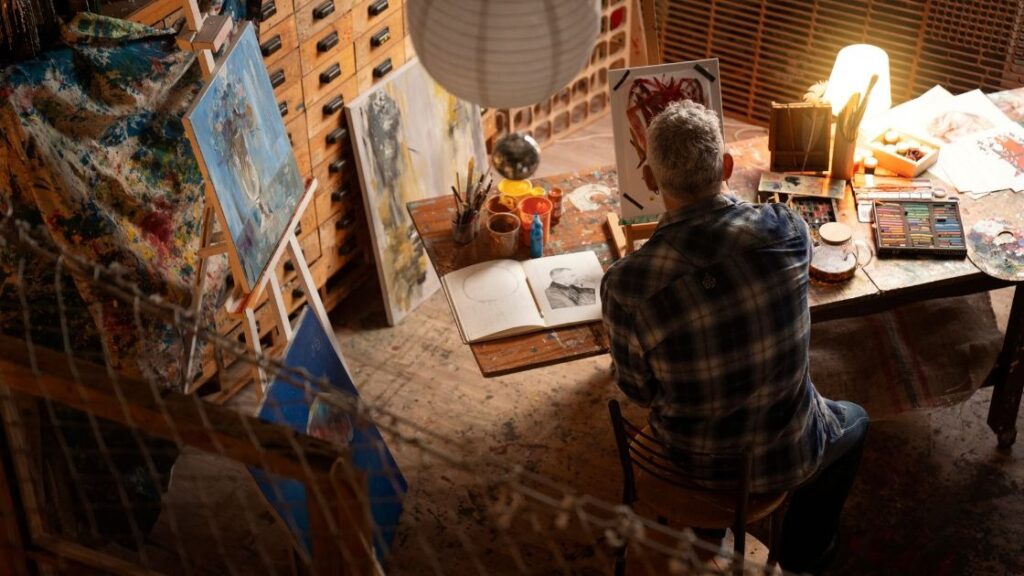
Overcoming Creative Blocks
One of the hardest parts of working with different book illustration styles is pushing past creative stagnation. I’ve found that studying other artists, visiting galleries, and stepping away from the screen regularly helps refresh my perspective. Collaborating with authors also brings new energy, as their words often inspire unexpected visual directions.
Tips for Aspiring Illustrators
If you’re just beginning your journey into book illustration styles, my biggest recommendation is to experiment broadly before specializing. Try watercolor, digital, ink, and collage. Study published books across genres and age groups. Build a portfolio that showcases versatility, but also reveals your unique artistic identity. The illustration industry values authenticity, so lean into what excites you most.
Networking within the publishing community, attending illustration conferences, and seeking mentorship from experienced artists will also accelerate your growth. The world of book illustration styles is vast and welcoming, and there is always room for fresh voices and bold creative visions.
Conclusion
Looking back on my journey as a published artist, I can confidently say that understanding book illustration styles has been the single most transformative element of my creative career. From the soft beauty of watercolor painting to the precision of digital illustration and the timeless elegance of pen and ink, each technique offers something irreplaceable to visual storytelling. The key is recognizing that no single style is superior. What matters most is how well your chosen approach serves the story, connects with readers, and reflects your authentic artistic voice.
Throughout this article, we explored the history behind popular illustration techniques, examined the most widely used types including collage art, cartoon illustration, and mixed media, and discussed practical strategies for selecting the right visual direction for any project. We also addressed the real challenges artists face when working across multiple formats and offered actionable tips for those just starting out in the publishing industry.
Whether you are an author seeking the perfect illustrator, a designer building a children’s picture book, or an aspiring artist developing your portfolio, having a solid grasp of book illustration styles gives you a significant creative and professional advantage. The publishing world continues to evolve with new tools, trends, and reader expectations, but strong visual storytelling remains at the heart of every memorable book.
I encourage you to keep experimenting, stay curious, and never stop exploring the incredible range of book illustration styles available to you. Your unique perspective is exactly what the industry needs.