Understanding how much light do houseplants need eliminates the guesswork that causes countless indoor plants to struggle, yellow, or stretch toward distant windows desperately. That confusion about placement decisions ends when you understand the science behind plant light requirements.
This comprehensive guide explores photosynthesis requirements, lux measurements, and foot candle readings that determine precise light needs for different houseplant species. You will discover how window orientation affects light intensity and quality throughout daily cycles impacting plant health significantly.
We examine low light plants, medium light requirements, and high light species categories helping you match plants to available conditions perfectly. From understanding daily light integral calculations to recognizing light deficiency symptoms, these proven methods answer how much light do houseplants need accurately. Learning this illumination science transforms random plant placement into strategic positioning ensuring every houseplant thrives in your home beautifully.
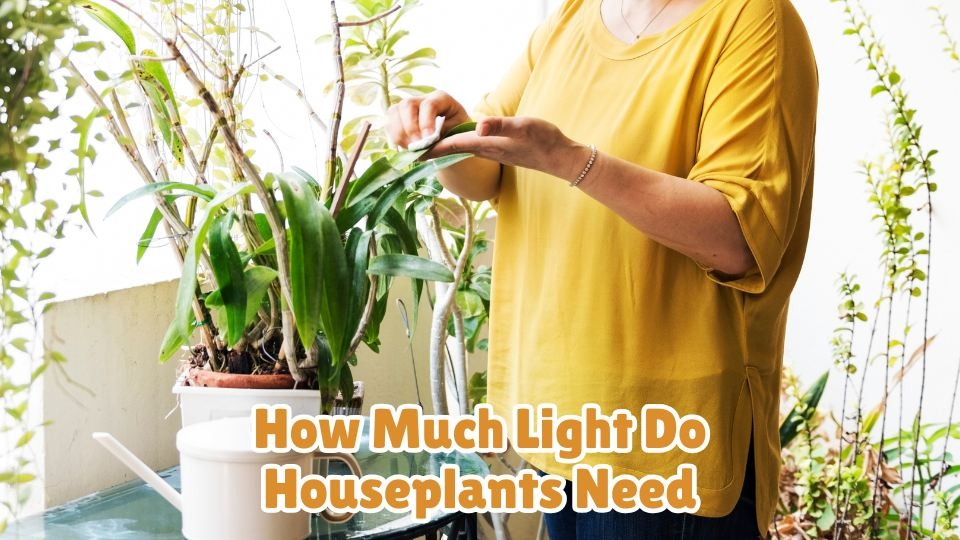
Understanding Light Measurement Science for Indoor Plants
Light provides the energy plants require for photosynthesis converting carbon dioxide and water into sugars that fuel growth processes. Different houseplant species evolved under varying light conditions creating distinct photosynthesis requirements for optimal health maintenance. Understanding how much light do houseplants need begins with learning scientific measurement methods used by professional growers.
Lux measurements quantify visible light intensity reaching plant surfaces providing standardized comparisons across different environments. Foot candle readings offer alternative measurement scales commonly used in American horticultural references and guides. Both metrics help plant parents evaluate actual light conditions rather than relying on subjective assessments alone.
Daily light integral calculates total light energy received over entire photoperiods rather than instantaneous intensity readings only. This cumulative measurement better predicts plant growth responses since duration matters alongside brightness levels significantly.
Window Orientation and Natural Light Analysis
Window direction dramatically influences light intensity and quality available for houseplant placement decisions throughout your home. Understanding window orientation helps predict which locations support different plant categories successfully. Answering how much light do houseplants need requires evaluating your specific window exposures accurately.
South facing windows provide the brightest indirect light and direct sunlight suitable for high light species requiring intense illumination. These locations receive maximum daily light integral values supporting sun loving plants like succulents and cacti excellently.
Key window orientation characteristics include these important factors:
- South windows deliver 4000 to 8000 lux ideal for high light species requiring intense illumination daily
- East windows provide gentle morning light around 2000 to 4000 lux perfect for medium light requirements
- West windows offer afternoon intensity similar to east but with warmer harsher quality potentially
- North windows supply lowest light levels between 500 to 2000 lux suitable for low light plants only
- Obstructions like buildings and trees reduce expected light levels requiring individual assessment always
These measurements guide strategic plant placement matching species to appropriate locations throughout your home.
Low Light Plant Requirements and Species Selection
Low light plants evolved beneath forest canopies where filtered sunlight barely penetrated dense vegetation overhead. These species developed efficient photosynthesis requirements allowing survival in conditions between 500 and 2000 lux consistently. Understanding how much light do houseplants need helps identify which species tolerate darker corners successfully.
Snake plants, pothos, and ZZ plants represent popular low light tolerant options thriving where other houseplants would struggle significantly. These forgiving species survive north facing windows and interior rooms receiving minimal natural illumination.
Identifying True Low Light Conditions
Many plant parents underestimate how dark indoor spaces actually become compared to outdoor environments even on cloudy days. Areas several feet from windows may receive insufficient light for even tolerant low light plants to thrive properly. Using smartphone light meter apps provides quick assessments of actual conditions in potential placement locations.
How much light do houseplants need varies but true low light conditions challenge even adapted species eventually. Supplemental grow lights benefit plants in extremely dim locations lacking adequate natural light exposure.
Low Light Warning Signs
Plants receiving insufficient light become leggy as stems stretch toward available illumination sources desperately. Leaf drop, pale coloration, and stunted growth indicate light deficiency requiring relocation or supplemental lighting intervention immediately.
Medium Light Requirements for Popular Houseplants
Most common houseplants fall into medium light requirements categories thriving between 2000 and 4000 lux daily. These species tolerate bright indirect light without direct sunlight exposure that could scorch delicate foliage tissues. Understanding how much light do houseplants need positions medium light plants near east or west windows ideally.
Monstera, philodendrons, and peace lilies exemplify popular medium light houseplants filling countless homes beautifully. These versatile species adapt to varying conditions within their tolerance ranges making them excellent choices for beginners.
Bright indirect light describes illumination near windows without direct sun rays touching leaf surfaces directly. Sheer curtains filter harsh direct sunlight creating ideal medium light conditions for sensitive tropical species perfectly.
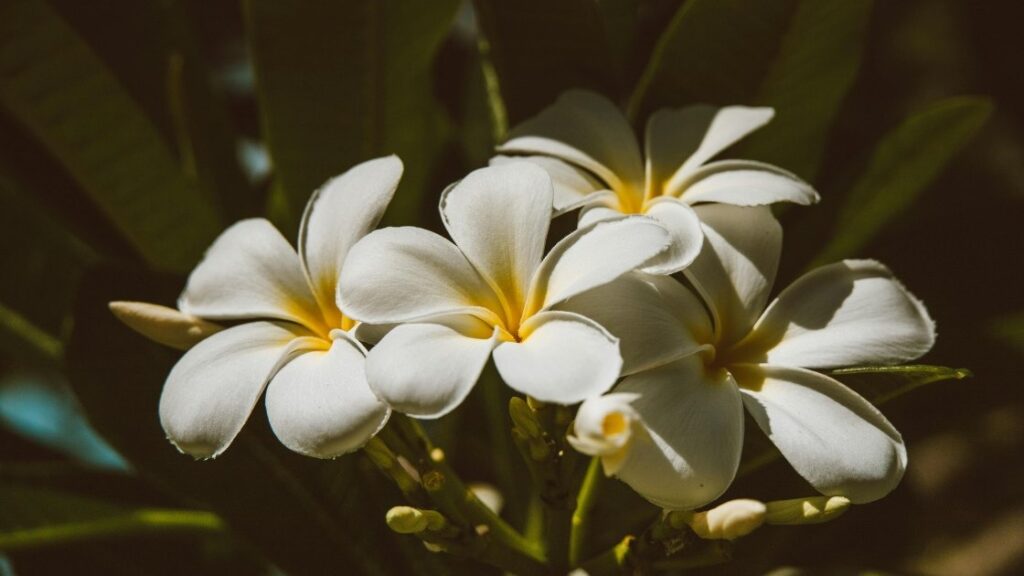
High Light Species and Placement Strategies
High light species require intense illumination exceeding 4000 lux to maintain compact growth and vibrant coloration consistently. These plants evolved in exposed environments receiving full sun throughout entire days naturally. Answering how much light do houseplants need for these species points toward south facing windows exclusively.
Succulents, cacti, and most flowering houseplants demand high light conditions to prevent etiolation and bloom production failure. Placing these species in insufficient light causes stretching, fading colors, and eventual health decline progressively.
Rotate high light plants quarterly ensuring even growth as they naturally lean toward brightest light sources continuously. This simple practice maintains symmetrical attractive appearances throughout extended indoor growing periods successfully.
Recognizing Light Deficiency and Excess Symptoms
Plants communicate light problems through visible symptoms that observant plant parents learn to recognize quickly for intervention. Light deficiency symptoms appear gradually allowing correction before permanent damage occurs to valued houseplants. Understanding how much light do houseplants need includes monitoring for these warning signs continuously.
Insufficient light causes elongated internodes as plants stretch desperately toward available illumination sources nearby. Small pale leaves, dropped lower foliage, and absence of new growth indicate inadequate light levels requiring relocation.
Excessive light produces scorched brown patches, bleached coloration, and crispy leaf edges on sensitive species experiencing intensity damage. Moving affected plants away from direct sunlight or adding sheer curtain filtration resolves these symptoms typically.
Seasonal light changes affect indoor conditions as sun angles shift throughout annual cycles dramatically. Summer provides maximum intensity while winter reduces available light requiring possible plant relocation or supplemental grow light addition temporarily. Monitoring plant responses guides adjustments maintaining optimal conditions year round for beautiful thriving houseplant collections throughout your entire home environment successfully.
Conclusion:
Successful houseplant care depends on matching species to appropriate light conditions based on their natural photosynthesis requirements. Understanding how much light do houseplants need involves evaluating window orientation, measuring lux levels, and recognizing low light, medium light, and high light species categories for strategic plant placement. By monitoring daily light integral values and identifying light deficiency symptoms early, you prevent stretching, yellowing, and health decline affecting your indoor garden. Remember that seasonal changes require placement adjustments maintaining optimal conditions year round. Embrace how much light do houseplants need as essential knowledge transforms random positioning into scientific plant placement ensuring thriving beautiful houseplants throughout your home.