When my smart garden sprinkler kept overwatering one side of the yard and leaving the other bone dry, I knew a basic timer was no longer enough. I needed something that could actually read my soil and respond intelligently. That frustration led me down a path of upgrading my entire irrigation setup with AI powered soil analytics, and the results genuinely surprised me.
In this article, I will share my complete hands-on journey from choosing the right Wi-Fi connected irrigation controller to integrating real time soil moisture monitoring across multiple zones. You will also learn how automated weather based scheduling and multi zone drip irrigation work together to create a system that thinks for itself. Whether you are growing vegetables or maintaining a decorative garden, this guide covers every step I personally tested to transform my smart garden sprinkler into a fully intelligent watering solution.
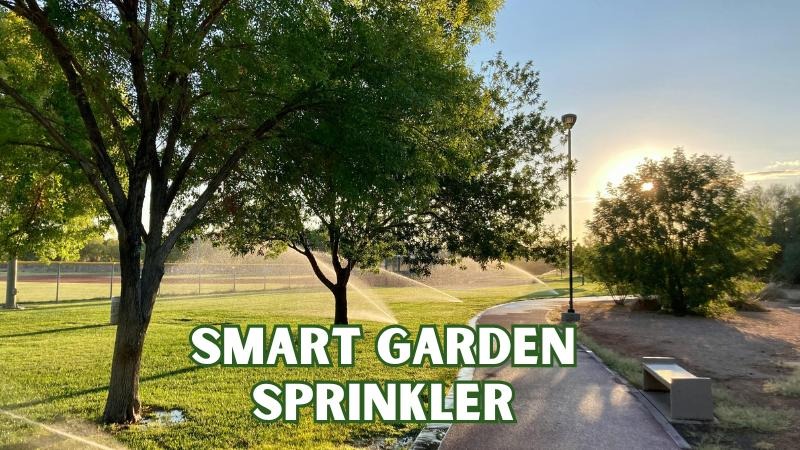
What Exactly Is a Smart Garden Sprinkler and Why Does It Matter?
A smart garden sprinkler is a digitally controlled watering device that connects to the internet and uses environmental data to manage your irrigation automatically. Instead of relying on a fixed schedule, it pulls information from soil probes, weather stations, and cloud platforms to determine when and how much water your plants actually need. This makes it fundamentally different from any traditional setup.
The reason it matters is simple. Water waste is a growing concern worldwide, and most conventional systems overwater by default. When you combine a smart garden sprinkler with AI powered soil analytics, you create a setup that responds to your garden’s real needs rather than guessing based on a calendar.
How Soil Based Intelligence Changed Irrigation Forever
For decades, irrigation relied on timers and manual observation. Farmers and gardeners would set a schedule and hope for the best. The introduction of real time soil moisture monitoring changed that entirely by allowing systems to measure what is happening underground before making any watering decision.
This shift began around 2016 when residential Wi-Fi connected irrigation controller units started appearing on the market. These devices allowed homeowners to connect their sprinklers to apps and receive live data about soil conditions, weather patterns, and water usage. Since then, the technology has only gotten smarter, incorporating machine learning and predictive algorithms that improve accuracy over time.
The Role of AI Powered Soil Analytics in Modern Irrigation
AI powered soil analytics takes traditional sensor readings and processes them through algorithms that identify patterns in moisture depletion, temperature fluctuation, and plant water uptake. Rather than reacting to current conditions alone, the system begins predicting future needs based on weeks of accumulated data.
In my own setup, I noticed the AI adjusting watering times within the first three weeks. It learned that my raised vegetable beds dried out faster than the flower section near the fence. This kind of adaptive behavior is impossible with a basic timer and is one of the core reasons I upgraded my smart garden sprinkler in the first place.
Why Multi Zone Control Is Essential
Not every section of your garden has the same watering requirements. Sun exposure, soil type, and plant variety all influence how quickly moisture evaporates. Multi zone drip irrigation solves this by dividing your garden into independent sections, each controlled separately by the main unit.
When I configured my system, I created four distinct zones. The herb garden near the kitchen window needed light frequent watering, while the lawn section required deeper less frequent cycles. The smart garden sprinkler handled each zone independently without any overlap or waste, which was something I could never achieve manually.
Key Benefits I Experienced After Upgrading
After running my upgraded system for a full growing season, several advantages became obvious. These are the most significant improvements I personally measured and observed.
- Real time soil moisture monitoring prevented overwatering in clay heavy zones where water retention was already high, saving roughly twenty five percent on my monthly bill.
- Automated weather based scheduling skipped watering cycles before rainstorms, which eliminated the frustration of watching sprinklers run during a downpour.
- Multi zone drip irrigation allowed each garden section to receive customized water volumes based on specific plant requirements and sun exposure.
- The Wi-Fi connected irrigation controller gave me full remote access through my phone, letting me adjust settings while traveling without asking anyone for help.
- AI powered soil analytics tracked seasonal patterns and automatically shifted watering frequency as temperatures changed from spring to summer.

Challenges I Faced During Installation and Configuration
No upgrade comes without a few headaches. The most frustrating part of my experience was getting the soil sensors to communicate reliably with the main controller. My garden is about thirty meters from the router, and the signal dropped frequently during the first week.
Troubleshooting Connectivity and Sensor Placement
I solved the connectivity problem by adding a mesh Wi-Fi extender near the back door. This stabilized the connection and allowed the smart garden sprinkler to receive uninterrupted data from all four zone sensors. Placement also mattered more than I expected. Burying sensors too deep gave inaccurate readings, while placing them too shallow made them vulnerable to direct sunlight interference.
Another challenge was compatibility. Not every real time soil moisture monitoring sensor works with every controller brand. I had to return my first set of probes because they operated on a different wireless frequency than my Wi-Fi connected irrigation controller. Checking specifications before purchasing would have saved me both time and money.
How Automated Weather Based Scheduling Completes the Setup
The final piece of my configuration was linking the system to a local weather service for automated weather based scheduling. This gave the smart garden sprinkler access to hyperlocal forecast data instead of generic regional predictions. Combined with AI powered soil analytics, the system now anticipates conditions before they arrive and adjusts watering plans accordingly.
After six months of running this setup, my smart garden sprinkler operates almost entirely on its own. The garden has never looked healthier, and I spend a fraction of the time I used to managing irrigation manually. Multi zone drip irrigation paired with predictive intelligence turned what was once a daily chore into something I rarely think about anymore.
Conclusion:
Upgrading my smart garden sprinkler with AI powered soil analytics was the single best decision I made for my garden this year. From real time soil moisture monitoring that prevented overwatering to automated weather based scheduling that skipped unnecessary cycles, every component worked seamlessly together. The addition of multi zone drip irrigation ensured each section received exactly the right amount of water without any manual guessing. Pairing a Wi-Fi connected irrigation controller with intelligent sensors gave me full remote control and seasonal adaptability that I never had before. If you want a smarter and more efficient garden, investing in a smart garden sprinkler is absolutely worth every penny spent.