Practicing organic farming in balcony spaces revolutionizes urban food production by eliminating chemical pesticides and synthetic fertilizers entirely from your growing environment. City dwellers worldwide are discovering that small elevated spaces harbor extraordinary potential for cultivating nutritious chemical free produce without traditional farmland requirements.
This comprehensive guide examines scientifically validated approaches to balcony organic gardening that maximize yields using natural cultivation principles exclusively. You’ll explore how chemical free urban farming techniques integrate with sustainable balcony agriculture practices to produce abundant healthy harvests. We investigate natural pest management strategies alongside organic container growing methods backed by agroecological research.
Whether you’re cultivating herbs on a compact railing or managing a full balcony permaculture system, this expert resource delivers precision protocols for transforming your outdoor space into a thriving organic food production zone.
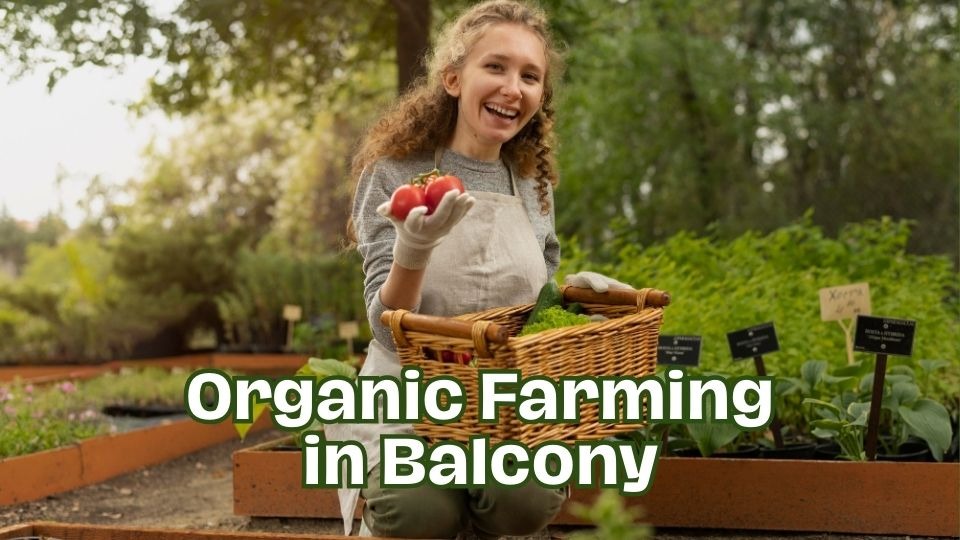
Defining Organic Farming in Balcony Environments
Organic farming in balcony settings refers to cultivating edible plants using exclusively natural inputs without synthetic chemicals, artificial fertilizers, or genetically modified organisms. This chemical free urban farming approach relies on composted organic matter, beneficial insects, and natural amendments to nourish plants and protect against pests.
Unlike conventional growing methods that depend on manufactured products, balcony organic gardening builds healthy soil ecosystems that sustain plant productivity naturally over multiple growing seasons. Understanding these foundational principles transforms ordinary balcony spaces into productive organic food sources.
Historical Roots of Urban Organic Cultivation
Organic farming principles originated during the 1940s when agricultural pioneers questioned industrial chemical dependency in food production. Sir Albert Howard and Lady Eve Balfour championed natural cultivation methods that respected soil biology and ecological balance.
Urban applications of organic farming in balcony spaces emerged during the 1970s environmental movement when city residents began questioning commercially grown produce quality. These early sustainable balcony agriculture practitioners demonstrated that chemical free growing remained achievable within extremely confined urban environments successfully.
Essential Components for Balcony Organic Setup
Organic farming in balcony environments requires specific materials that support natural growing principles exclusively. Organic container growing demands certified organic potting soil, natural compost, untreated wooden or fabric containers, and chemical free seed varieties from reputable suppliers.
Selecting appropriate containers involves considering weight restrictions that most balcony structures impose. Lightweight fabric grow bags and recycled food grade containers provide excellent options for establishing productive balcony organic gardening systems without exceeding structural limitations.
Creating Organic Soil Amendments Naturally
Vermicomposting using red wiggler worms transforms kitchen scraps into nutrient rich organic fertilizer directly on your balcony. This closed loop system eliminates dependency on store purchased amendments while reducing household waste simultaneously.
Compost tea brewed from mature compost provides liquid nutrition that feeds plants through foliar application and root drenching techniques. Organic farming in balcony settings benefits tremendously from these homemade amendments that cost virtually nothing to produce consistently.
Remarkable Benefits of Balcony Organic Growing
Organic farming in balcony spaces delivers extensive advantages that positively impact personal health, environmental sustainability, and household economics simultaneously. Chemical free urban farming ensures your family consumes produce entirely free from pesticide residues and synthetic chemical contamination.
Consider these documented benefits of balcony organic cultivation:
- Pesticide free harvests protect family health by eliminating exposure to potentially harmful synthetic chemicals that accumulate within commercially grown vegetables sold at conventional grocery stores regularly.
- Soil biodiversity flourishes when natural amendments replace chemical fertilizers creating thriving microorganism communities that strengthen plant immune systems and nutrient uptake capabilities naturally.
- Environmental footprint decreases significantly as organic container growing eliminates packaging waste, transportation emissions, and industrial agricultural pollution associated with conventional produce distribution systems entirely.
- Financial savings accumulate steadily because homegrown organic vegetables eliminate premium pricing that retail stores charge for certified organic produce throughout every growing season consistently.
- Biodiversity support increases when balcony permaculture system designs incorporate flowering plants that attract beneficial pollinators and predatory insects supporting broader urban ecological health.
Selecting Vegetables for Organic Balcony Growing
Organic farming in balcony environments succeeds best with vegetable varieties naturally resistant to common pests and diseases. Choosing resilient cultivars reduces intervention requirements while maintaining purely natural growing protocols throughout production cycles.
Cherry tomatoes, leafy greens, radishes, and bush beans represent excellent starter crops for beginning balcony organic gardening practitioners. These vegetables mature quickly and tolerate container conditions remarkably well without requiring extensive natural pest management interventions.
Companion Planting Strategies
Pairing compatible vegetables within shared containers creates natural pest deterrence through biological interactions that eliminate chemical intervention necessity. Basil planted alongside tomatoes repels aphids while marigolds deter harmful nematodes organically.
Sustainable balcony agriculture leverages these ancient companion planting techniques to maintain garden health without compromising organic integrity. Strategic plant combinations maximize limited space while supporting natural ecosystem balance effectively.

Overcoming Challenges in Organic Balcony Farming
Organic farming in balcony spaces presents unique difficulties that conventional chemical dependent methods seemingly solve more easily. Pest management without synthetic pesticides demands patience, knowledge, and consistent monitoring to maintain healthy productive plants.
Limited growing space restricts crop rotation possibilities that ground based organic farmers use for disease prevention naturally. Balcony permaculture system designs must incorporate creative solutions for maintaining soil health within permanent container arrangements.
Natural Pest Management Solutions
Neem oil spray provides effective organic insect control without introducing synthetic chemicals into your growing environment. Handpicking larger pests and introducing beneficial ladybugs offers additional natural pest management approaches that maintain organic certification standards.
Organic farming in balcony environments requires accepting minor cosmetic imperfections in harvested produce while prioritizing nutritional quality over visual perfection. This mindset shift distinguishes successful organic growers from those abandoning natural methods prematurely. Chemical free urban farming combined with proper organic container growing techniques and consistent sustainable balcony agriculture practices ensures organic farming in balcony spaces produces abundant healthy harvests throughout every growing season regardless of spatial limitations.
Conclusion:
Embracing organic farming in balcony spaces empowers urban residents to produce genuinely chemical free food within arm’s reach. Throughout this guide, we explored how balcony organic gardening succeeds through organic soil preparation, natural amendments, companion planting, and chemical free urban farming techniques.
Your sustainable balcony agriculture journey transforms confined outdoor spaces into productive organic food sources delivering pesticide free harvests consistently. Understanding natural pest management principles and implementing organic container growing methods ensures abundant yields without compromising environmental values.
Begin with resilient starter vegetables, build healthy soil naturally, and commit to purely organic farming in balcony practices faithfully. Apply these precision agroecology protocols consistently, and your balcony becomes a thriving chemical free harvest zone.