Selecting the best LED grow lights for starting seeds determines whether your indoor gardening journey begins with vigorous healthy seedlings or disappointing leggy failures. That confusion about wattage, spectrum, and technical specifications ends when you understand the science behind effective grow light technology.
This comprehensive guide explores PAR ratings, PPFD measurements, and light spectrum analysis that separate exceptional grow lights from underperforming options. You will discover how full spectrum technology delivers the precise wavelengths seedlings require during critical germination stages for accelerated growth.
We examine energy efficiency comparisons, optimal hanging heights, and photoperiod requirements ensuring your seeds develop into stocky transplant-ready plants. From understanding photosynthetically active radiation to calculating light coverage for different tray sizes, these proven methods identify best LED grow lights for starting seeds matching your specific indoor growing needs and budget requirements perfectly.
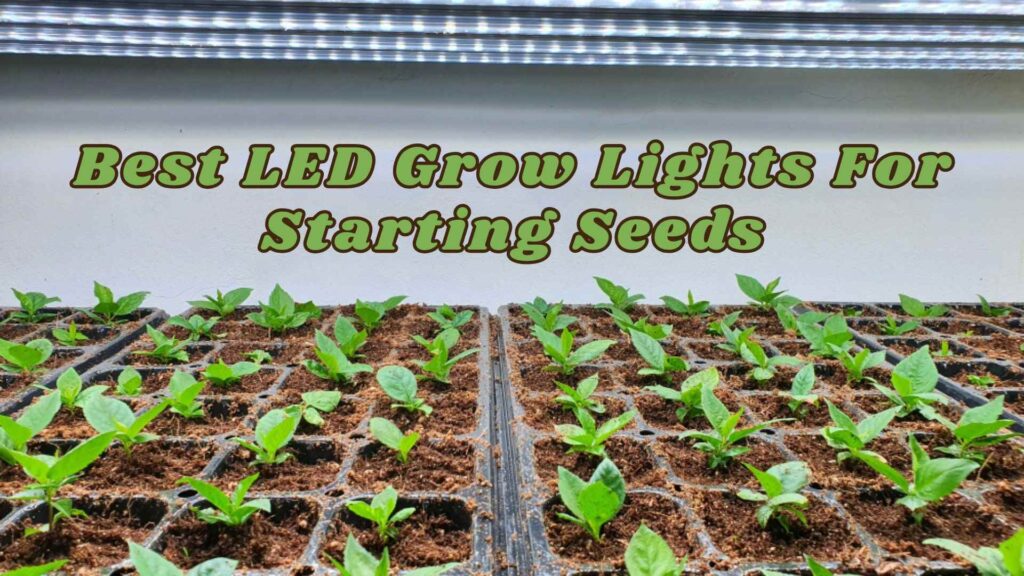
Understanding Light Science for Seed Starting Success
Successful seed germination requires specific light wavelengths that trigger photosynthetic processes essential for healthy seedling development. LED technology revolutionized indoor growing by delivering precise light spectrum combinations that match natural sunlight requirements efficiently. Understanding best LED grow lights for starting seeds begins with recognizing how light energy drives plant cellular growth.
Related Article: Seed Preservation: Safeguarding the Future of Biodiversity
Photosynthetically active radiation describes the light wavelengths between 400 and 700 nanometers that plants utilize for photosynthesis. PAR ratings measure this usable light output providing meaningful comparisons between different grow light options available. Higher PAR values indicate more plant-usable light reaching your seedling trays effectively.
Modern full spectrum technology combines multiple LED diodes producing balanced wavelength combinations supporting all germination stages comprehensively. This advancement eliminated the harsh pink glow of older models creating more pleasant growing environments.
Decoding PAR Ratings and PPFD Measurements
PAR ratings and PPFD measurements provide scientific metrics for evaluating grow light performance accurately beyond misleading wattage claims. PPFD measures photosynthetic photon flux density indicating how many light particles reach plant surfaces per second. Selecting the best LED grow lights for starting seeds requires understanding these technical specifications thoroughly.
Seedlings require PPFD levels between 100 and 300 micromoles for optimal growth without light stress damage occurring. Higher PPFD values benefit mature vegetable plants but can overwhelm delicate newly germinated seedlings causing bleaching. Adjustable height mounting allows PPFD optimization as plants develop through various growth stages.
Light coverage maps show PPFD distribution across growing areas revealing potential weak spots and hot zones. Quality manufacturers provide these maps helping consumers understand actual performance beyond center point measurements alone.
Light Spectrum Requirements for Germination Stages
Different growth phases require specific light spectrum combinations for optimal plant development and health maintenance. Blue wavelengths between 400 and 500 nanometers promote compact sturdy growth preventing leggy stretched seedlings. Understanding best LED grow lights for starting seeds includes matching spectrum output to developmental requirements.
Red wavelengths between 600 and 700 nanometers drive photosynthesis efficiency and eventual flowering responses in plants. Balanced full spectrum technology incorporating both ranges supports complete seedling development from germination through transplanting stages successfully.
Essential spectrum considerations include these important wavelength factors:
- Blue light promotes chlorophyll absorption encouraging thick stems and healthy leaf development
- Red light maximizes photosynthesis efficiency accelerating overall growth rates significantly
- White light combinations create balanced spectrum mimicking natural sunlight conditions effectively
- Far red wavelengths influence stem elongation and germination responses in certain species
- UV light in small amounts strengthens seedlings preparing them for outdoor transplanting conditions
These spectrum elements combine creating optimal growing conditions for indoor seed starting success.
Energy Efficiency and Operating Cost Analysis
LED technology delivers superior energy efficiency compared to fluorescent and HID alternatives reducing electricity costs dramatically. Modern grow lights convert higher percentages of electrical input into usable plant light with minimal heat waste. Evaluating best LED grow lights for starting seeds includes calculating long term operating expenses.
Wattage ratings indicate electrical consumption but don’t reflect actual light output efficiency accurately alone. Efficacy ratings measuring micromoles per joule provide better efficiency comparisons between different models objectively.
Heat Output Considerations
Lower heat generation allows positioning lights closer to seedlings without temperature damage risks occurring. Reduced cooling requirements further decrease overall energy consumption and operating costs substantially. Best LED grow lights for starting seeds produce minimal heat enabling optimal placement distances.
Some heat benefits seedling trays by warming soil slightly during germination phases accelerating sprouting rates naturally. Finding balance between light intensity and appropriate heat levels optimizes growing conditions perfectly.
Lifespan and Replacement Costs
Quality LED grow lights last 50000 hours or more before significant output degradation occurs affecting performance. This longevity dramatically reduces replacement frequency compared to fluorescent bulbs requiring annual changes typically. Higher initial investment recovers through extended operational lifespan and energy savings combined.
Optimal Hanging Heights and Light Coverage
Proper positioning ensures adequate light coverage while preventing intensity damage to delicate seedling tissues. Manufacturer recommendations provide starting points but observation and adjustment optimize results for specific conditions. Understanding the best LED grow lights for starting seeds includes mastering proper installation techniques.
Start lights 24 to 36 inches above soil surface lowering gradually as seedlings establish stronger root systems. Monitor plants for light stress symptoms including leaf curling, bleaching, or excessive stretching indicating adjustment needs.
Light coverage determines how many seedling trays single fixtures adequately illuminate for uniform growth. Larger coverage areas require higher wattage units or multiple fixture installations spaced appropriately for overlap.
Photoperiod Requirements for Healthy Seedlings
Photoperiod describes daily light duration cycles that influence plant growth patterns and development rates significantly. Most vegetable seedlings thrive with 14 to 16 hours of daily light exposure during early growth stages. Selecting best LED grow lights for starting seeds pairs with understanding proper lighting schedules.
Timer automation ensures consistent photoperiods without manual intervention preventing forgotten lights affecting growth rhythms. Programmable timers allow gradual transitions simulating natural daylight changes that some species prefer specifically.
Darkness periods remain essential allowing plants to process energy and complete cellular functions requiring rest. Continuous 24 hour lighting stresses seedlings reducing overall health and transplant survival rates ultimately.
Observing seedling responses guides photoperiod adjustments optimizing growth for your specific varieties and growing conditions. Different plant families may require slightly varied light durations for maximum germination and development success throughout the entire indoor growing process.
Conclusion:
Successful indoor seed starting depends on selecting appropriate lighting technology that delivers precise spectrum and intensity for germination stages. Choosing the best LED grow lights for starting seeds requires understanding PAR ratings, PPFD measurements, and full spectrum technology that accelerates healthy seedling development. By evaluating energy efficiency, proper light coverage, and optimal hanging heights, you create ideal growing environments producing stocky transplant-ready plants consistently. Remember that correct photoperiod schedules complement quality lighting ensuring vigorous growth throughout development. Invest in best LED grow lights for starting seeds that match your specific growing needs and budget for rewarding indoor gardening success every season.